
Last updated November 17, 2026
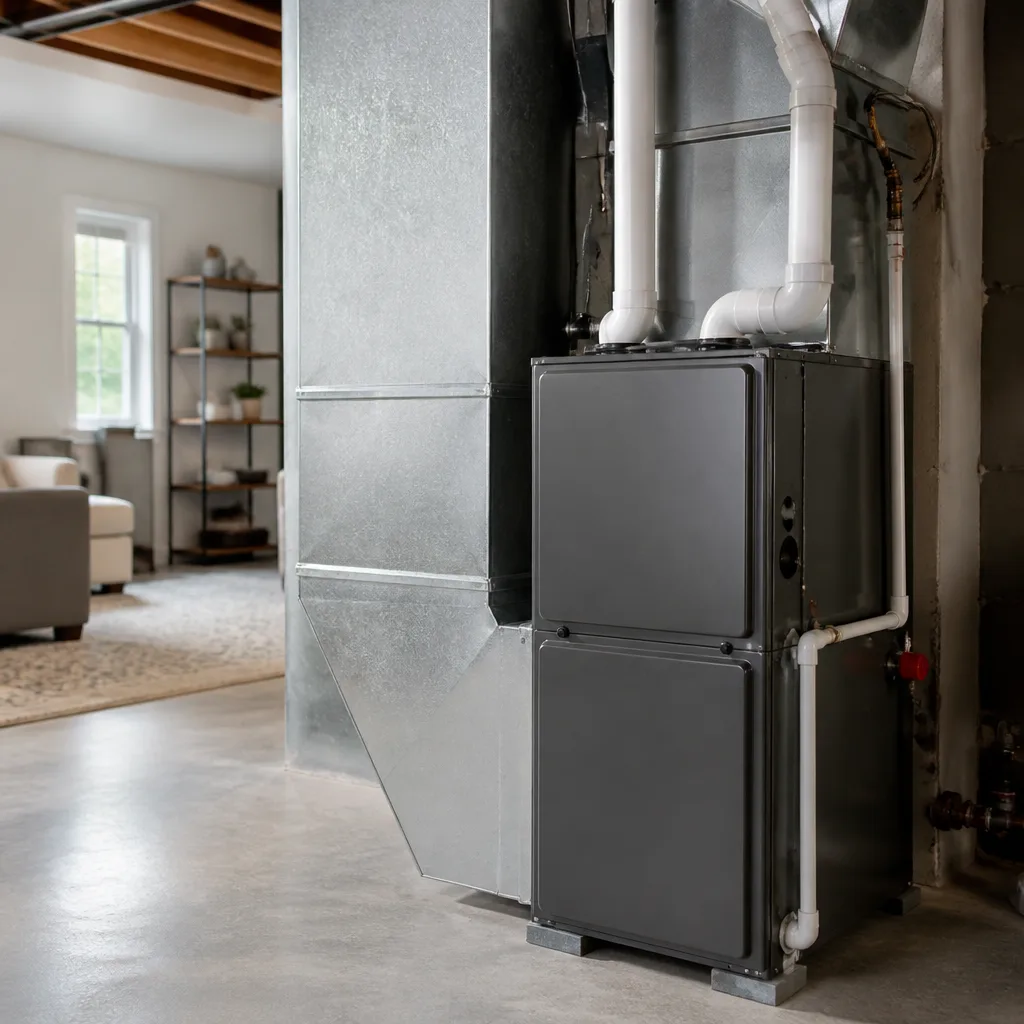 Furnace & heating
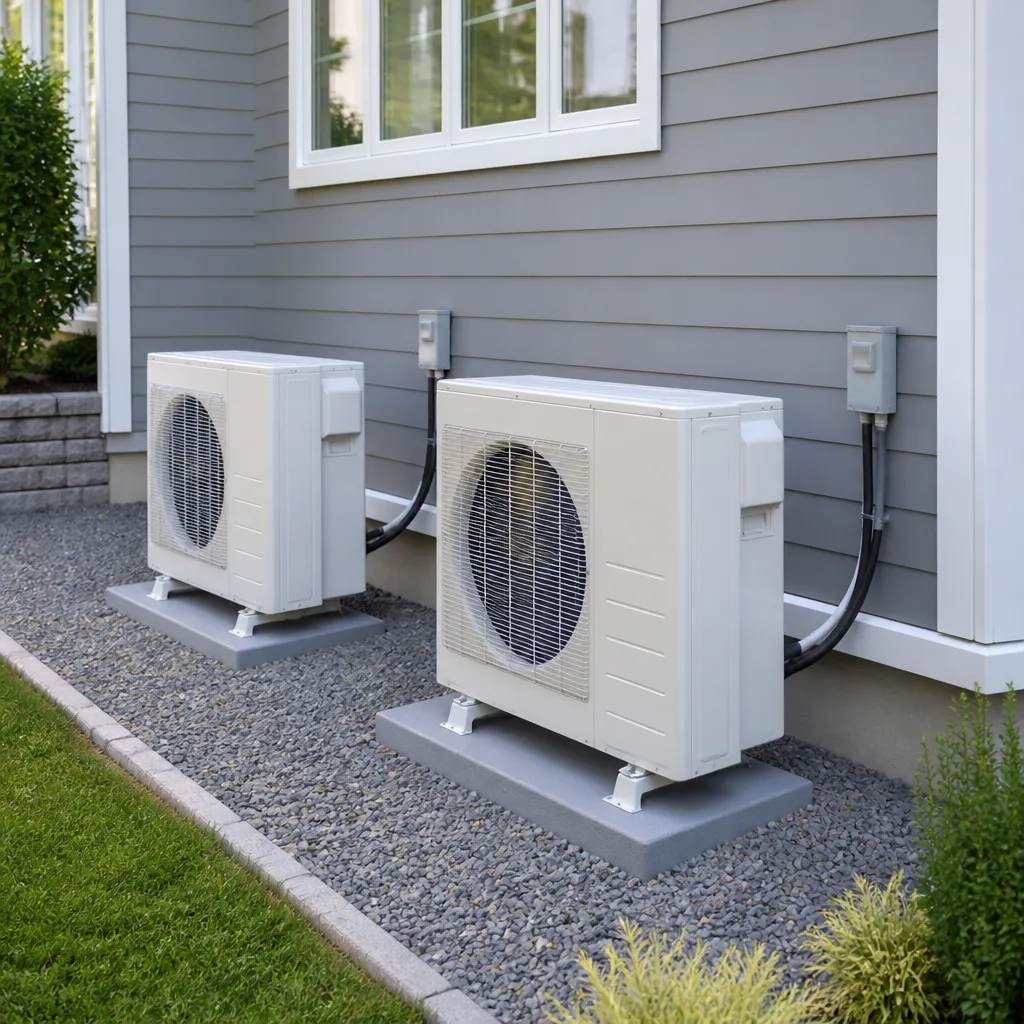 Heat pumps
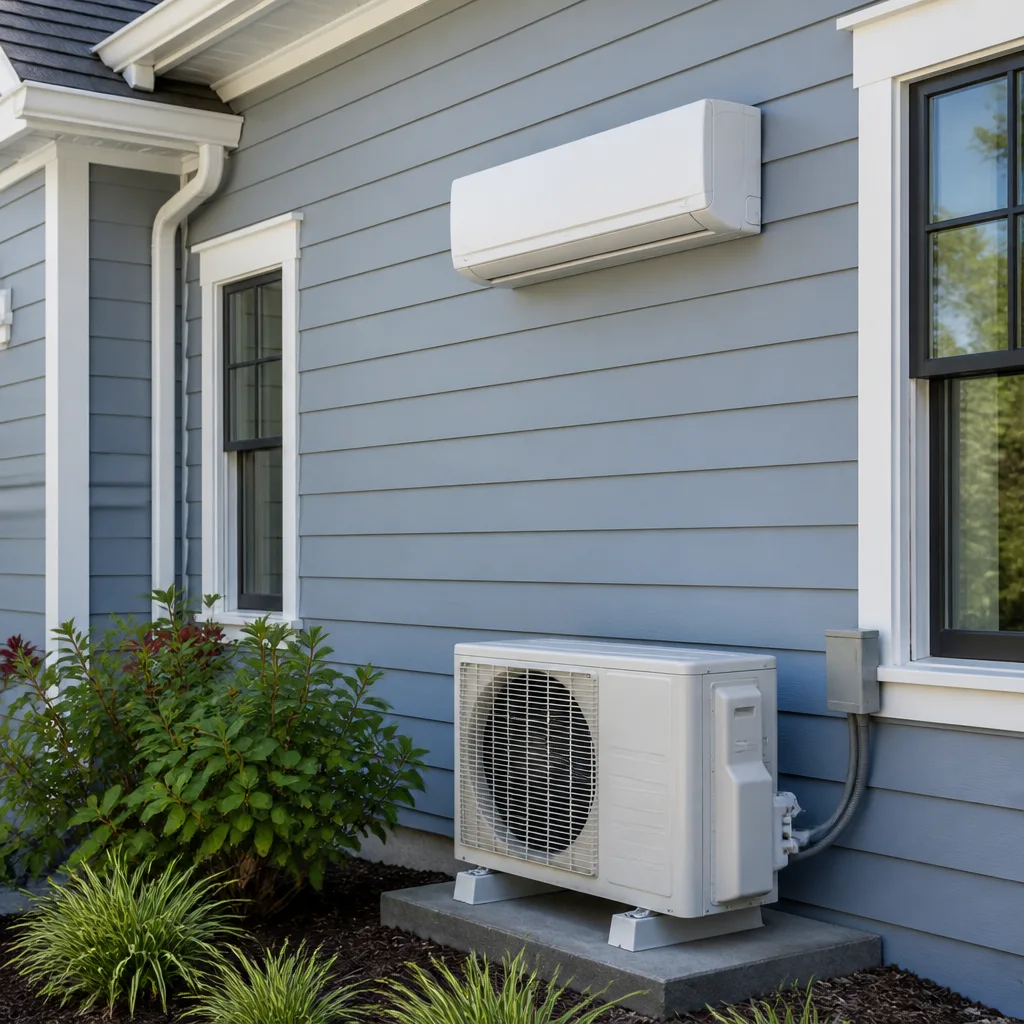 Ductless mini splits
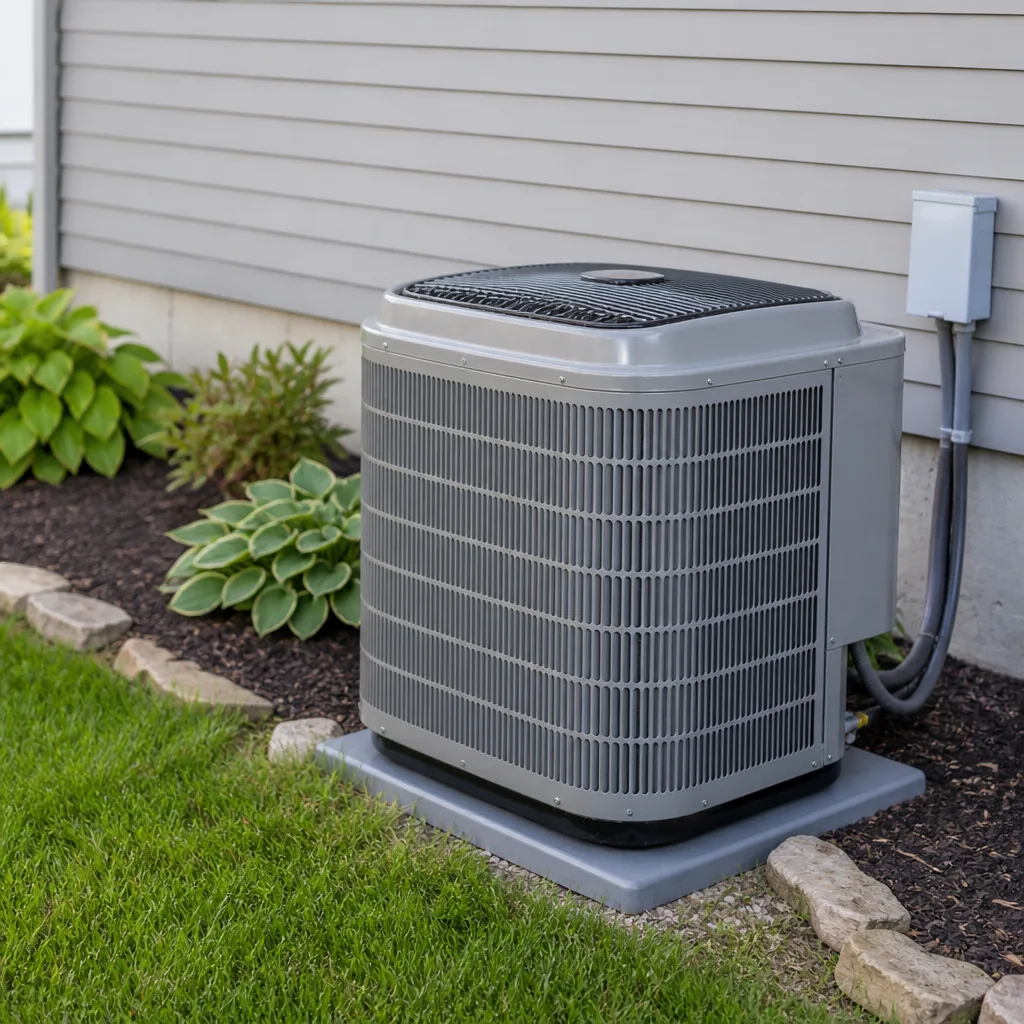 Carrier
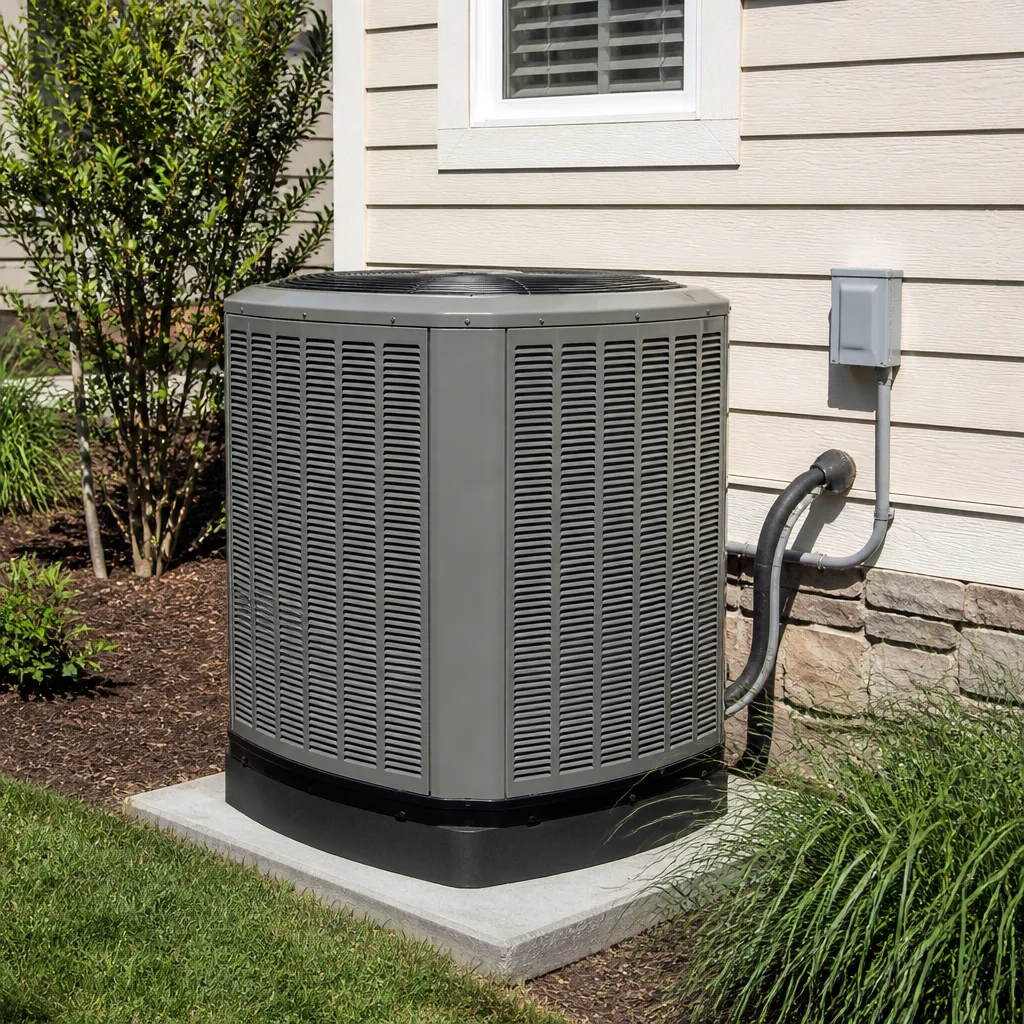 Trane
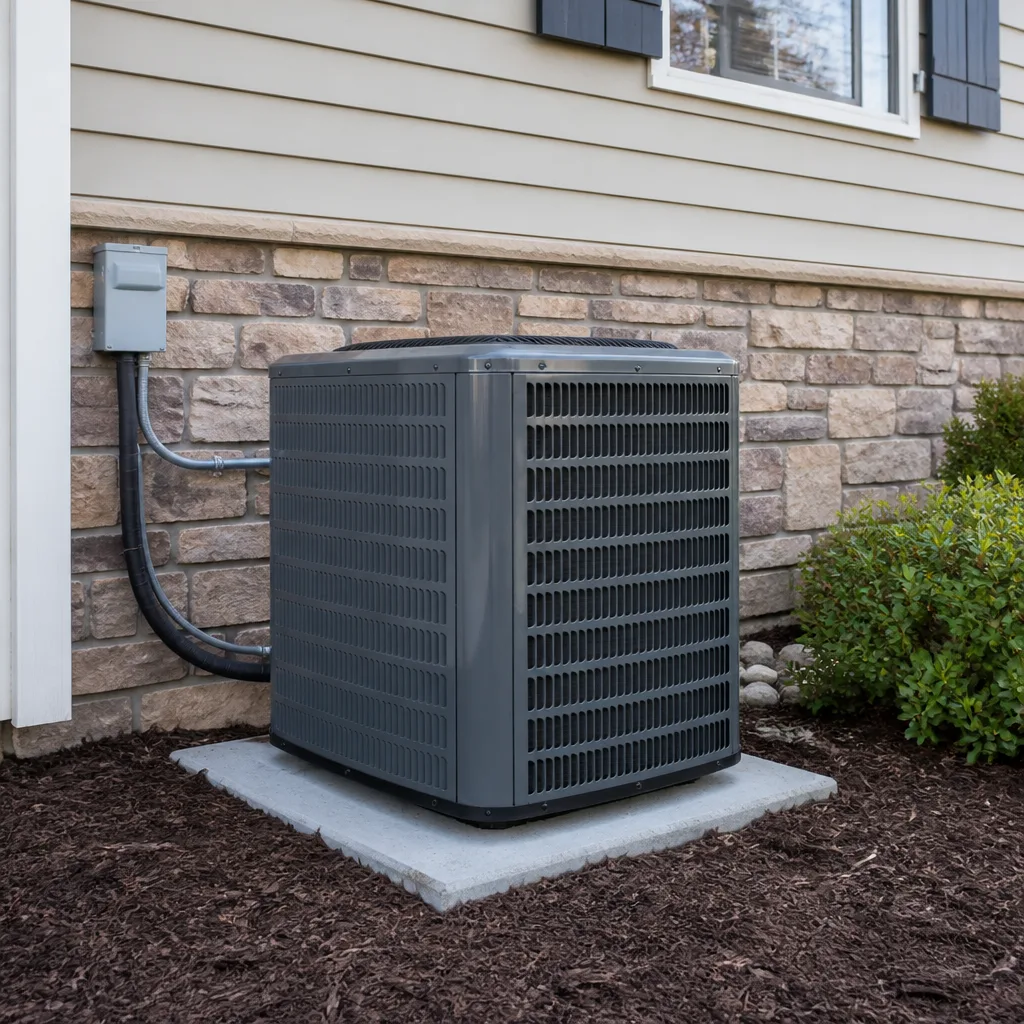 Goodman
Seasonal tune-up and full diagnostic on your Carrier, Trane, or Goodman system - readings shown to you before any repair is proposed
Diagnosis first, numbers second - you approve the repair price before a single part goes in.
Get your free estimateChoosing the Right HVAC Brand: A Buyer’s Guide for Mesquite
Most homeowners assume the brand with the highest SEER rating wins. In Mesquite, that assumption can cost you. Efficiency ratings are measured at 95°F, and Mesquite’s summer afternoons push well past that on a regular basis. Performance curves that look identical on a spec sheet start to separate at 110°F and above. A unit rated beautifully for a mild climate may throttle back sooner than a mid-tier model built to hold its capacity in real desert heat. This guide walks through what actually separates brands in Mesquite: high-ambient EER numbers, parts distribution reach, warranty terms that hold up in this climate, and tier selection that matches how long you plan to stay in your home. By the end you’ll know how to compare brands honestly, and why the installer’s familiarity matters as much as the badge on the cabinet.
Quick Answer
The right HVAC brand for a Mesquite home is the one whose high-ambient EER holds up past 110°F, whose parts are warehoused close enough to avoid multi-day repair delays, and whose warranty terms your installer will actually stand behind. For most Mesquite homeowners, a mid-tier system from a widely serviced brand (Trane, Lennox, Rheem, Goodman, or Carrier) delivers more real-world value than a premium top-of-line unit. Brand matters, but installer expertise and parts availability matter more.
Styles & brands we work with
- AC installation
- Furnace & heating
- Heat pumps
- Ductless mini splits
- Carrier
- Trane
- Goodman
Table of Contents
- Why SEER Alone Doesn’t Predict Mesquite Performance
- How to Read High-Ambient EER Ratings
- The Parts and Service Network Reality Check
- Warranty Terms That Actually Matter in Mesquite
- Why Technician Familiarity Is a Legitimate Selection Factor
- Mid-Tier vs. Premium vs. Builder-Grade: The Honest Case
- Local Factors Specific to Mesquite
- Common Mistakes to Avoid
Why SEER Alone Doesn’t Predict Mesquite Performance
SEER (Seasonal Energy Efficiency Ratio) is a single-number summary, and like most summaries it hides what matters. SEER is calculated using a weighted average of outdoor temperatures across a whole cooling season, and the testing standard assumes a moderate climate. Ratings are measured at an outdoor ambient of 95°F. In Mesquite, the afternoon high from June through September regularly clears 105°F, and stretches of 115°F are not unusual. That’s the temperature range where a system’s capacity, compressor behavior, and electrical draw start to diverge by brand in ways that SEER grading simply doesn’t capture.
What happens in practical terms: at 95°F, most modern units are operating at or near their rated capacity. At 115°F, a unit designed with a wider condenser coil and a more thermally robust compressor will hold more of its cooling capacity. A unit tuned aggressively for the 95°F benchmark may struggle to keep up in a Mesquite afternoon, cycling longer, drawing more current, and giving you a warmer house than expected from the rated tonnage.
Here’s the unglamorous truth about how that plays out in a Mesquite home:
- A house sized for a 3-ton unit that held 3 tons at 95°F may effectively deliver closer to 2.5 tons at 115°F in a poorly matched brand.
- Longer run cycles mean higher electricity bills even if the SEER on the label looks great.
- Homeowners often blame the contractor or the install, when the real issue is a brand whose compressor and condenser pairing isn’t optimized for sustained high-ambient operation.
SEER still matters, but on its own it’s an incomplete selection tool in a desert market. That’s why the next section is the one most buying guides skip.
How to Read High-Ambient EER Ratings
EER (Energy Efficiency Ratio) is measured at a fixed outdoor temperature instead of a seasonal average. Manufacturers publish EER at 95°F as a standard number, but the more useful figure for Mesquite is EER at higher ambient temperatures – typically cited at 115°F on the more thorough manufacturer spec sheets. This is the number that predicts how a unit will behave on a real August afternoon in Mesquite.
Here’s a step-by-step process for comparing brands on this metric:
- Request the full manufacturer spec sheet, not the marketing brochure. High-ambient EER is usually buried in the technical data pages.
- Find the EER value at 115°F for the specific model number in the tonnage you need, not the family average.
- Compare that high-ambient EER number across brands, keeping the tonnage and tier consistent. A mid-tier unit at 115°F should be compared only to other mid-tier units at the same tonnage.
- Check the compressor lockout temperature. Some brands will disengage the compressor at extreme outdoor temperatures to protect it, which means your house is relying on a backup strategy during the hottest part of the day.
- Ask your installer how each candidate brand actually behaves in high-ambient conditions in their experience.
What healthy numbers look like: a modest drop-off in EER as ambient rises is normal. A steep drop-off is a red flag. If a spec sheet doesn’t publish a 115°F EER figure at all, that’s worth asking about directly. Some brands are simply more transparent than others about high-ambient behavior, and the ones that publish the data usually have a reason to be proud of it.
In our experience servicing Mesquite homes, the brands that hold their numbers at high ambient tend to be the ones that also hold up on compressor longevity. That’s not a coincidence – the same design choices that keep the unit efficient at 115°F also keep the compressor from working at the edge of its envelope.
The Parts and Service Network Reality Check
Spec sheets don’t mention this, but it decides how long your AC stays broken. When a compressor, capacitor, control board, or blower motor fails, the repair timeline depends on how far the nearest part has to travel. Mesquite sits at the edge of the Las Vegas metro, and the distance from major parts distribution centers to your driveway varies dramatically by brand.
How this breaks down by brand category:
- Widely distributed brands (Carrier, Trane, Lennox, Rheem, Goodman, York, Bryant, American Standard) typically have parts available through regional HVAC supply houses serving the Las Vegas valley. Repair windows in Mesquite tend to be measured in hours to a day or two depending on the specific part.
- Narrower distribution brands or specialty high-efficiency lines can require multi-day shipping. For a homeowner with no cooling in July, that’s a serious practical problem.
- Budget brands with common parts sometimes surprise people positively, because their components are broadly shared and stocked widely.
Our technicians have up to 10 years of experience working on all nine of the major brands, and we see the parts delay issue play out in real time. A brand with fantastic specs but no parts warehouse within easy reach of Mesquite becomes a difficult system to own. Before you choose a brand, ask your installer three questions: where the nearest parts supply is, how long the typical part takes to arrive, and whether the manufacturer cross-ships from regional warehouses quickly.
It’s also worth noting that some parts are universal across many brands, so the parts question matters most for the brand-specific components: control boards, compressors, condenser coils, and variable-speed blower modules. Those are the parts where a distribution gap actually bites.
Warranty Terms That Actually Matter in Mesquite
Every manufacturer advertises a 10-year compressor warranty. What actually matters is quieter than the headline: whether labor is included, what voids the warranty, and whether registration is required on a strict timeline. Here’s the comparison homeowners should be making across Carrier, Trane, Lennox, Rheem, Goodman, and American Standard:
- Compressor coverage: Standard 10-year terms are common but the details differ. Some brands cover the compressor itself while excluding labor, refrigerant, and diagnostic time. Others include a limited labor allowance through the installing contractor.
- Labor inclusion: Most standard warranties don’t cover labor. Extended warranties and manufacturer-backed labor allowances do exist on premium tiers, and the value of that coverage in a desert climate (where the compressor works hard every year) is higher than in a milder region.
- Registration requirements: Nearly every brand requires registration within a set window of installation, usually between 60 and 90 days, to activate the full 10-year term. Miss the deadline and the warranty often drops to 5 years. This is a small administrative step with an outsized financial impact.
- Parts-only vs. comprehensive: Read what’s actually covered. Compressor, condenser coil, and control board coverage each vary. A system with great compressor coverage but weak coil coverage can leave you exposed, since desiccated coils and coils that fail from age are a real cost in any climate.
Our recommendation: don’t compare warranties from the marketing page. Ask for the actual warranty document and read section by section. What you’ll find is that the brands with the most generous transparency also tend to have the cleanest labor terms. And whatever brand you choose, register it correctly – that’s the single most common warranty failure we see among Mesquite homeowners.
Why Technician Familiarity Is a Legitimate Selection Factor
Here’s the part of brand selection that almost never makes a buying guide, and it should. The brand your technician has the most experience diagnosing and installing will produce shorter repair times, fewer callbacks, and less guesswork. That’s not a marketing claim – it’s how any skilled trade works. Familiarity with a specific brand’s control architecture, error codes, refrigerant charging behavior, and common failure patterns reduces diagnostic time from an hour to twenty minutes.
What this means practically in Mesquite:
- If a technician has worked on the same 40 Goodman systems in Mesquite, they know the failure patterns and can often diagnose over the phone before arriving with the right part.
- Callback rates drop when the installer has done the same brand’s install hundreds of times and knows the small quirks: line set routing, condenser mounting, and how the factory charge translates to real Mesquite conditions.
- When a rare failure happens, a technician familiar with a brand is more likely to have seen the specific fault before, and they know how the manufacturer’s technical support responds.
The other side of this: if you’re choosing between two brands that are close in specs and price, ask your installer which one they have more experience with. The honest answer is often the deciding factor. Our technicians have up to 10 years of experience and we work on all nine major brands – Carrier, Trane, Lennox, Goodman, Rheem, York, Daikin, Bryant, and American Standard – which means we can talk you through the tradeoffs for each one honestly.
The single point of contact is also a factor here. A specialist who sees your specific unit year after year, through maintenance visits and eventual repairs, builds up familiarity that a one-time installer can’t. That’s a real, measurable advantage whether you go with Trane, Lennox, Goodman, Rheem, or any of the others.
Mid-Tier vs. Premium vs. Builder-Grade: The Honest Case
Every manufacturer divides its lineup into tiers, and the honest answer for most Mesquite homeowners is: mid-tier usually delivers the best real-world value. Builder-grade systems are installed in thousands of new homes because they’re cheap at scale, but they’re built to a cost, not to endure. Premium systems add features (variable-speed compressors, modulating expansion valves, smart thermostat integration) that deliver comfort gains in milder climates but often show diminishing returns in Mesquite, where the system is running near maximum capacity during peak summer anyway. Mid-tier systems are usually the sweet spot: solid components, decent high-ambient performance, reasonable parts availability.
How to think about the choice by homeowner profile:
- Planning to sell within five years: Mid-tier is the right call. Premium features don’t recover their cost at resale, and builder-grade can be a red flag to inspectors and buyers.
- Long-term owner, moderate budget: Mid-tier with an upgraded condenser coil is the most defensible choice. You get better high-ambient performance without paying for variable-speed complexity you don’t need.
- Long-term owner, high budget, comfort-focused: Premium tier can make sense if you value quiet operation, tighter humidity control, and the warranty coverage that often comes with it. Understand that the efficiency gains are modest in Mesquite relative to the price jump.
- Rental property or quick turn: Builder-grade is defensible, but factor in the shorter service life and the higher probability of a mid-tenancy failure. The math often favors stepping up to mid-tier.
Local utility rates and typical tenure in Mesquite homes make this a real calculation, not a theoretical one. Mesquite’s electricity costs matter, and the return on high-efficiency tiers depends on how much of the year the system is running near capacity. For most homeowners here, the answer is “constantly,” which argues for solid mid-tier performance over speculative premium features.
Local Factors Specific to Mesquite
A few things about Mesquite’s climate and market deserve their own mention before you choose a brand. First, the summer heat isn’t a two-week event – it’s a sustained season that runs from May into October, which means the compressor sees far more peak-load hours per year than it would in most of the country. Second, the desert air is dry, which means cooling is the dominant load and humidity control is a minor factor. That’s different from a humid climate, where dehumidification features matter enough to justify a premium tier. In Mesquite, cooling capacity and compressor longevity matter more than humidity control.
What we recommend Mesquite homeowners check when narrowing brands:
- Whether the specific model’s high-ambient EER is published and competitive for the tonnage you need.
- Whether your installer has direct access to the manufacturer’s parts network through the Las Vegas metro supply chain.
- Whether the brand’s warranty terms are clean enough to survive a compressor failure in year seven or eight, when the system has already been through several hot seasons.
- Whether the brand’s typical compressor design is rated for sustained high-ambient operation.
One more factor: dust. Mesquite sits in a desert environment with windblown dust that affects condenser coils and air filters more than most climates. Brands with widely spaced condenser coil fins tend to foul less quickly, which affects long-term efficiency. That’s a physical design attribute worth asking about.
Learn more about our full scope of work across the Mesquite area, or read on for the mistakes that trip up most brand-selection buyers.
Common Mistakes to Avoid
- Buying on SEER alone. SEER is a season-average number that hides high-ambient divergence. Check the 115°F EER figure or you’re guessing.
- Picking a brand based on the manufacturer’s marketing website. The brochure is designed to sell the top-of-line model. Your installer’s experience with the brand in Mesquite conditions is more reliable than any marketing page.
- Choosing a brand whose parts aren’t accessible from the Las Vegas supply chain. A great spec sheet with a two-week parts delay is worse than a modest unit that repairs within a day.
- Forgetting to register the warranty on time. Nearly all manufacturers require registration within a set window to activate the full compressor coverage. Miss it, and you’re down to five years.
- Assuming premium tier always means better performance. Premium features add comfort in moderate climates; in Mesquite, mid-tier units often match them on real high-ambient performance while costing thousands less.
- Ignoring technician familiarity. A brand your installer knows cold produces fewer callbacks and shorter repair windows. This is a legitimate selection factor, not a sales tactic.
- Choosing based on which brand your neighbor has. Your neighbor’s house, load calculation, ductwork, and sun exposure are different from yours. Brand comparison should follow a proper load calculation, not a neighborhood survey.
See the difference
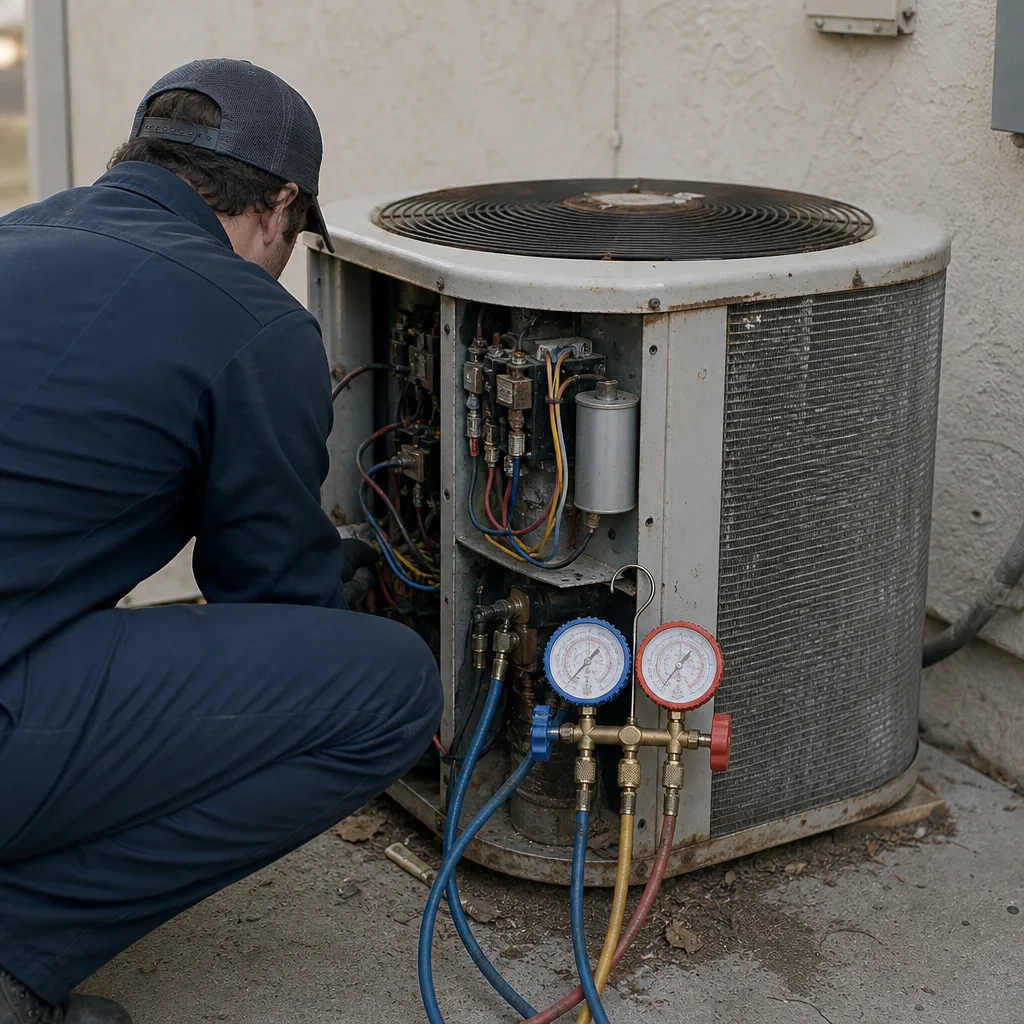 Before
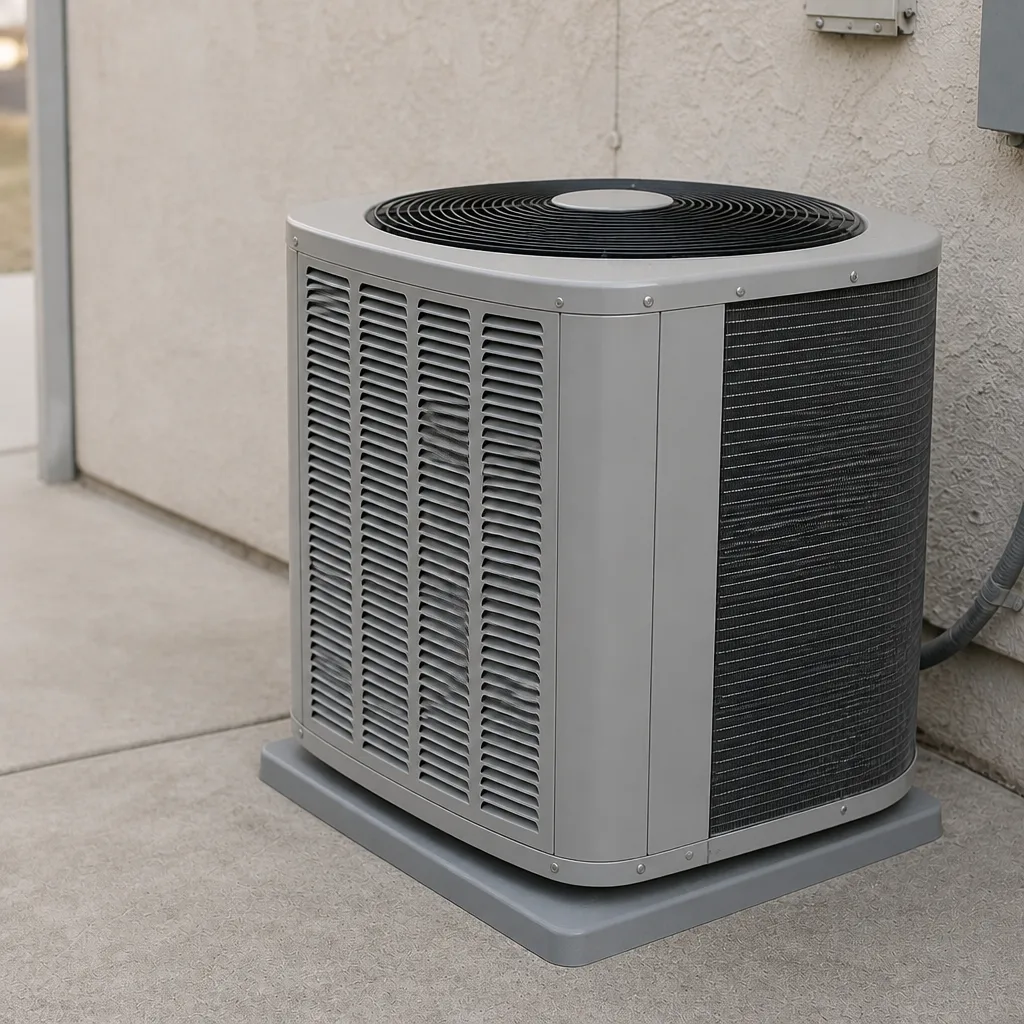 After
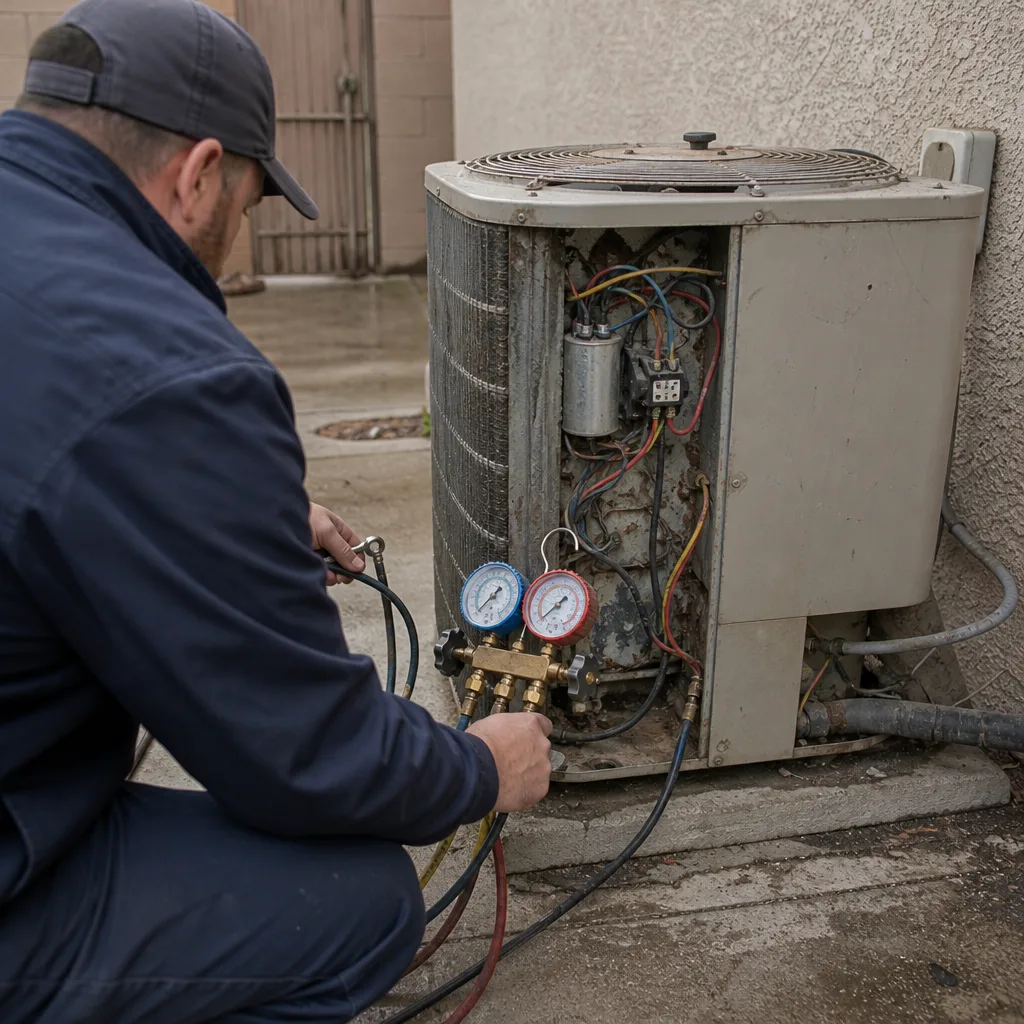 Before
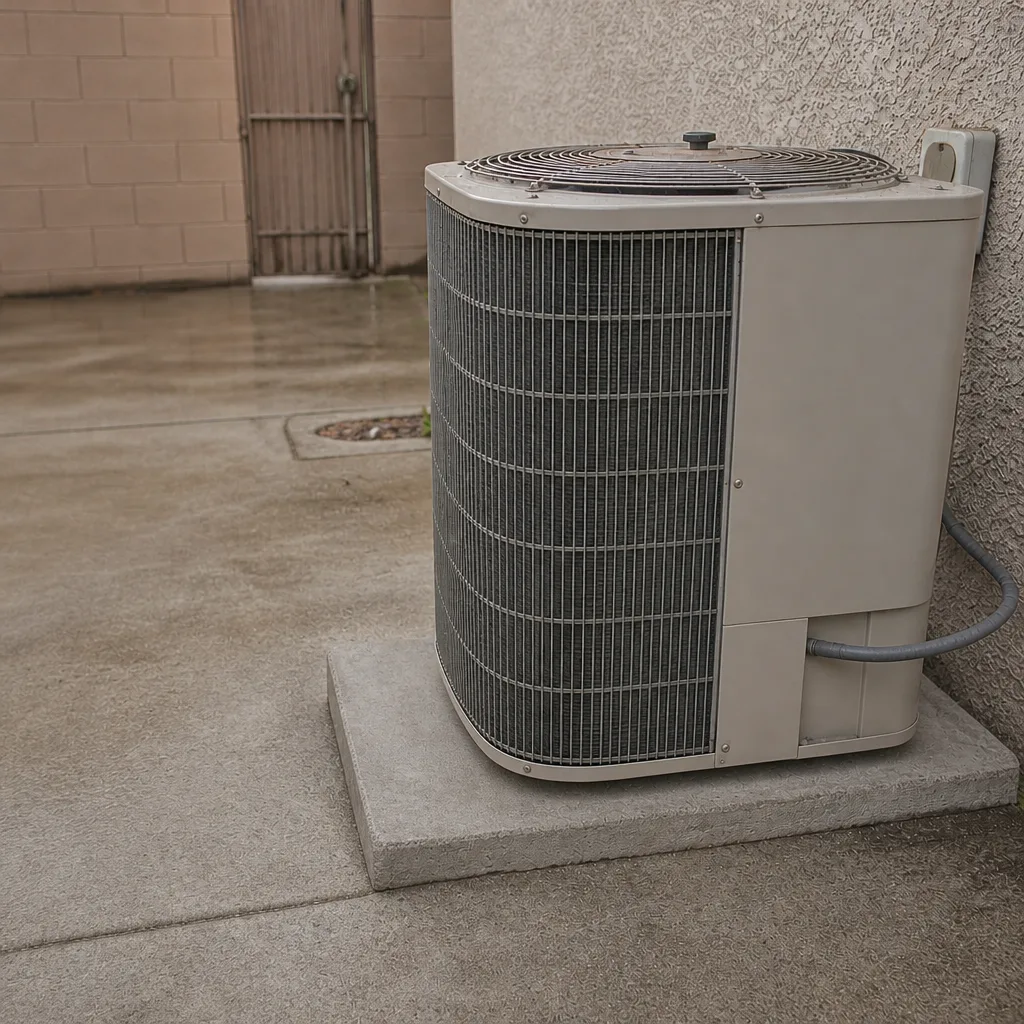 After
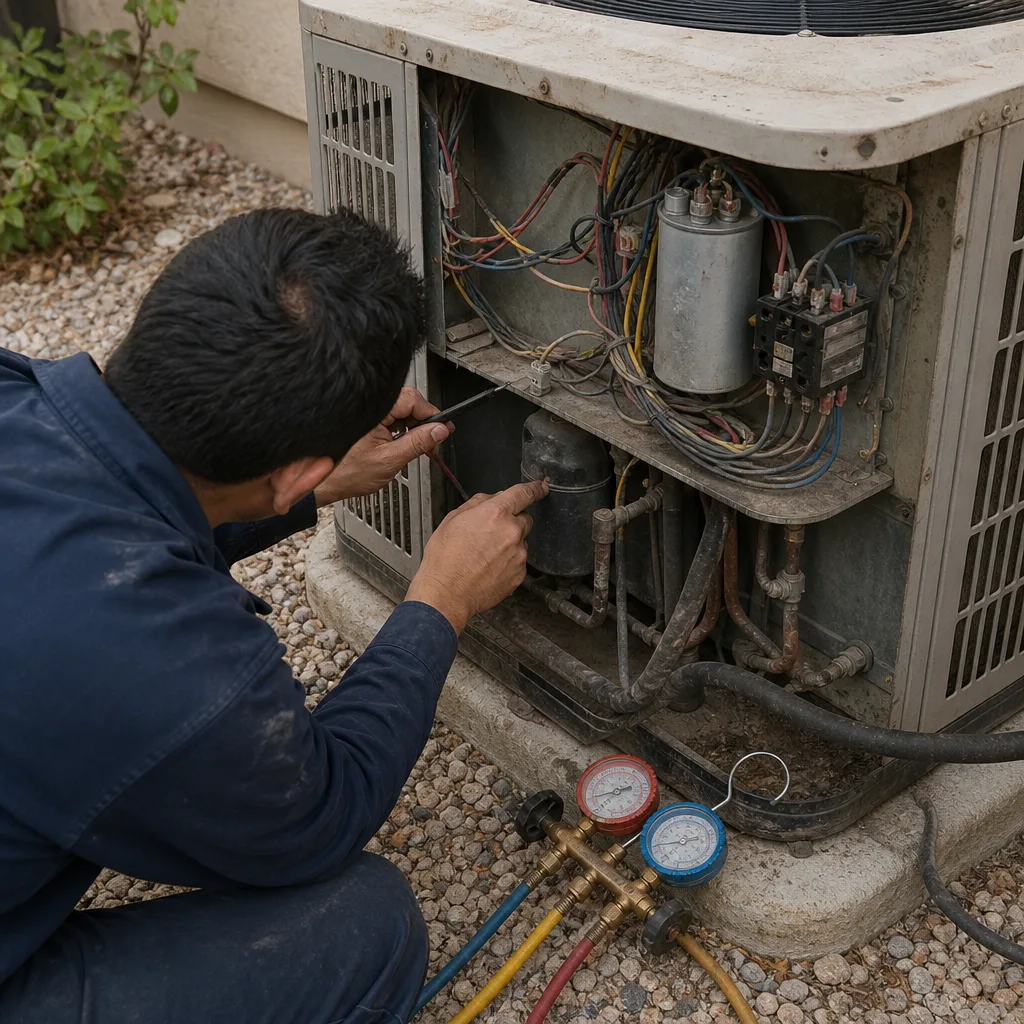 Before
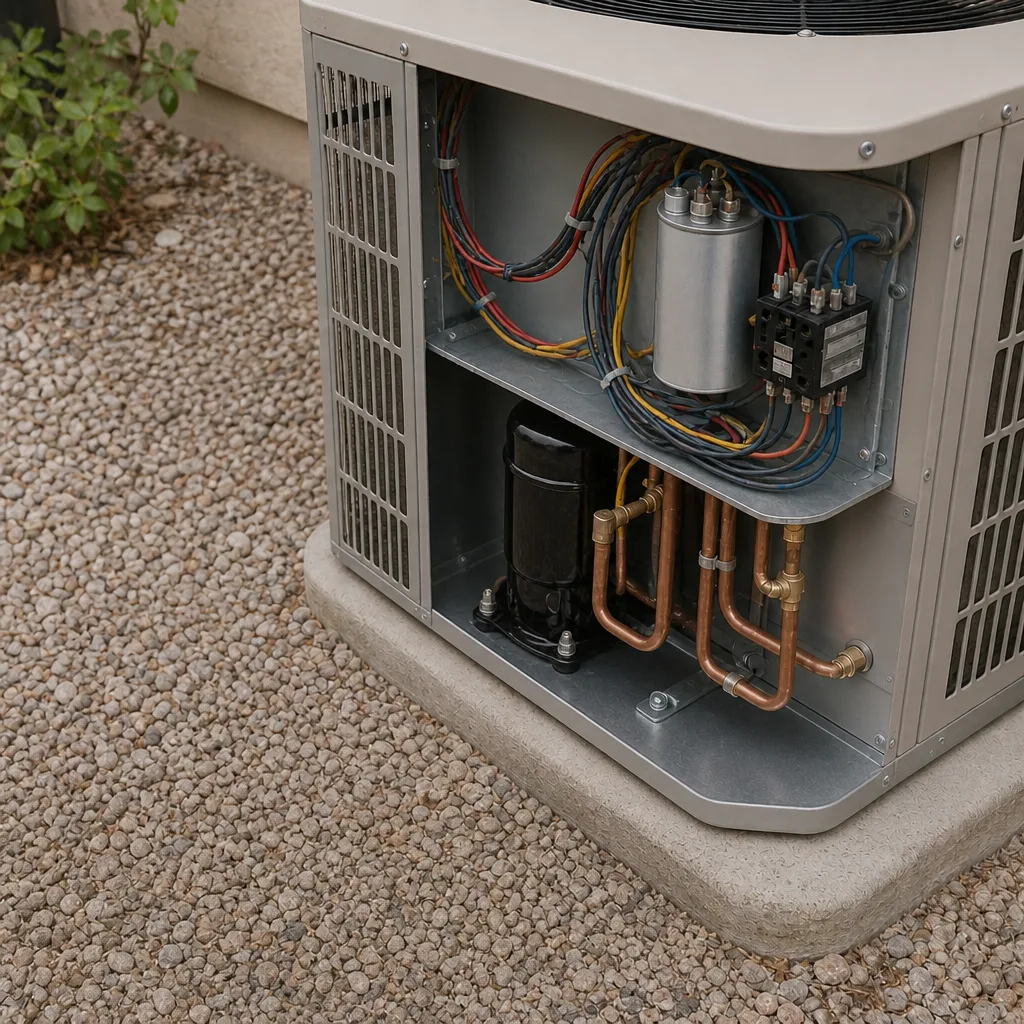 After
When to Call a Professional
You can compare spec sheets and warranty documents on your own, but the brand decision is only half the story. When you’re ready to move from comparison to a real recommendation, that conversation needs to happen on-site with a load calculation and an honest look at your ductwork, insulation, and window exposure. Call us before you commit to a brand if: your existing unit is over ten years old and you’re weighing ac replacement, your system is failing frequently enough that repair costs are adding up, or you’re trying to interpret warranty terms for a Mesquite install. AC Replacement Mesquite offers free estimates across Mesquite and the surrounding area. We work on all nine major brands, and we’ll tell you honestly which one fits your home and budget. Call (866) 764-5851. We answer 24/7. Fast dispatch from 7am to 7pm, Sunday through Friday.
Frequently Asked Questions
There’s no single best brand for Mesquite, but the strongest candidates for this climate are mid-tier systems from widely serviced manufacturers like Trane, Lennox, Rheem, Goodman, and Carrier, chosen for high-ambient EER performance, local parts availability, and clean warranty terms. The right choice depends on your specific tonnage, load calculation, and how long you plan to stay in the home. Call (866) 764-5851 for a free estimate – we’ll compare brands honestly.
No – above a certain tier the returns diminish in Mesquite’s climate. Higher SEER systems are more efficient at the standard 95°F test point, but they don’t automatically hold their efficiency at 115°F, and that’s where Mesquite summers actually live. Check the high-ambient EER figure for the specific model, not just the SEER headline. Call (866) 764-5851 with questions – estimates are free.
The major distribution brands – Carrier, Trane, Lennox, Rheem, Goodman, York, Daikin, Bryant, and American Standard – typically route parts through the Las Vegas metro supply chain, which keeps repair windows to hours or a few days depending on the specific part. Specialty lines and less-distributed brands can extend repair time to a week or more. Call us to talk through the specific brand you’re considering: (866) 764-5851.
Standard compressor coverage is usually 10 years when you register the unit within the manufacturer’s required window, which is typically 60 to 90 days after installation. Labor coverage varies widely. Registration is the single most important step, and it’s the one most homeowners miss. Ask your installer to confirm the registration was completed. For an exact comparison of brands, call (866) 764-5851 – estimates are free.
Often yes, and it’s a legitimate selection factor. Technician familiarity with a specific brand reduces diagnostic time, improves install quality, and lowers callback rates – all of which translate to real cost savings over the life of the system. A slightly lower spec sheet with an experienced installer usually beats a great spec sheet with an unfamiliar one. Call (866) 764-5851 and we’ll tell you honestly which brand we’d choose.
For most Mesquite homeowners, mid-tier is the better value. Premium tiers add features like variable-speed compressors and modulating valves that deliver real comfort gains in milder climates but often show modest returns in a desert climate where the system runs near full capacity through most of the summer. Premium tier can still make sense if you value quieter operation, tighter humidity control, and the warranty coverage that often comes with it. Get a free estimate to compare: (866) 764-5851.
The Bottom Line
Brand selection in Mesquite is a real decision, but it’s a decision about high-ambient EER, parts network proximity, warranty transparency, and technician familiarity – not about which badge wins a magazine award. Mid-tier systems from widely serviced brands like Trane, Lennox, Rheem, Goodman, or Carrier deliver the best real-world value for most Mesquite homes. Compare high-ambient EER figures instead of SEER alone, verify the parts supply chain through the Las Vegas metro, and register the warranty the day the install completes. Then confirm the installer’s experience with the brand you choose. If you’d like a straight, equipment-neutral comparison for your specific home, call AC Replacement Mesquite at (866) 764-5851 for a free estimate.
Learn more about what ac installation involves on a Mesquite home, and if a repair is the immediate need, our AC repair page covers the diagnostic process. We answer 24/7. Fast dispatch from 7am to 7pm, Sunday through Friday.
Written by the team at AC Replacement Mesquite.