
Last updated November 17, 2026
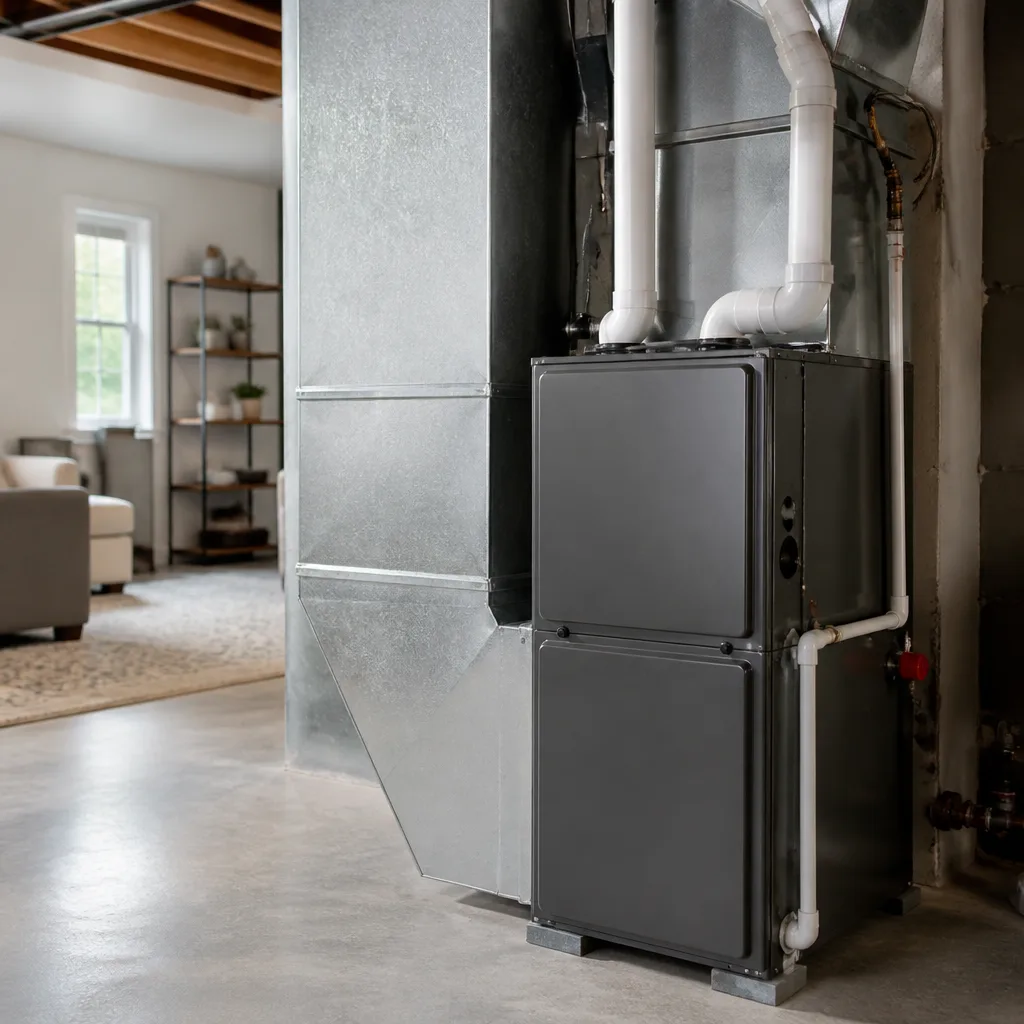 Furnace & heating
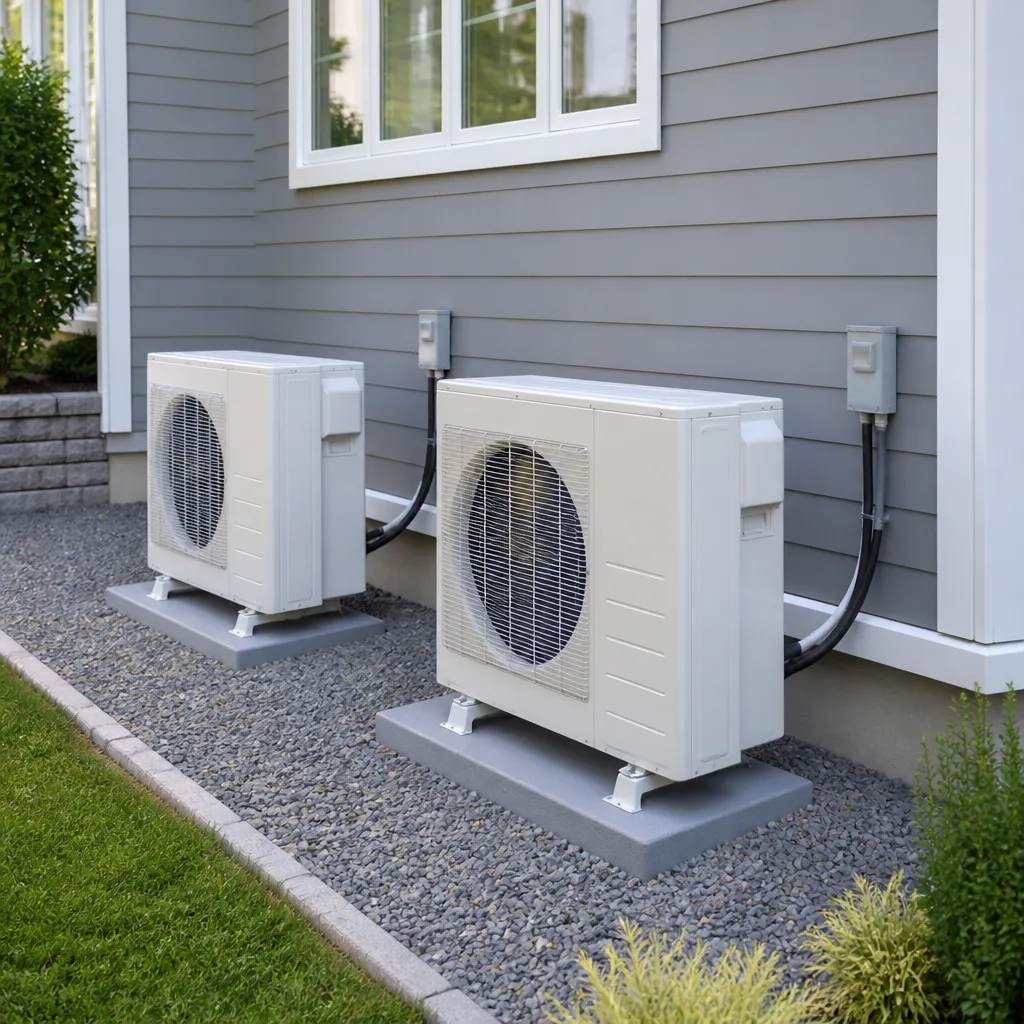 Heat pumps
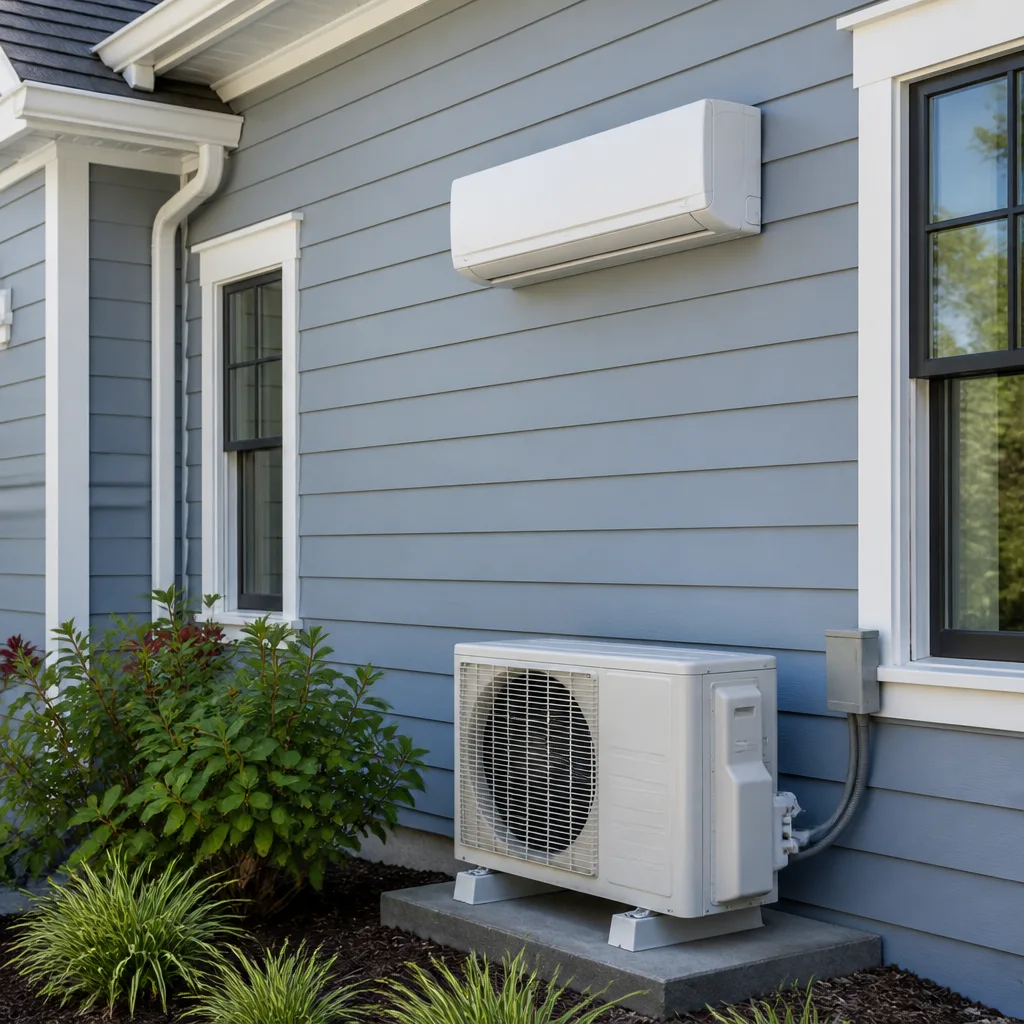 Ductless mini splits
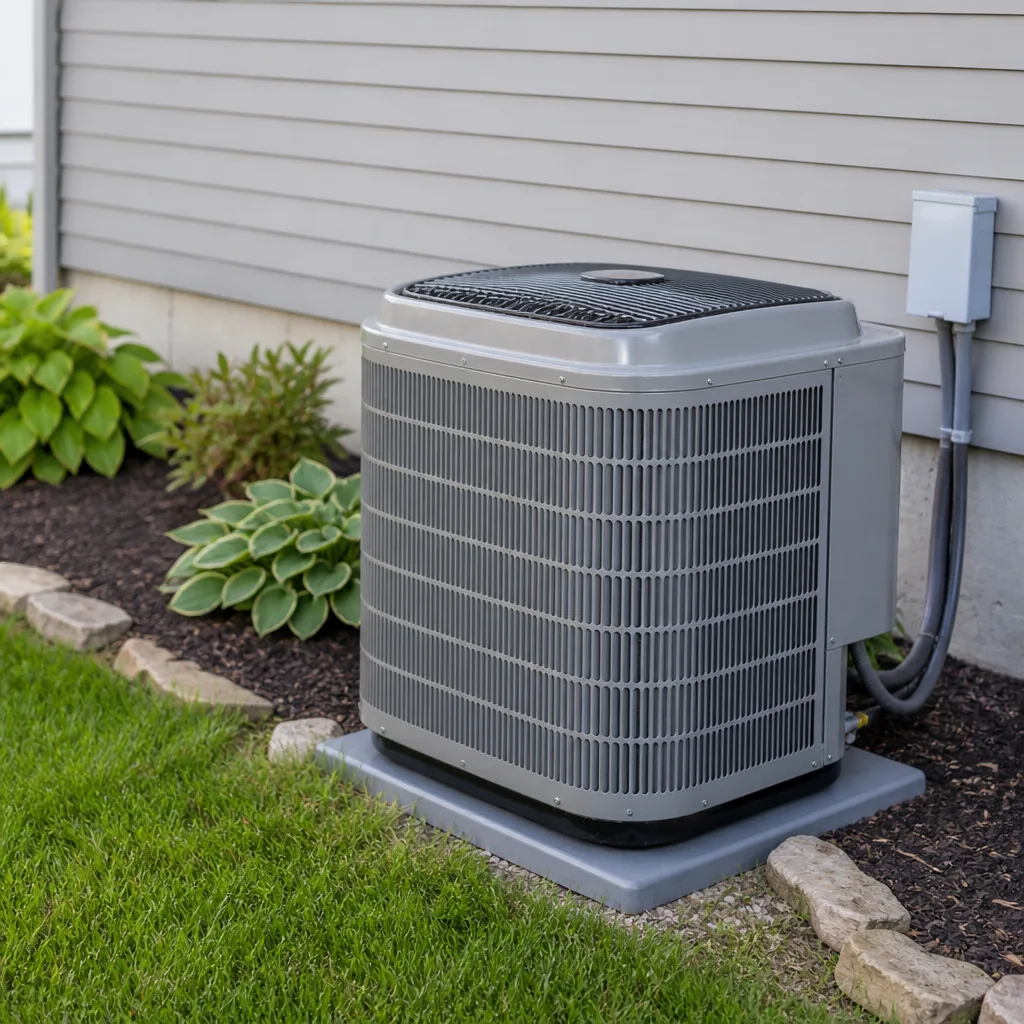 Carrier
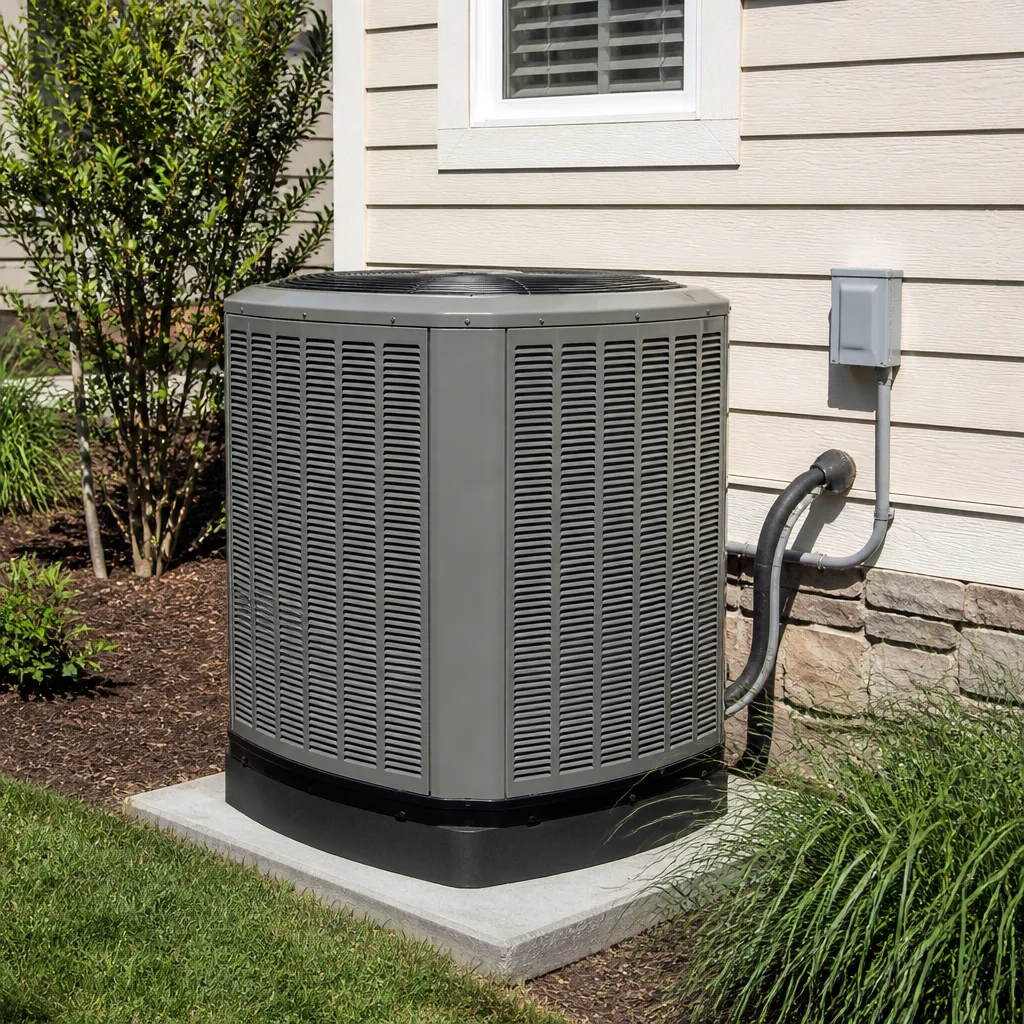 Trane
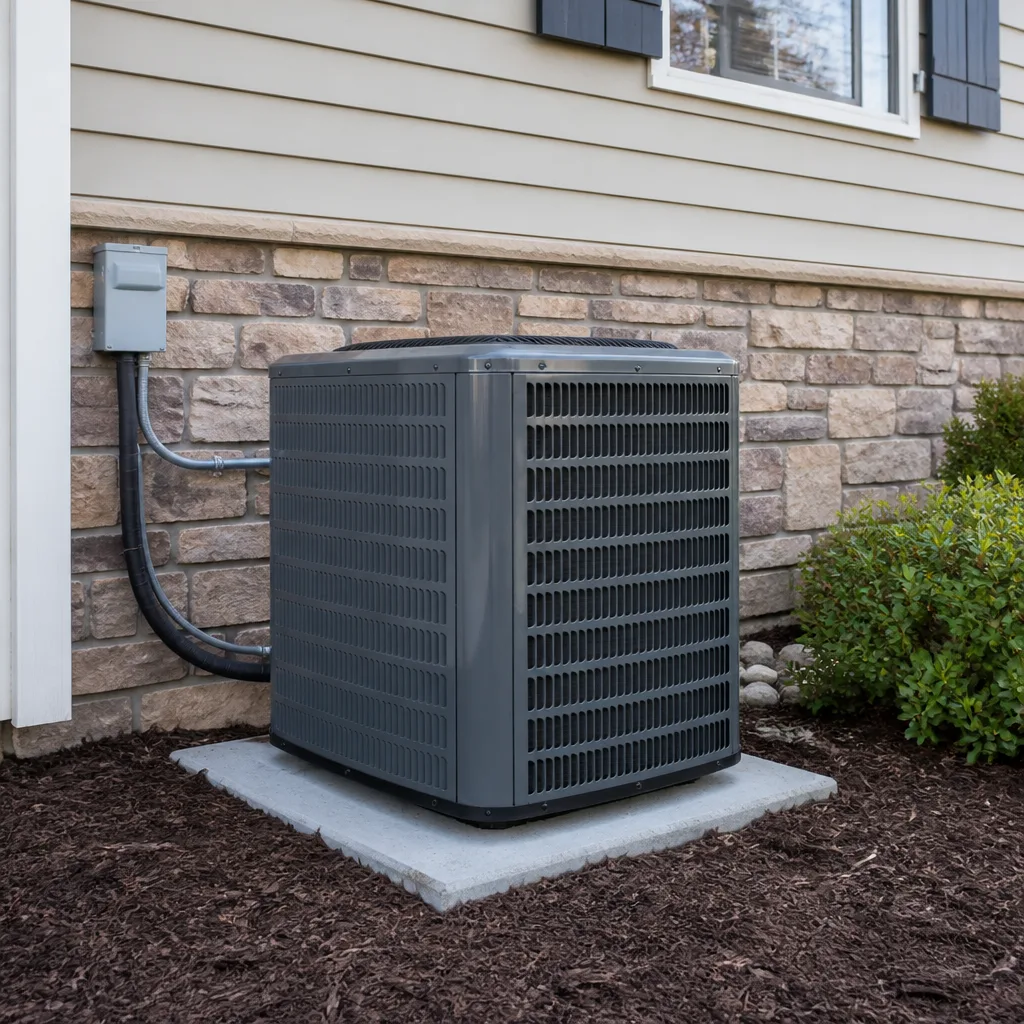 Goodman
Seasonal tune-up and full diagnostic on your Carrier, Trane, or Goodman system - readings shown to you before any repair is proposed
Diagnosis first, numbers second - you approve the repair price before a single part goes in.
Get your free estimateThe Complete AC Repair Guide for Mesquite Homeowners
A capacitor that lasts ten years in Seattle might fail in four in Mesquite. That’s the part most AC guides miss: desert heat doesn’t just make your system work harder, it speeds up the wear clock on nearly every component inside the unit. The same parts, the same brands, the same refrigerant – but a very different failure schedule. This guide treats Mesquite’s triple-digit summers as the baseline, not an edge case. You’ll learn which parts fail first here and why, how to tell a one-season patch from a real fix, which repairs you can safely handle yourself and which are legally off-limits, and how to read a repair quote without getting talked into a replacement you don’t need.
Quick Answer
AC repair in Mesquite, NV means diagnosing a system that runs far more hours per year than the national average, so capacitors, contactors, and refrigerant charge tend to fail sooner and fail more often under our desert heat. The right repair depends less on the unit’s age than on how many runtime hours it has logged and whether the fix addresses the root cause or just the symptom. Get a written diagnosis before you approve any work, and treat the estimate as the final price.
Styles & brands we work with
- AC installation
- Furnace & heating
- Heat pumps
- Ductless mini splits
- Carrier
- Trane
- Goodman
Table of Contents
- Why Mesquite Heat Changes the Repair Playbook
- Which Parts Fail First in a Desert Climate
- One-Season Patch vs. Root-Cause Repair
- DIY-Safe Repairs vs. the Ones You Shouldn’t Touch
- How to Read an AC Repair Quote in Mesquite
- Runtime Hours vs. Age: The Replacement Decision
- What to Check Before You Call
- Maintenance That Actually Extends Equipment Life
Why Mesquite Heat Changes the Repair Playbook
Most AC repair advice you’ll find online was written for a climate where the system runs three or four months a year and gets a long break the rest of the time. Mesquite doesn’t offer that break. When outdoor temperatures hold well above 100°F for weeks, your air conditioner isn’t just turning on more often – it’s running longer per cycle and cycling less, which means the compressor and the electrical components that feed it stay hot for hours at a stretch.
Heat is the enemy of every part inside that cabinet. A run capacitor sits in a metal box on a roof or a side yard where surface temperatures climb far higher than the shaded air temperature. Contactors carry high current and generate their own heat on top of ambient heat. Refrigerant pressures climb with outdoor temperature, pushing the compressor toward the top of its designed operating range. None of this is a defect. It’s the physics of running a heat-moving machine in a place that gets genuinely hot.
What that means for you in practical terms:
- Wear happens faster. Components that might last a decade in a mild climate can fail in half that time here.
- Failures cluster in the hottest weeks. When the system is stressed the most is exactly when a marginal part gives out.
- Diagnosis has to account for the heat. A technician who reads your system the same way they’d read one in a mild climate may misjudge whether a part is truly failing or simply working at the edge of its range.
This is why a Mesquite homeowner benefits from a specialist rather than a generalist. AC is the entire job here, not a seasonal sideline. If your system is already telling you something is wrong, AC repair starts with an honest diagnosis, not a sales pitch.
Which Parts Fail First in a Desert Climate
In our experience working on systems across Mesquite, the same handful of components account for most no-cool calls. Knowing them helps you understand what a technician is telling you and why the part they’re recommending matters.
Run and start capacitors
These store and release energy to get the compressor and fan motors spinning. Heat degrades the dielectric material inside, so a capacitor that would last years in a cooler climate can swell and fail much sooner in a Mesquite attic or rooftop install. A failed capacitor is one of the most common reasons a system hums but won’t start. It’s also one of the cheaper parts to replace.
Contactors
The contactor is the switch that sends power to the compressor and condenser fan. Its contacts pit and burn over thousands of cycles, and the heat accelerates that wear. Pitted contacts can cause intermittent operation – the system works, then doesn’t, then works again – which is frustrating to diagnose if you’re not looking for it.
Condenser fan motors
The fan that moves air across the outdoor coil runs constantly in peak heat. Bearings wear, windings get hot, and eventually the motor seizes or slows. A slow fan means poor heat rejection, which drives up refrigerant pressure and stresses everything downstream.
Refrigerant charge and pressure
On a 110°F day, refrigerant pressures are naturally higher than they’d be at 85°F. A system that’s slightly undercharged or slightly overcharged may behave acceptably in milder weather and then underperform in the hottest weeks. Proper charge verification requires measuring subcooling and superheat against the manufacturer’s specs – not just glancing at a gauge.
We service equipment from Lennox, Goodman, Rheem, York, and five other major brands, so whatever is sitting outside your house, the parts and the diagnosis are familiar territory. Nine brands. Three services. One specialist.
One-Season Patch vs. Root-Cause Repair
Here’s a distinction that matters more in a desert climate than almost anywhere else. Two repairs can look identical on an invoice and behave completely differently over the next two summers.
A one-season patch replaces the failed part without addressing why it failed. A capacitor fails, it gets swapped, the system runs – until the underlying cause (a weak fan motor drawing too much current, say) pushes the new capacitor past its limit. You paid for the part twice.
A root-cause repair traces the failure back to its source. The failed capacitor gets replaced, but the technician also checks the fan motor’s amp draw, the contactor’s contacts, and the refrigerant charge to make sure nothing is cooking the new part. The repair costs a little more upfront and lasts far longer.
How to tell which one you’re getting:
- Ask why the part failed. A good technician can explain the mechanism. “It just went bad” is not a diagnosis.
- Look for a system check, not just a part swap. Amp draw readings, pressure readings, and a visual inspection of related components should show up on the ticket.
- Watch for bundled recommendations without explanation. If three parts are recommended at once, ask which one is causing the failure and which are preventive.
The honest answer is sometimes that a patch is the right call – for example, on an older system you’re already planning to replace. But you deserve to know which kind of repair you’re buying. Whether you need a repair today or a full replacement, we give you an honest assessment first.
DIY-Safe Repairs vs. the Ones You Shouldn’t Touch
Some AC problems are genuinely within reach for a handy homeowner. Others are unsafe, and a few are legally restricted. Knowing the line protects your wallet and, more importantly, your safety.
Genuinely DIY-safe
- Replacing the air filter. Cheap, easy, and one of the best things you can do for airflow.
- Clearing debris around the outdoor unit. Keep the coil clear of leaves, dirt, and stored items.
- Checking the thermostat batteries and settings. A dead thermostat battery mimics a total system failure.
- Resetting a tripped breaker once. If it trips again, stop and call – that’s a signal, not a fluke.
Not DIY-safe
- Refrigerant handling. Refrigerant is regulated and requires certified handling and recovery equipment. Releasing it is illegal, and attempting to add or recover it without the right tools and training is dangerous.
- Capacitors and electrical components. Capacitors can hold a lethal charge even after the power is off. The electrical panel and the wiring feeding your condenser carry high current. This is trained-professional territory.
- Compressor work. Any internal compressor repair requires specialized tools and knowledge.
If a repair involves electricity or refrigerant, that’s the point to put the tools down and make a call. Our technicians have up to 10 years of experience and know exactly which components demand that respect.
How to Read an AC Repair Quote in Mesquite
A repair quote should tell you three things: what failed, why it failed, and what it will cost to fix it correctly. If any of those is missing, ask. Pricing in Mesquite is set per job by a written estimate, so the final number should match the quote – no surprises after the work starts.
What a fair quote should itemize:
- Diagnosis findings. The specific part, the reading that shows it’s failing (amp draw, capacitance reading, pressure readings), and the failure mechanism.
- Parts. Brand and part number where relevant, so you can see what’s being installed.
- Labor. Stated as a line item, not buried in the parts price.
- Any related components the repair touches. If replacing a capacitor means checking the fan motor, say so on the quote.
One thing worth understanding: our estimates are free, and the written estimate sets the final price. That’s the standard to hold any contractor to in Mesquite. If a quote arrives as a single lump number with no breakdown, push for detail before you approve it.
For a bigger picture on what replacement looks like when repair no longer makes sense, see our guide to AC Replacement Mesquite.
Runtime Hours vs. Age: The Replacement Decision
Most homeowners judge their AC by a single number: the year it was installed. In a desert climate, that number is misleading. What matters far more is how many hours the system has actually run and how well it’s been maintained.
A system installed in Mesquite that runs through a long, hot cooling season logs far more operating hours per year than an identical system in a mild climate. Those hours wear the compressor, the fan motors, and the electrical components. A five-year-old system here can have the runtime hours of a much older unit elsewhere.
So when is repair the right call, and when is replacement?
Lean toward repair when:
- The failure is an isolated component (capacitor, contactor, fan motor) and the rest of the system tests healthy.
- Runtime hours are still moderate and the system has been maintained.
- The repair cost is a fraction of replacement cost and the system has clear life left.
Lean toward replacement when:
- You’re facing the same repair repeatedly on the same system.
- The compressor itself is failing or has failed – a major and expensive component.
- Efficiency has dropped noticeably and your summer bills keep climbing.
- Multiple major components are near the end of their wear curve at once.
If you’re at the replacement decision, our AC installation team loads the job to your home, gives you a written fixed price, and sets an install date. That work is scheduled, not rushed, because getting the sizing and setup right matters more than speed.
What to Check Before You Call
Before you pick up the phone, a few quick checks can save you a service trip – or give the technician useful information when you do call. None of these involve opening the unit or touching electrical components.
- Check the thermostat. Confirm it’s set to cool, the target temperature is below the current room temperature, and the batteries aren’t dead.
- Check the air filter. A clogged filter starves the system of airflow and can mimic a mechanical failure.
- Check the breaker. Look for a tripped breaker at the panel. If it’s tripped, reset it once. If it trips again, stop and call.
- Look at the outdoor unit. Is it running? Is the fan spinning? Is there ice on the lines or the coil? Ice is a sign of a refrigerant or airflow problem, not a reason to add refrigerant yourself.
- Listen. A hum without a start, a clicking sound, or a grinding fan are all clues the technician will want to hear about.
- Note what you observe. When it stopped cooling, how hot it is outside, whether it’s intermittent – write it down so you can describe it clearly.
Once you’ve done those checks and the system still isn’t cooling, it’s time for a professional diagnosis. We answer 24/7. Fast dispatch, 7am-7pm.
Maintenance That Actually Extends Equipment Life
Maintenance is the part of AC care that’s easiest to skip and hardest to replace once a failure happens. In a Mesquite climate, a maintained system doesn’t just run better – it lasts longer, because the components that fail fastest are the ones that benefit most from regular attention.
What a real maintenance visit should cover:
- Capacitor testing. Measuring actual capacitance against spec catches a weakening part before it strands you in a heat wave.
- Contactor inspection. Checking for pitted contacts and cleaning or replacing as needed.
- Coil cleaning. A dirty outdoor coil drives up pressure and stresses the compressor; a dirty indoor coil restricts airflow.
- Refrigerant charge verification. Measuring subcooling and superheat against manufacturer specs, not just eyeballing gauges.
- Amp draw readings on the compressor and fan motors. Rising amp draw is an early warning sign of a motor headed for failure.
- A written report of what was found. You should know what passed, what’s marginal, and what to watch.
On our maintenance visits, you get a flat price and a written report of what was actually found. Our technicians are not paid on what they sell, so the report reflects the system, not a quota. For homeowners who want to stay ahead of failures rather than react to them, a maintenance plan creates an ongoing relationship where the technician knows your specific system over time – the right setup for a Mesquite home that leans on its AC for months on end.
If you’re considering service in a nearby community, you can also read about Mesquite and what makes this climate hard on cooling equipment.
Common Mistakes to Avoid
- Judging the system by its age alone. In a Mesquite climate, runtime hours tell you far more about remaining life than the install year. A well-maintained five-year-old unit may have plenty of life left; a neglected one may not.
- Adding refrigerant without finding the leak. Low charge is a symptom, not the problem. Topping it off without locating the leak means you’ll be topping it off again.
- Ignoring a tripped breaker that keeps tripping. A breaker that trips twice is telling you something is wrong upstream. Reset it once, then call.
- Running the system with a clogged filter. It restricts airflow, freezes coils, and stresses the compressor – a cheap part causing expensive damage.
- Skipping maintenance because the system is “running fine.” Maintenance catches weakening capacitors and rising amp draw before they become no-cool calls in peak heat.
- Accepting a single lump-sum quote with no breakdown. A fair quote itemizes diagnosis, parts, and labor, and the written estimate is the final price.
- Letting a generalist diagnose a specialized problem. AC is all we do, so the diagnosis reflects a specialist who works on nine major brands and knows the desert-specific failure patterns.
See the difference
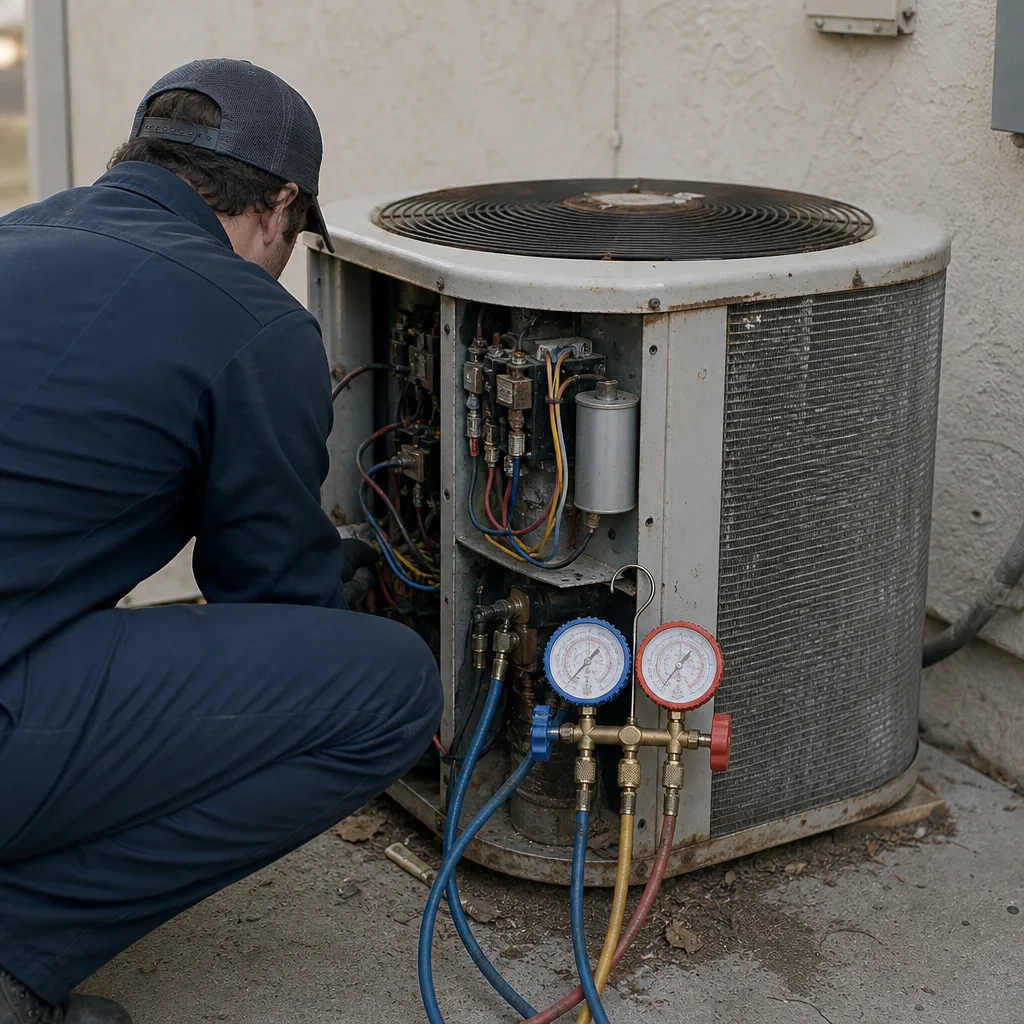 Before
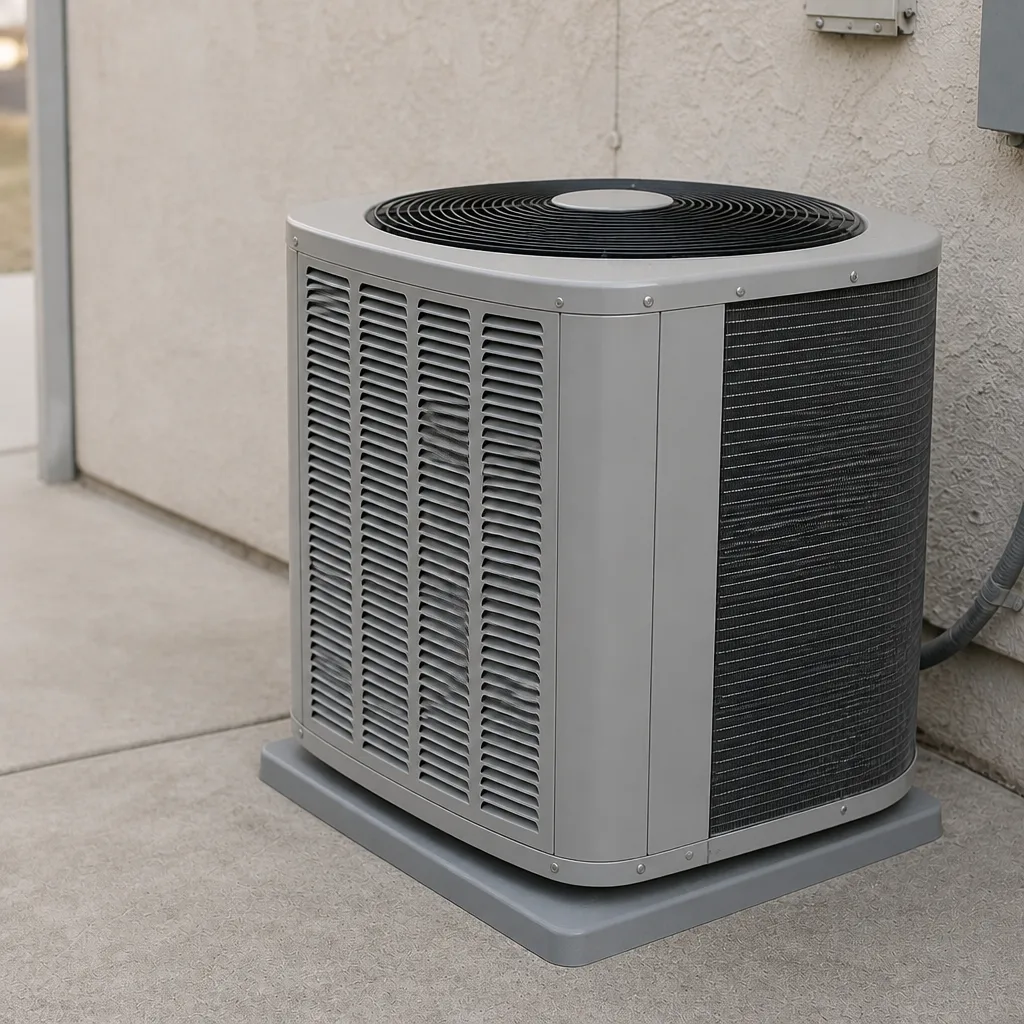 After
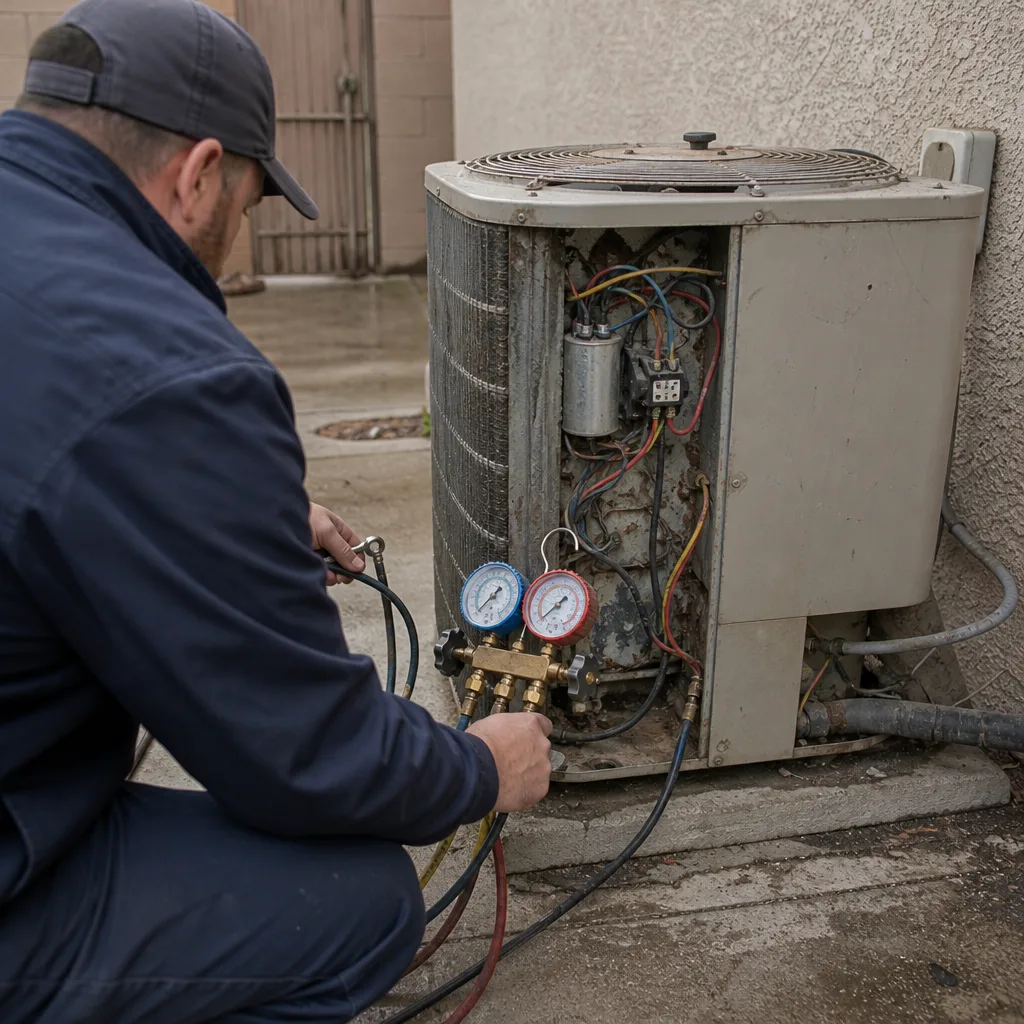 Before
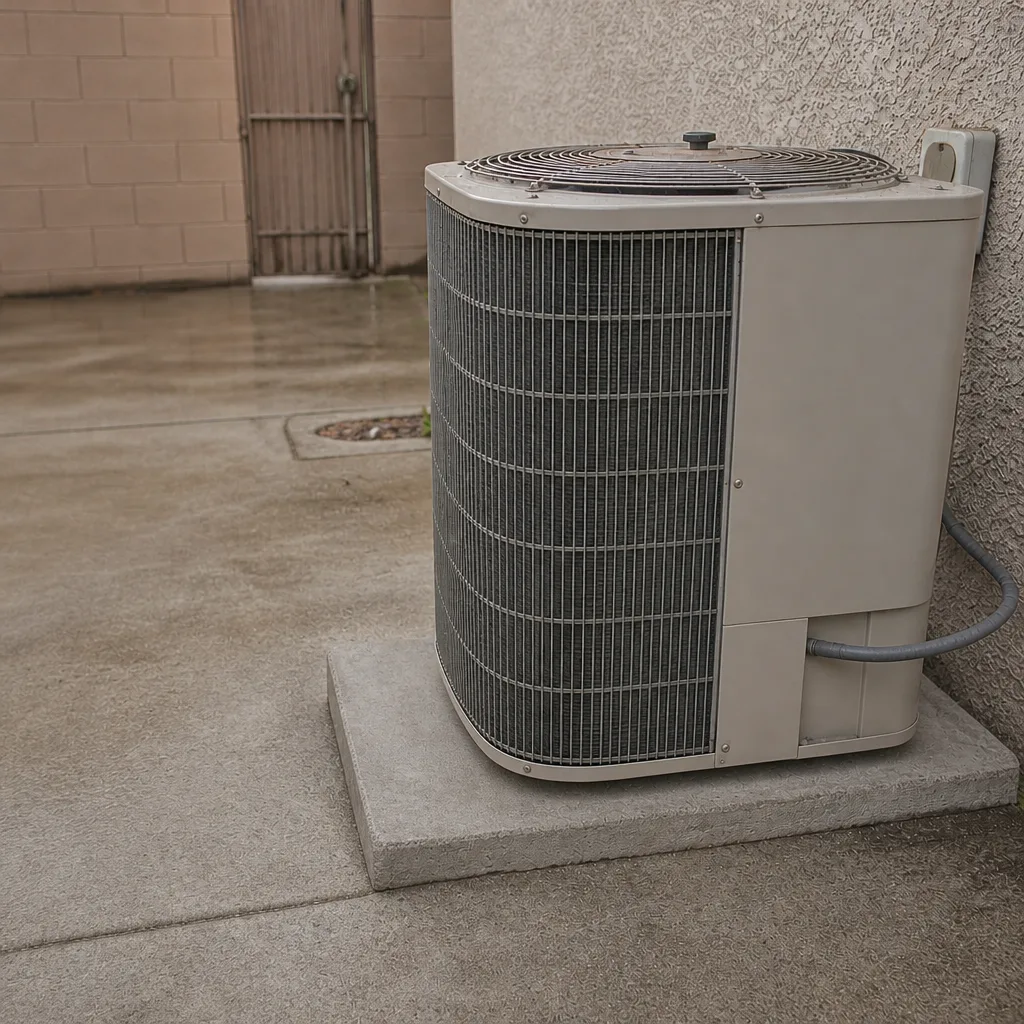 After
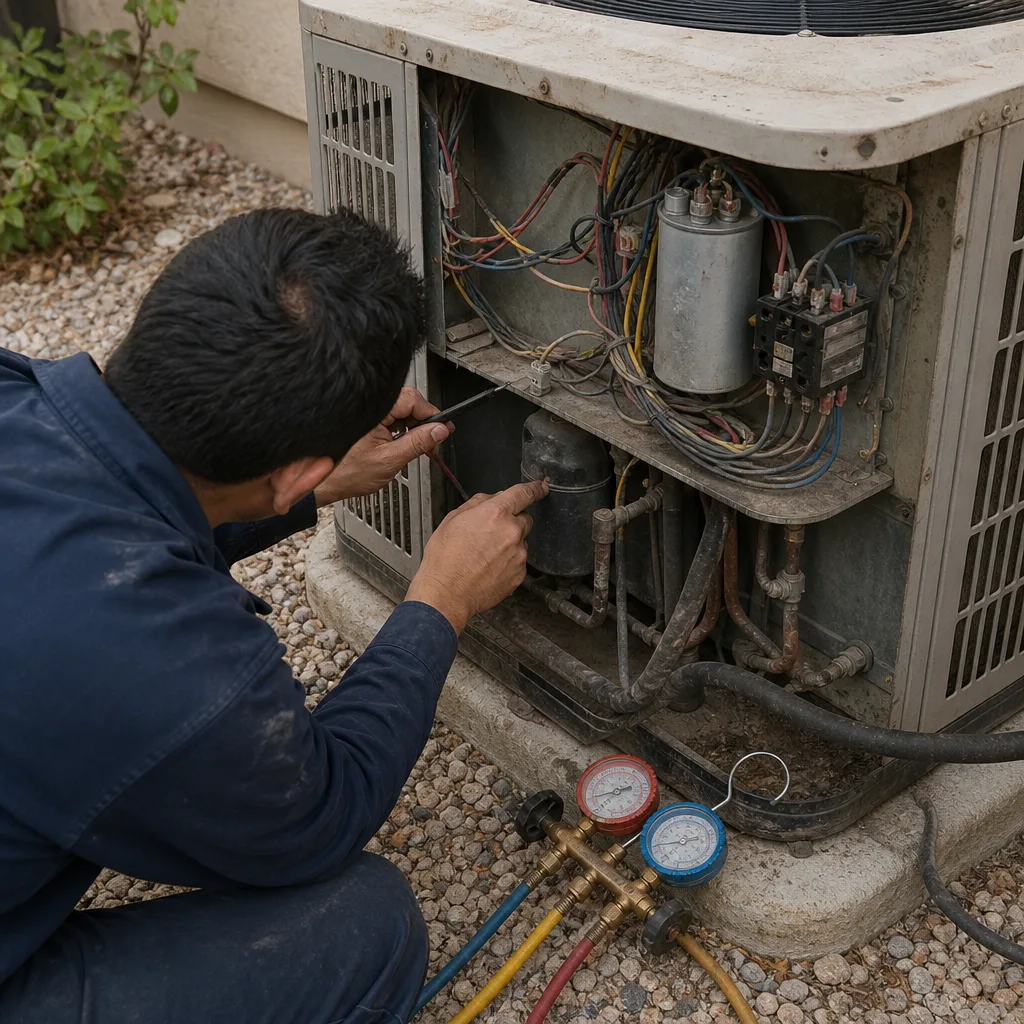 Before
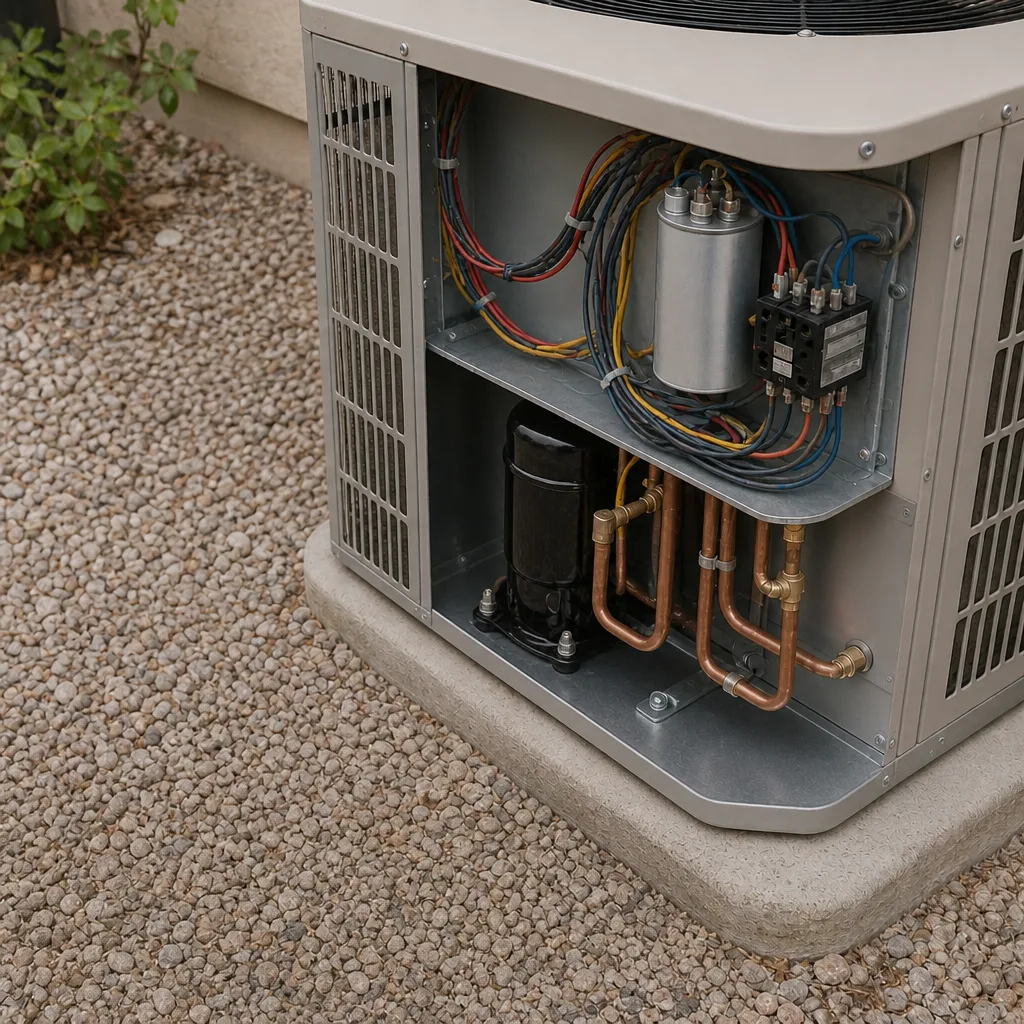 After
When to Call a Professional
Some situations clearly call for a trained technician: the system won’t start, the breaker keeps tripping, you hear humming without a start, there’s ice on the lines, refrigerant is involved, or the system is running but not cooling enough on a hot day. Any electrical or refrigerant work is professional territory, full stop. If you’re unsure whether the problem is major or minor, an honest diagnosis is the fastest way to find out. AC Replacement Mesquite offers free estimates in Mesquite – call (866) 764-5851. We answer 24/7, with fast dispatch from 7am to 7pm, Sunday through Friday.
Frequently Asked Questions
AC repair in Mesquite is priced per job by a written estimate, so the cost depends on what failed and what it takes to fix it correctly. You’ll get a free estimate that itemizes the diagnosis, parts, and labor, and the written estimate sets the final price. Call (866) 764-5851 for an exact quote – estimates are free.
In many cases, yes – same-day repair is available and we dispatch from 7am to 7pm, Sunday through Friday. We answer 24/7, and a call outside dispatch hours is booked into the next opening. Call (866) 764-5851 to get on the schedule.
Because the system runs far more hours per year in desert heat, components like capacitors, contactors, and fan motors wear faster than they would in a cooler climate. The failures aren’t random – they follow the heat. A specialist who works in this climate knows the pattern and can catch a weakening part before it strands you.
Repair usually makes sense when the failure is an isolated component and the rest of the system tests healthy; replacement is the better call when the compressor is failing or you’re facing repeated repairs on the same system. Runtime hours and maintenance history matter more than age in a Mesquite climate. Call (866) 764-5851 for an honest assessment before you decide.
We’re certified to service nine leading brands: Carrier, Trane, Lennox, Goodman, Rheem, York, Daikin, Bryant, and American Standard. Whatever system is already in your home, chances are good we work on it. We’re brand-neutral, so recommendations are based on your home and budget, not a manufacturer allegiance.
Yes – maintenance is one of our three core services, alongside repair and installation. A maintenance visit includes component testing, coil cleaning, charge verification, and a written report of what was found, at a flat price with no commission on what the technician recommends. Call (866) 764-5851 to set one up.
The Bottom Line
Mesquite’s desert heat rewrites the AC repair rulebook. Components wear faster, failures cluster in the hottest weeks, and the question that matters most isn’t “how old is my system?” but “how many hours has it run, and has it been maintained?” Get a written diagnosis that explains why a part failed, not just that it did. Respect the line between DIY-safe tasks and the electrical and refrigerant work that belongs to a trained professional. And when you’re choosing a repair quote, insist on one that itemizes diagnosis, parts, and labor, with a written estimate that sets the final price. Whether you need a repair today or a full replacement, we give you an honest assessment first. From routine tune-ups to full system installations, one call covers it.
Call (866) 764-5851 for a free estimate. We answer 24/7. Fast dispatch from 7am to 7pm, Sunday through Friday.
Written by the team at AC Replacement Mesquite.