
Last updated November 17, 2026
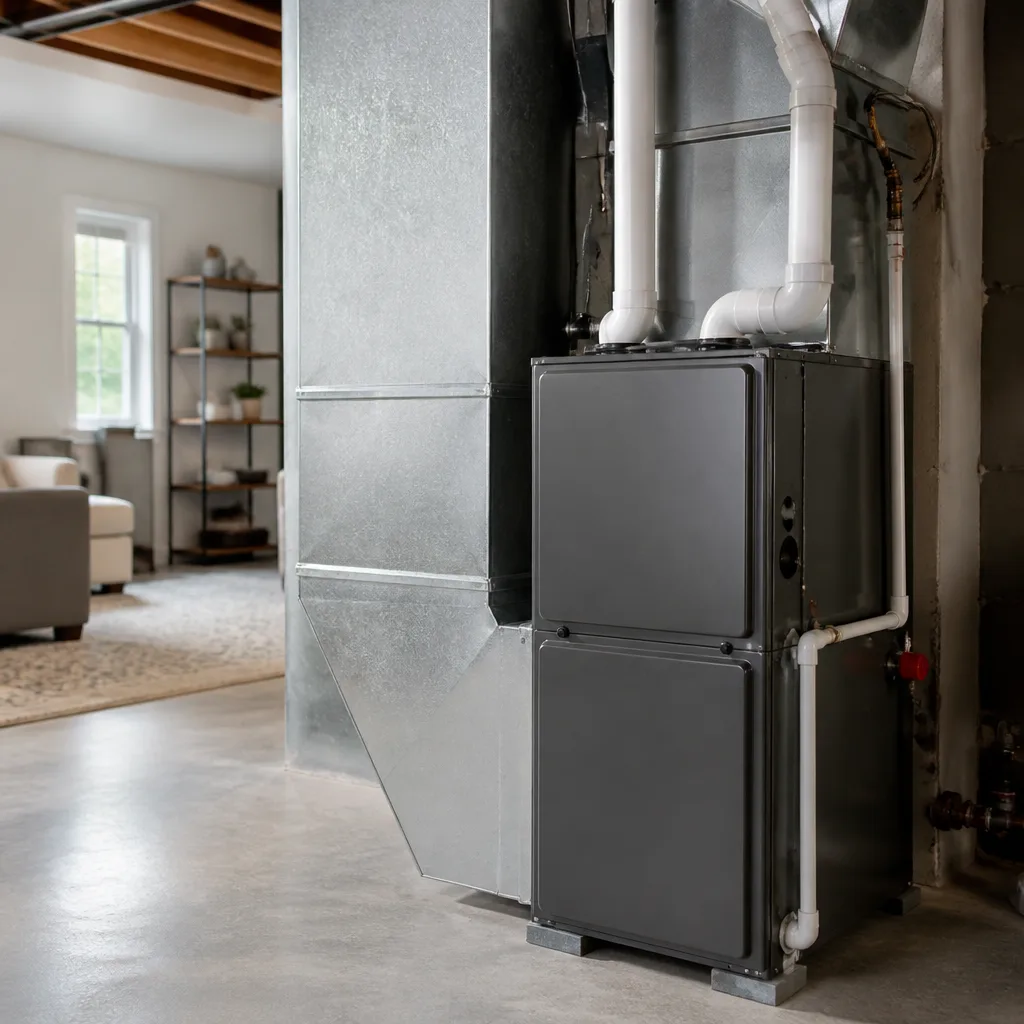 Furnace & heating
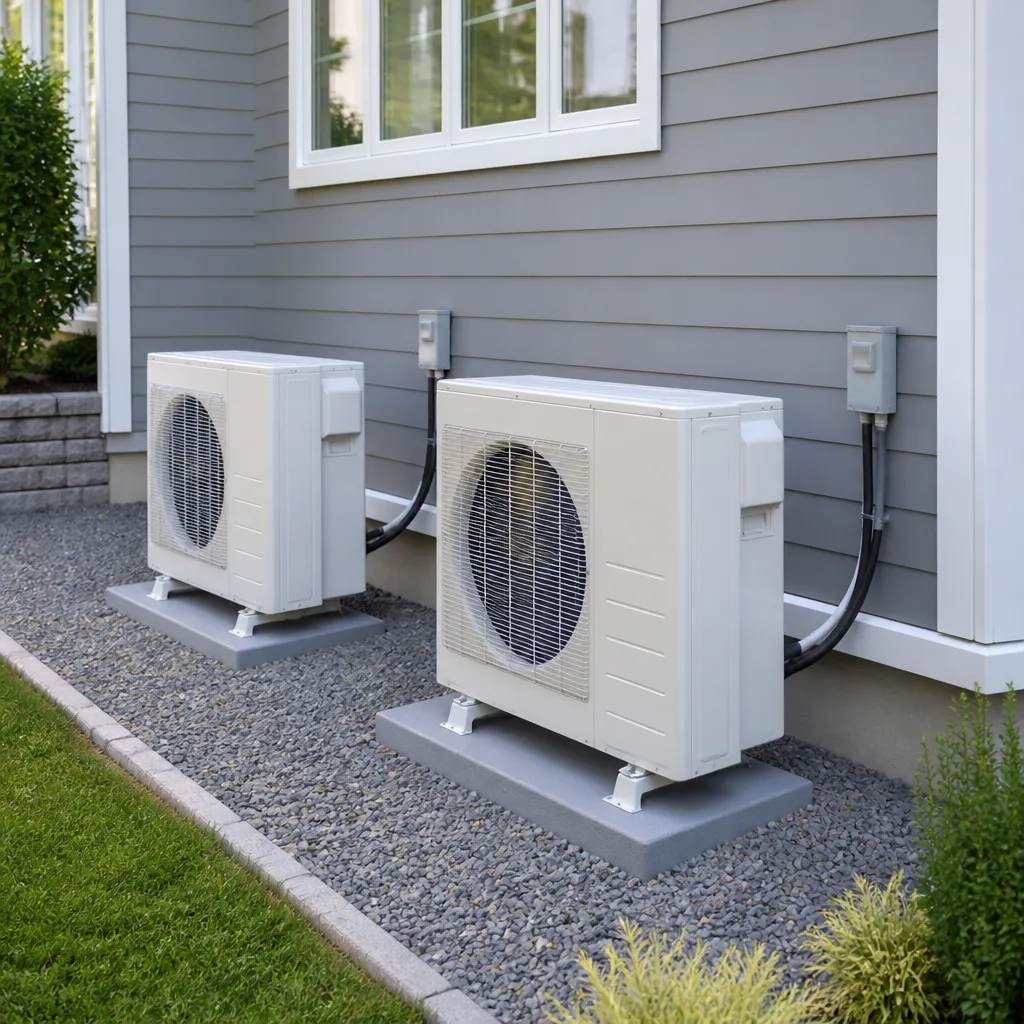 Heat pumps
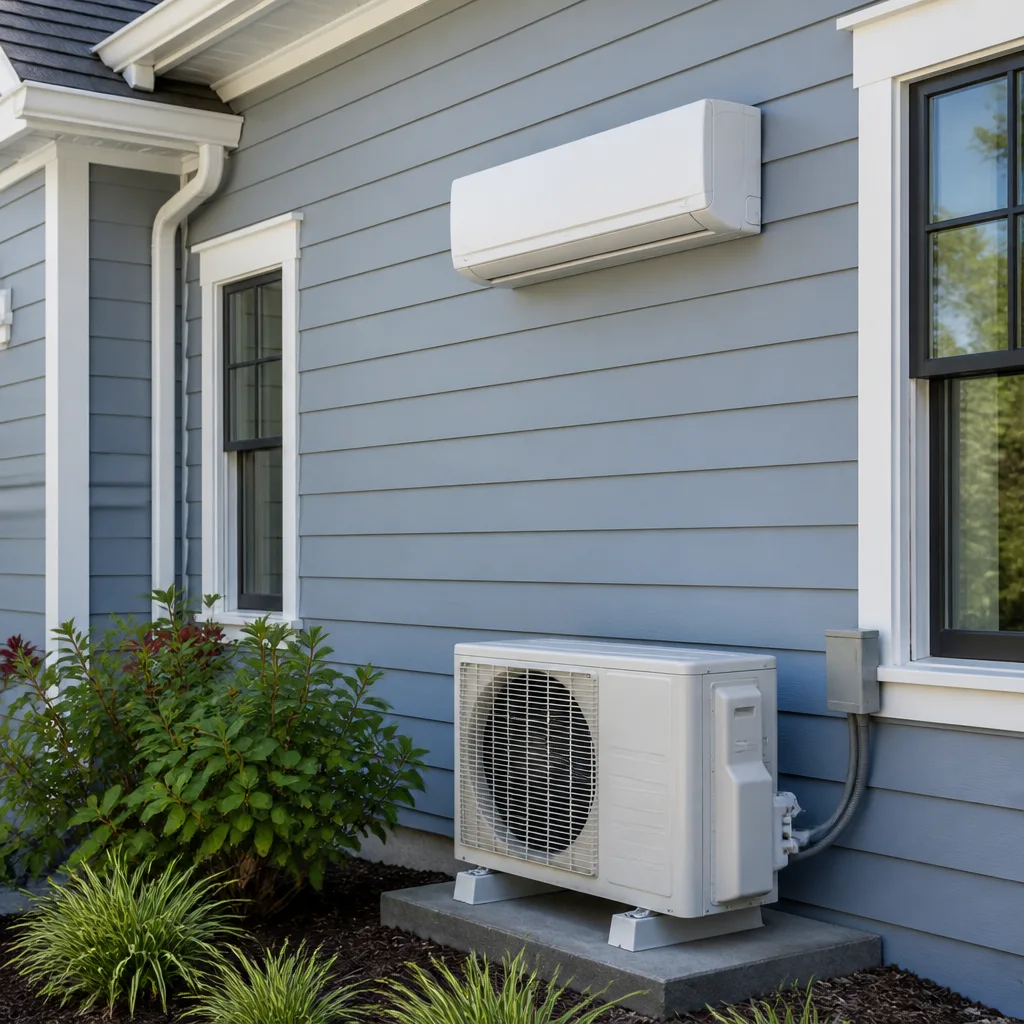 Ductless mini splits
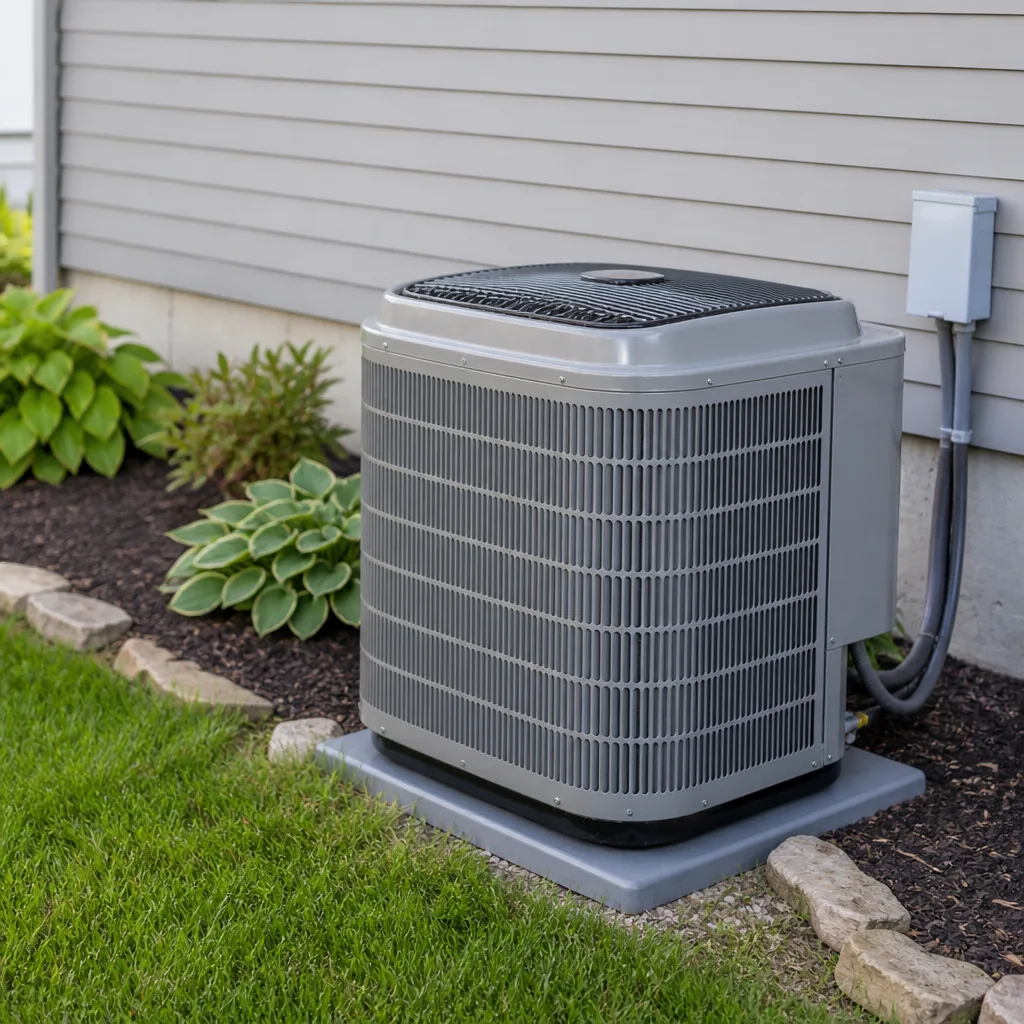 Carrier
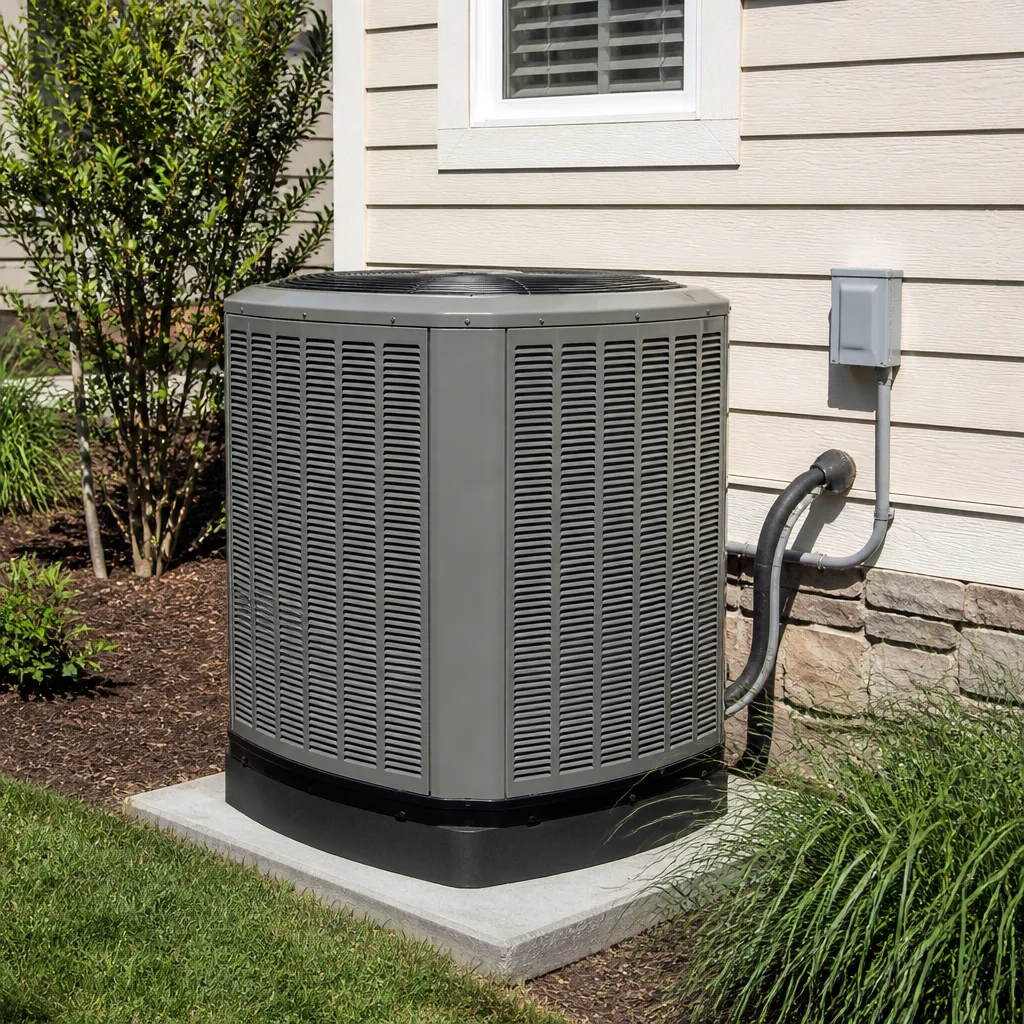 Trane
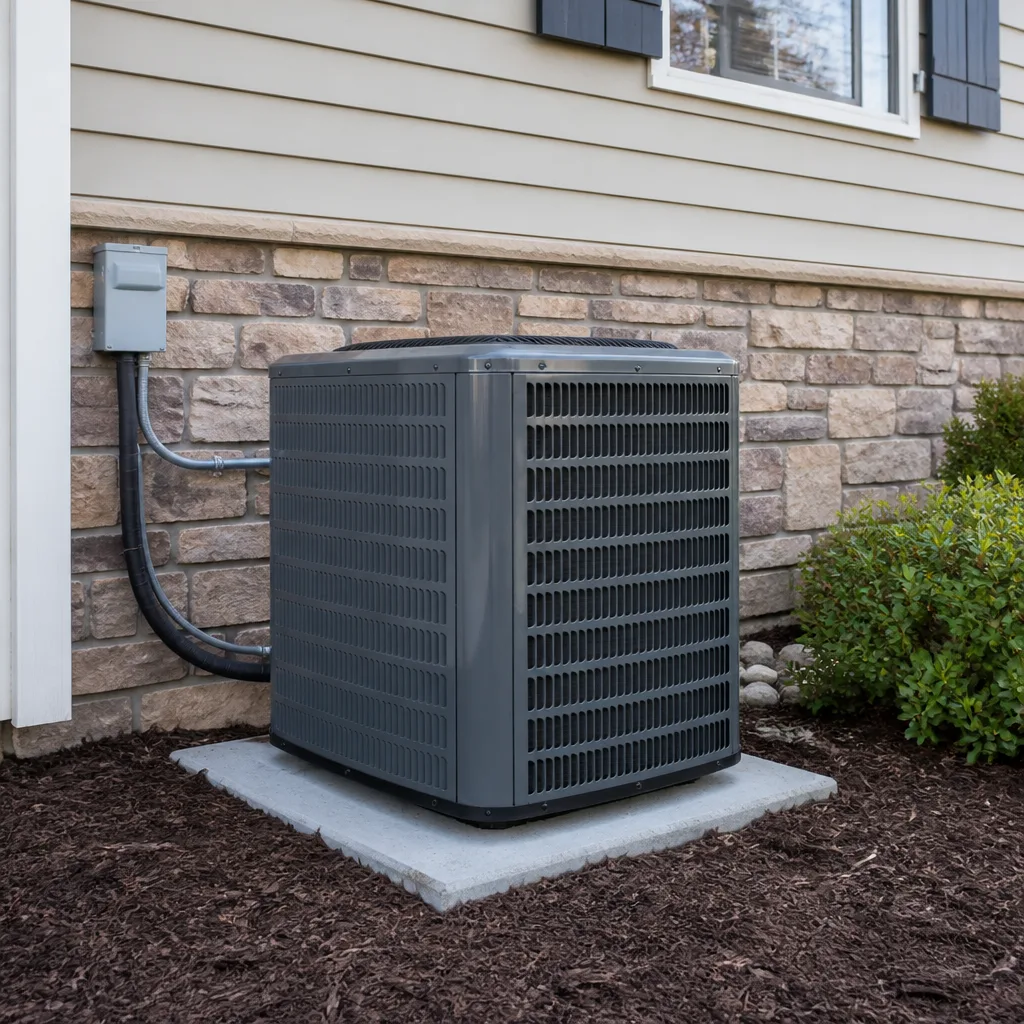 Goodman
Seasonal tune-up and full diagnostic on your Carrier, Trane, or Goodman system - readings shown to you before any repair is proposed
Diagnosis first, numbers second - you approve the repair price before a single part goes in.
Get your free estimateDIY vs Professional HVAC: The Mesquite Homeowner’s Decision Guide
Most DIY-versus-pro guides treat the question like a personality test: are you handy or not? That framing misses what actually matters. The real line isn’t drawn by confidence or by budget. It’s drawn by federal law, manufacturer warranty terms, and how fast a small mistake compounds in extreme heat. Handling refrigerant without an EPA Section 608 certification is a federal violation, and the fines run high enough that the YouTube tutorial looking like a weekend project can become a legal problem before you finish. In Mesquite, where a July afternoon can push equipment to its limits, that line between what you can safely touch and what you can’t is sharper than most homeowners realize. This guide draws it task by task.
Quick Answer
You can and should handle the simple end of HVAC care yourself: filter changes, thermostat swaps, coil fin straightening, and condensate line flushing are all safe and legal for a homeowner. Anything that touches refrigerant, the compressor, the electrical panel, or a sealed system requires a licensed technician, and most manufacturer warranties specify that installation and documented maintenance be done by licensed professionals or coverage is void. Between those two poles sits a wide middle where a professional diagnosis is faster and cheaper than guesswork.
Styles & brands we work with
- AC installation
- Furnace & heating
- Heat pumps
- Ductless mini splits
- Carrier
- Trane
- Goodman
Table of Contents
- Where Is the Legal Line in Nevada for DIY AC Work?
- The Definitive Task List: What You Can Do vs. What Requires a Tech
- Why DIY Mistakes Compound Faster in Mesquite’s Desert Climate
- What Voids Your Manufacturer Warranty (Carrier, Trane, Lennox, Rheem)
- The DIY Skills Worth Learning: Error Codes and Static Pressure
- When a Specialist Beats a Generalist in Mesquite
- Repair or Replace? How Professional Diagnosis Fits In
Where Is the Legal Line in Nevada for DIY AC Work?
The legal line is refrigerant. If a repair involves adding, recovering, or handling refrigerant in any way, federal law requires an EPA Section 608 certification, and doing it without one is a violation. That single rule removes a large category from homeowner reach: recharging a low system, tracking down a leak in the sealed circuit, swapping a compressor, and replacing an expansion valve are all off-limits without certification, regardless of how mechanically inclined you are.
Nevada adds its own layer by requiring contractors who perform HVAC work for compensation to be licensed. That matters for a homeowner in a subtler way: unlicensed work has no inspection trail, and when something goes wrong later, you carry the cost. Alongside the licensing rules, most municipalities require a permit for a system replacement, so it’s worth a call to your city’s building department before any major equipment change.
What stays legal and safe on your side of the line:
- Changing air filters on schedule
- Replacing a thermostat (low-voltage wiring only)
- Straightening bent coil fins with a fin comb
- Flushing the condensate drain line with vinegar or water
- Cleaning debris from around the outdoor unit
- Checking and resetting breakers at the panel (visual inspection only, no rewiring)
The safe rule of thumb: if the task requires opening the refrigerant circuit or opening the electrical panel itself, it isn’t a homeowner job. Ask a licensed professional. For a structured look at how a full changeover is handled, our guide to AC Replacement Mesquite walks through the process step by step.
The Definitive Task List: What You Can Do vs. What Requires a Tech
Print this section and keep it near the unit. It’s the cleanest way to decide whether a given problem is a Saturday project or a service call. The split is based on safety, law, and what actually prevents damage.
Safe for homeowners
- Filter changes. Every one to three months, or more often in dusty Mesquite neighborhoods near open desert edges.
- Thermostat replacement. Reading the manual and matching the low-voltage wires is straightforward for a confident DIYer.
- Coil fin straightening. A fin comb brings crushed fins back into line and restores airflow.
- Condensate line flushing. A cup of vinegar quarterly prevents the most common summer shutdown.
- Outdoor unit clearing. Pulling weeds, leaves, and debris from around the cabinet keeps airflow clean.
Requires a licensed technician
- Refrigerant recharge and leak repair. EPA Section 608 certification required.
- Compressor replacement. Sealed system work and an electrical component.
- Capacitor and contactor replacement. High-voltage components, no room for error.
- Expansion valve and metering device work. Inside the sealed refrigerant circuit.
- Ductwork sealing and redesign. Airflow calculations and often permits.
- Full system diagnosis. Requires gauges, meters, and training to read the results.
For repair situations that fall on the technician side, our AC repair page explains what a visit usually covers and how we approach a diagnosis.
Why DIY Mistakes Compound Faster in Mesquite’s Desert Climate
A small mistake that survives a mild summer can destroy equipment in one Mesquite summer. That’s the part most general DIY guides leave out. Extrreme heat doesn’t just make a system work harder – it magnifies any flaw in airflow or refrigerant charge until the system fails outright, and often after the warranty window has already closed.
Consider a filter that’s seated slightly off. In an average climate, a small bypass gap means extra dust on the coil and a slow decline in performance over years. In Mesquite, where the outdoor unit fights triple-digit temperatures for months at a stretch, the same gap concentrates the stress. The blower works harder, the evaporator coil ices or overheats, and the compressor runs long cycles trying to hold the setpoint. What would have been a maintenance note becomes a coil replacement in a single season.
The same math applies to a low refrigerant charge. A slightly undercharged system in a mild climate limps along. Under a Mesquite summer load, the compressor overheats and eventually seizes. Charging by guess isn’t safe or legal without certification, and that’s precisely why the task belongs to a technician.
Local operating conditions to keep in mind:
- Long cooling seasons that run equipment near its rated limit for months
- Dust intrusion from open desert that clogs filters and coils faster than in greener climates
- Wide day-to-night temperature swings that stress the system’s cycling
- Older housing stock where ductwork may already be leaky or undersized
When a repair turns into a replacement decision, our AC installation page describes what proper sizing and commissioning look like in this climate.
What Voids Your Manufacturer Warranty (Carrier, Trane, Lennox, Rheem)
Manufacturer warranties on major brands such as Carrier, Trane, Lennox, and Rheem share a common thread: they assume the equipment was installed by a licensed professional and maintained according to the manufacturer’s schedule. Read the fine print on any of those brands and you’ll find language that ties coverage to licensed installation and documented maintenance. A homeowner-installed unit, or a system with no maintenance record, can lose coverage even when the failure itself looks like a manufacturing defect.
What typically voids or weakens coverage:
- Installation by an unlicensed party
- No documented maintenance history
- Refrigerant work done without proper certification
- Improper sizing or a mismatched indoor and outdoor unit
- Electrical work outside code
- Unauthorized modifications to the sealed system
Brands like Goodman, Rheem, York, and Daikin each publish their own terms, and the details vary. The safest habit is to read the warranty document that came with your equipment before you decide to handle a task yourself. A maintenance record with dates and findings is your proof if a claim is ever questioned, and that record is one of the quiet reasons to keep a professional relationship going rather than treating HVAC as a one-time transaction.
Our technicians have up to 10 years of experience and work on nearly every major brand, including yours, so we can tell you how a specific warranty reads before you risk it. If you’re weighing a full changeover, the linked guide above covers the decision from the warranty angle too.
The DIY Skills Worth Learning: Error Codes and Static Pressure
Two skills are worth learning because they catch problems early and cost nothing: reading your thermostat’s error codes and checking static pressure with a manometer. Neither requires touching refrigerant, and both give you information a professional can act on. When you call, you can describe exactly what the system reported, which shortens the diagnosis and often the visit.
Reading thermostat error codes
- Open your thermostat’s manual or the manufacturer’s app and find the fault-code table.
- When the display throws a code, write it down along with the time of day.
- Cross-reference the code: some point to a dirty filter, others to a sensor, others to a communication fault.
- Note whether the code clears after a filter change or a power cycle; a returning code is the one that matters.
- Bring the code and the manual to your call. It’s the fastest way to a targeted diagnosis.
Modern thermostats from most manufacturers log history, so you can see whether a fault has been repeating for weeks. That log is worth more than a vague description of “it’s not cooling well.”
Checking static pressure with a manometer
Static pressure measures how hard the blower is working to move air through your ducts. High static pressure means restricted airflow, which strains the blower and the compressor. A basic manometer and a short length of tubing let you measure it at the return and supply, and the reading tells you whether a filter change, a duct repair, or a professional visit is the right next step. It’s a diagnostic tool, not a repair: you’re reading the number, not fixing the system. If the number is consistently high, call a technician; that’s a sign of a duct problem that will cost more the longer it runs.
When a Specialist Beats a Generalist in Mesquite
For a routine filter change, it doesn’t matter. For a complex diagnosis, it matters a lot. An AC-focused technician carries the gauges, meters, and experience to read a system quickly, and in a Mesquite summer that speed translates to a lower bill and fewer return visits. A generalist who handles heating, plumbing, and electrical as well may be perfectly competent, but the diagnosis takes longer when AC is one of many sidelines rather than the whole job.
That’s why we keep our scope narrow: repair, installation, and maintenance are the full extent of what we do. AC is all we do, so we do it right. Whether you need a repair today or a full replacement, we give you an honest assessment first. And because we service equipment from nine major manufacturers, including Carrier, Trane, Lennox, Goodman, Rheem, York, Daikin, Bryant, and American Standard, we can work on nearly every major brand, including yours, rather than steering you toward one manufacturer.
In our experience, the diagnosis itself is where a specialist earns the call. Reading superheat and subcooling, checking static pressure, verifying the electrical draw, and cross-referencing the fault history takes a trained eye, and a fast accurate diagnosis is what keeps a small problem from becoming a replacement. From routine tune-ups to full system installations, one call covers it.
If you live in or around Mesquite, our team is set up for exactly this kind of focused work.
Repair or Replace? How Professional Diagnosis Fits In
Repair versus replace is a decision that benefits from data, not from a hunch. The professional diagnostic visit produces the numbers you need: the age of the system, the refrigerant pressure readings, the electrical draw, the static pressure, and the estimated cost of the repair against the remaining life of the equipment. Those numbers, not a sales pitch, are what decide the question. We don’t talk customers into replacements; replacement and installation are a named specialty, not an occasional upsell, and we’re built for homeowners who’ve already decided or who need honest guidance on the decision.
A rough framework for thinking it through:
- If the system is young and the repair is small, repair it and schedule maintenance.
- If the repair is a large sealed-system job on equipment near the end of its life, replacement usually wins on cost per year.
- If the system is old and the efficiency has dropped, replacement may pay back through lower summer bills.
- If the equipment is under warranty, read the warranty terms before assuming a replacement is covered.
Our maintenance service keeps a running record of your system’s condition, so when the decision arrives you’re deciding from history rather than memory. The right answer for a given home depends on the numbers, and a free estimate is the place to get them.
Common Mistakes to Avoid
- Trying to recharge the system yourself. Handling refrigerant without EPA Section 608 certification is a federal violation, and the fines are steep. Leave it to a licensed technician every time.
- Choosing a filter by price alone. A cheap filter that’s slightly undersized lets dust bypass the coil, and in Mesquite’s dusty air that bypass destroys a coil in one summer. Match the filter to the cabinet size.
- Skipping the condesate line flush. The single most common summer shutdown in Mesquite is a clogged condensate drain, and a cup of vinegar quarterly prevents it.
- Ignoring a thermostat error code. A code that returns after a filter change is telling you something, and a technician can read it in minutes. Waiting turns a cheap fix into a compressor.
- Assuming the warranty covers a DIY install. Carrier, Trane, Lennox, and Rheem warranties commonly require licensed installation and documented maintenance. Read the terms before you pick up a wrench.
- Letting a generalist handle a complex AC diagnosis. A specialist diagnoses faster and cheaper in Mesquite’s heat because the equipment and the training are all AC, all the time.
- Running the system with high static pressure. If a manometer reads consistently high, the blower and compressor are straining. A duct problem only gets more expensive with time.
See the difference
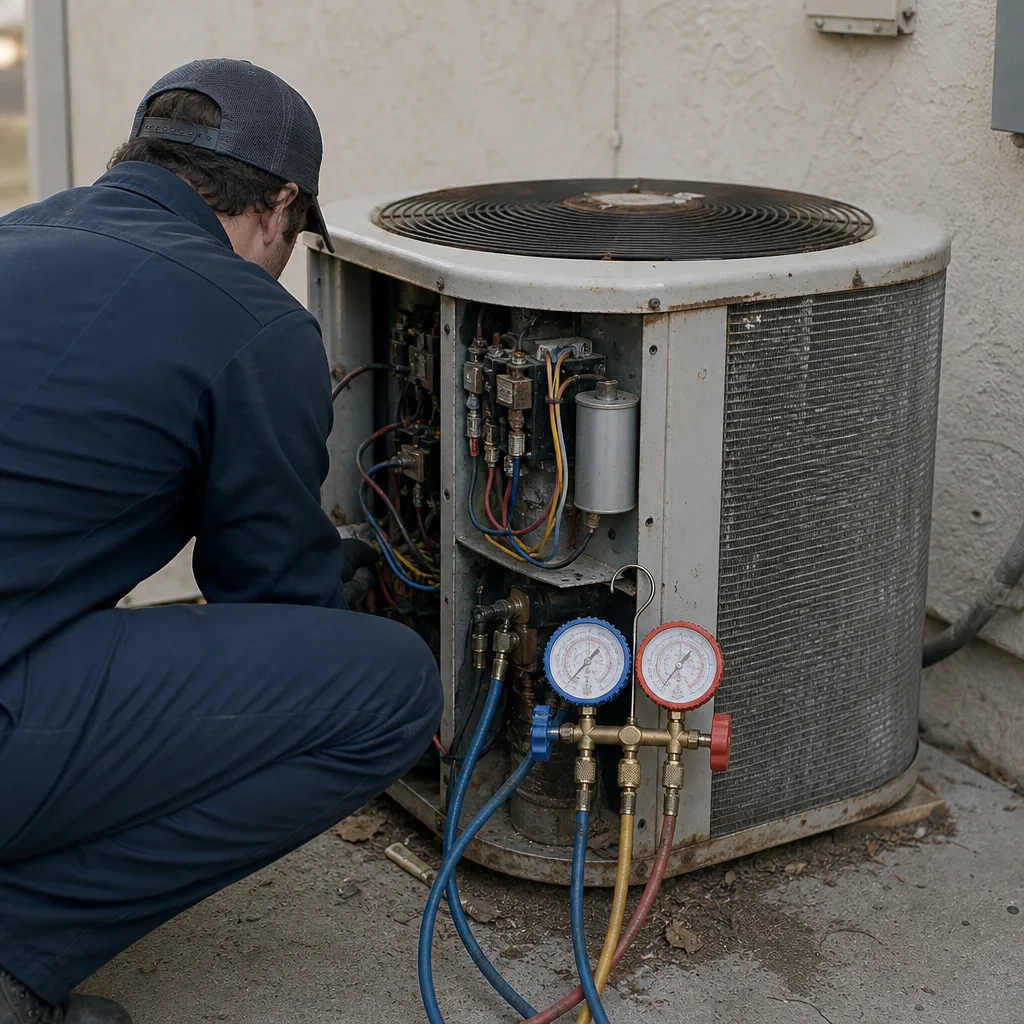 Before
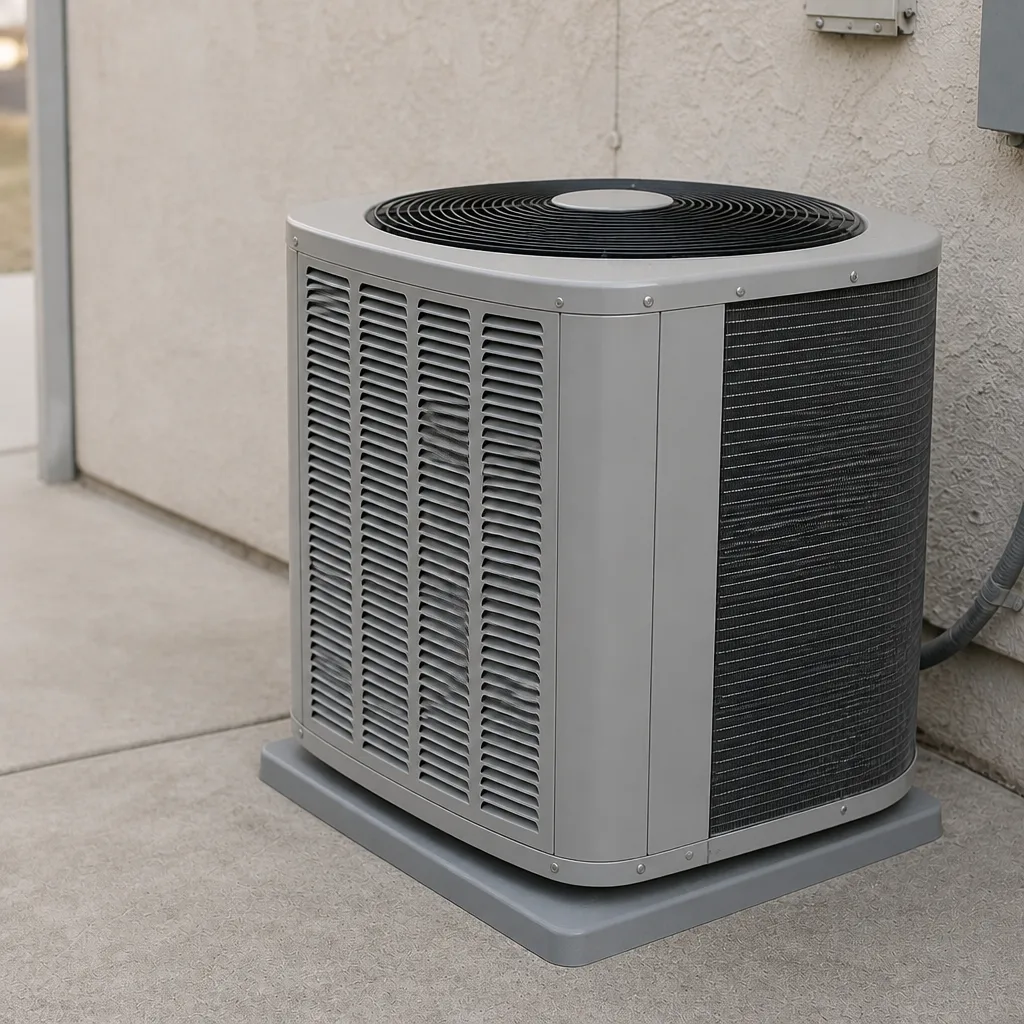 After
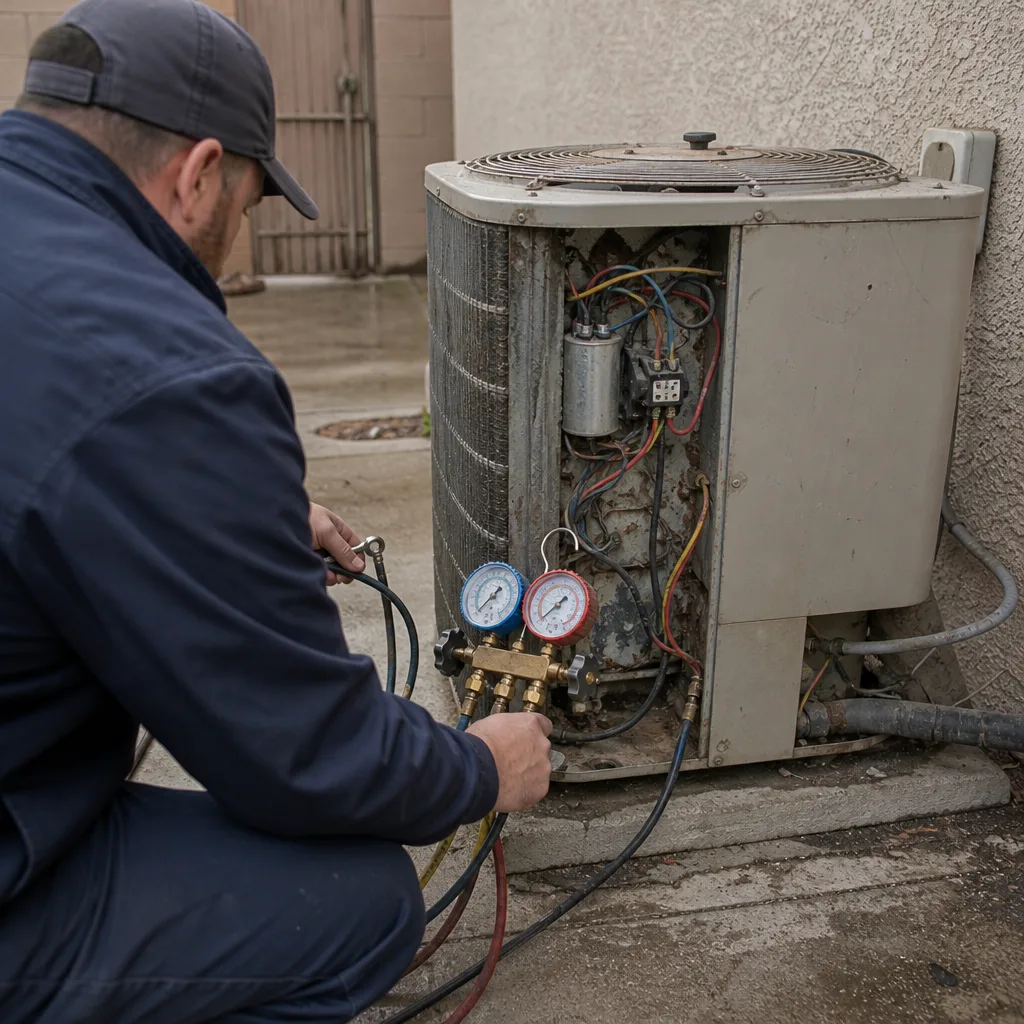 Before
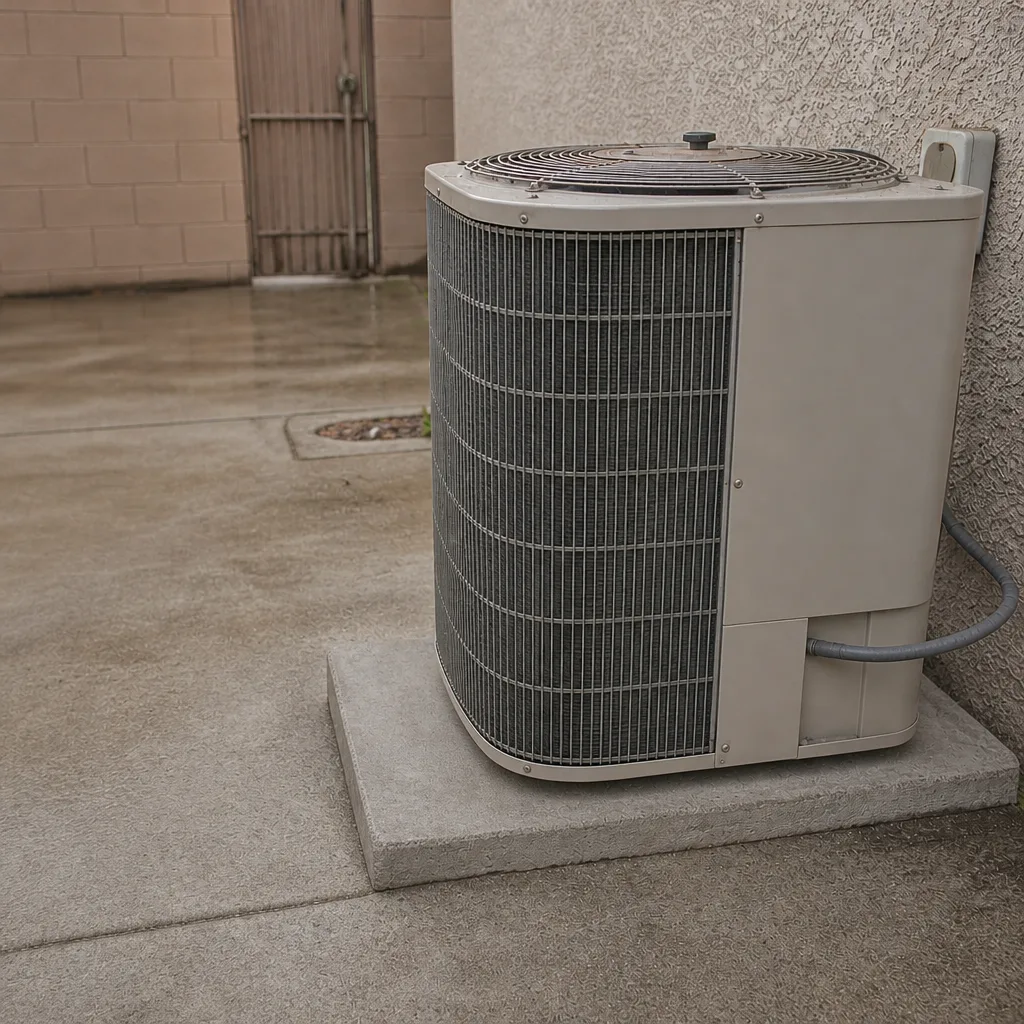 After
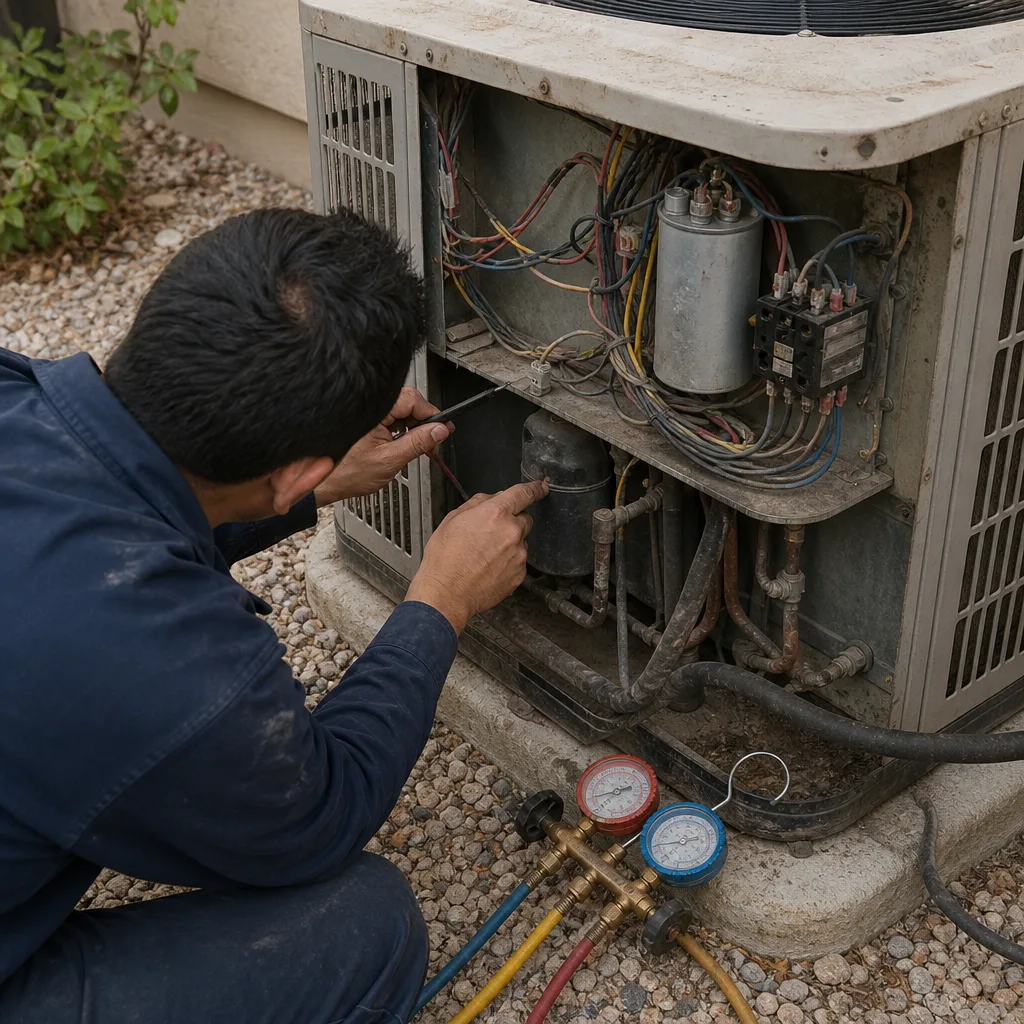 Before
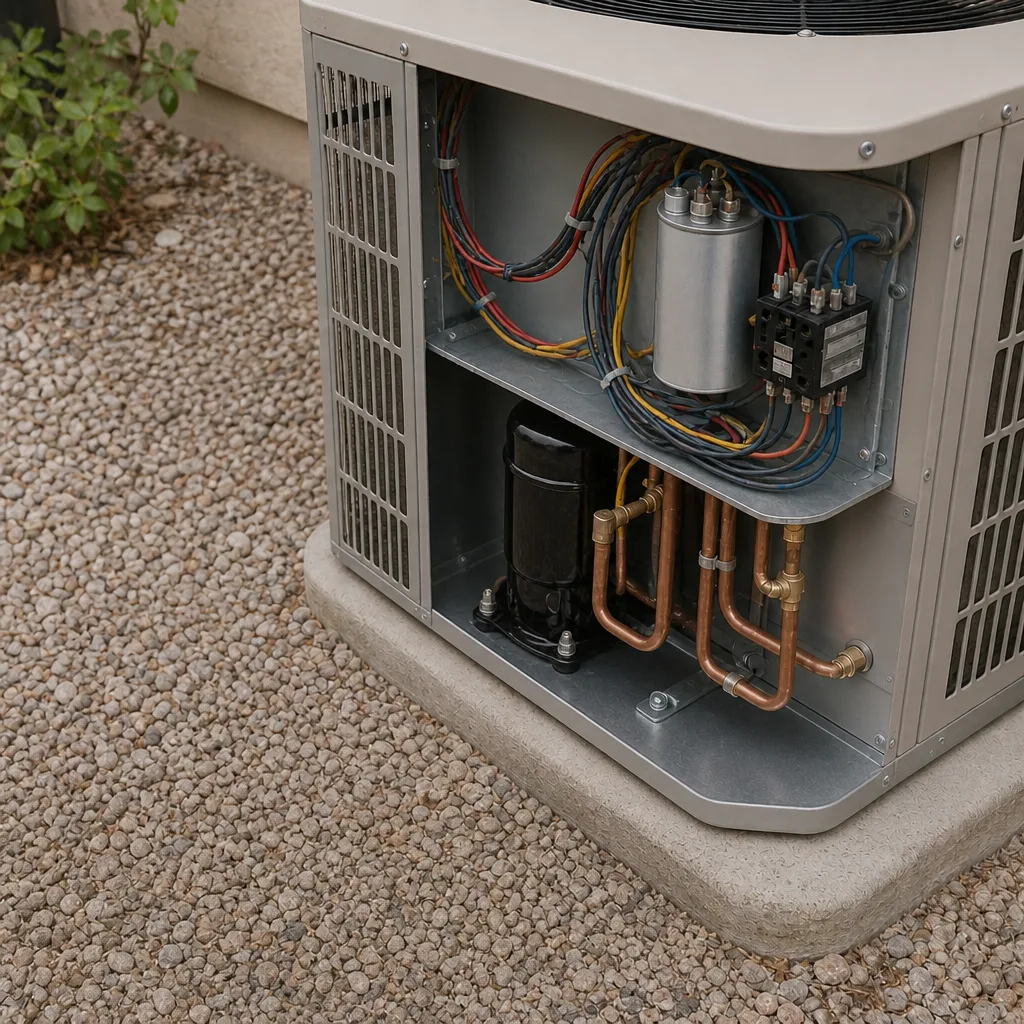 After
When to Call a Professional
Call a professional the moment the task touches refrigerant, the sealed system, a high-voltage component, or a full diagnosis. Call us if you smell burning, if a breaker trips repeatedly, if the outdoor unit won’t start, if ice forms on the coil, or if the system isn’t cooling on a hot Mesquite afternoon. Those symptoms point to problems that are unsafe to chase alone and fast to diagnose with the right tools. A seasoned technician reads the pressures, the electrical draw, and the fault history, then tells you plainly what’s wrong and what it will cost. AC Replacement Mesquite offers free estimates in Mesquite – call (866) 764-5851. We answer 24/7, and we run fast dispatch from 7am to 7pm, Sunday through Friday.
Frequently Asked Questions
No. Handling refrigerant requires an EPA Section 608 certification, and doing it without one is a federal violation with steep penalties. A recharge also requires gauges and a recovery setup to prevent leaks and contamination. Call (866) 764-5851 for a free estimate from a licensed technician.
No, a filter change is a homeowner task and doesn’t affect coverage. What can void a warranty is unlicensed installation, undocumented maintenance, or refrigerant work without certification. Keep a dated record of maintenance, and let a licensed technician handle anything inside the sealed system.
It catches refrigerant charge problems, electrical draw issues, static pressure restrictions, and early compressor wear, all of which are invisible from a homeowner’s vantage point. In our experience, a fast accurate diagnosis in Mesquite’s heat is what prevents a small repair from turning into a full replacement. Call (866) 764-5851 to schedule one.
Repair usually wins when the equipment is young and the fix is small; replacement tends to win when the system is near the end of its life and the repair is a large sealed-system job. The right answer depends on the pressure readings, the age, and the estimated costs, which a diagnostic visit provides. Call (866) 764-5851 for a free estimate that lays the numbers out plainly.
We service nine major brands – Carrier, Trane, Lennox, Goodman, Rheem, York, Daikin, Bryant, and American Standard – so we can work on nearly every major brand, including yours. That multi-brand capability means the recommendation follows your home and budget, not a single manufacturer.
The heat load magnifies any airflow or refrigerant problem until the system fails, so a small gap or a slightly low charge that would survive in a mild climate can destroy equipment in one Mesquite summer. That’s why filter seating, static pressure, and the condensate line are worth checking on a schedule. Call (866) 764-5851 if a symptom persists.
The Bottom Line
The DIY-versus-pro line in Mesquite isn’t about confidence. It’s about refrigerant law, warranty language, and how fast a small mistake compounds in extreme heat. Handle your filters, thermostat, fins, and condensate line yourself; those tasks are safe, legal, and they catch problems early. Leave anything that touches the sealed system, the compressor, the electrical panel, or a full diagnosis to a licensed technician, and keep a dated maintenance record for warranty protection. A specialist diagnoses faster in this climate, and a free estimate is the fastest way to know where you stand. Call (866) 764-5851. We answer 24/7. Fast dispatch from 7am to 7pm, Sunday through Friday.
Written by the team at AC Replacement Mesquite.