
Last updated November 17, 2026
 Furnace & heating
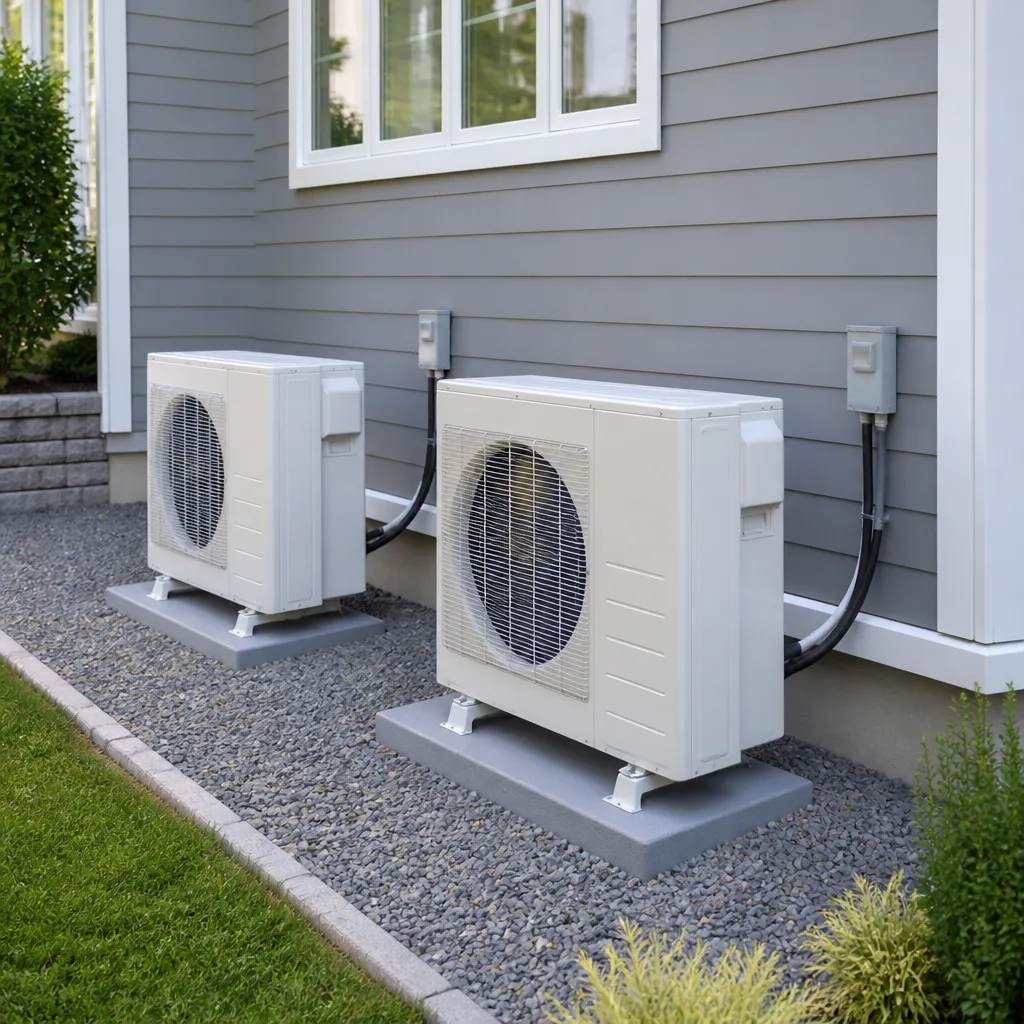 Heat pumps
 Ductless mini splits
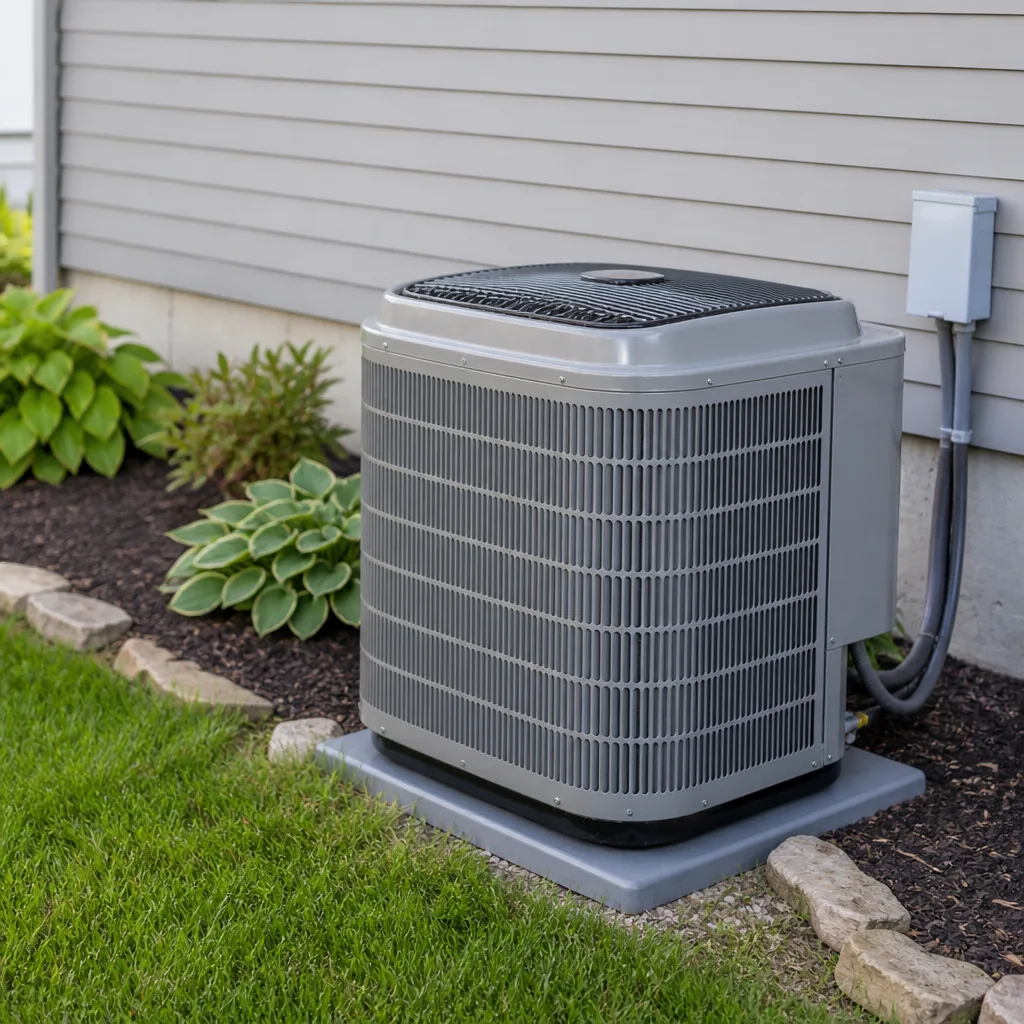 Carrier
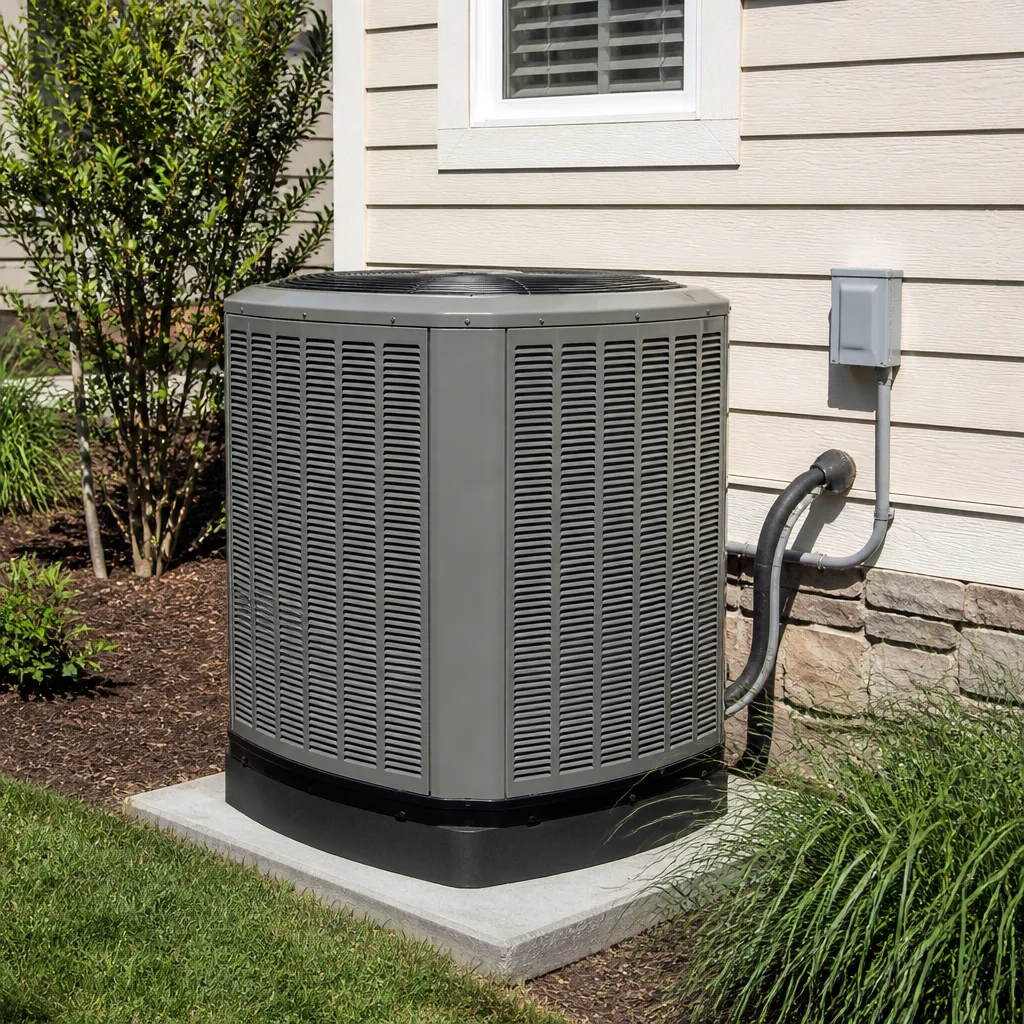 Trane
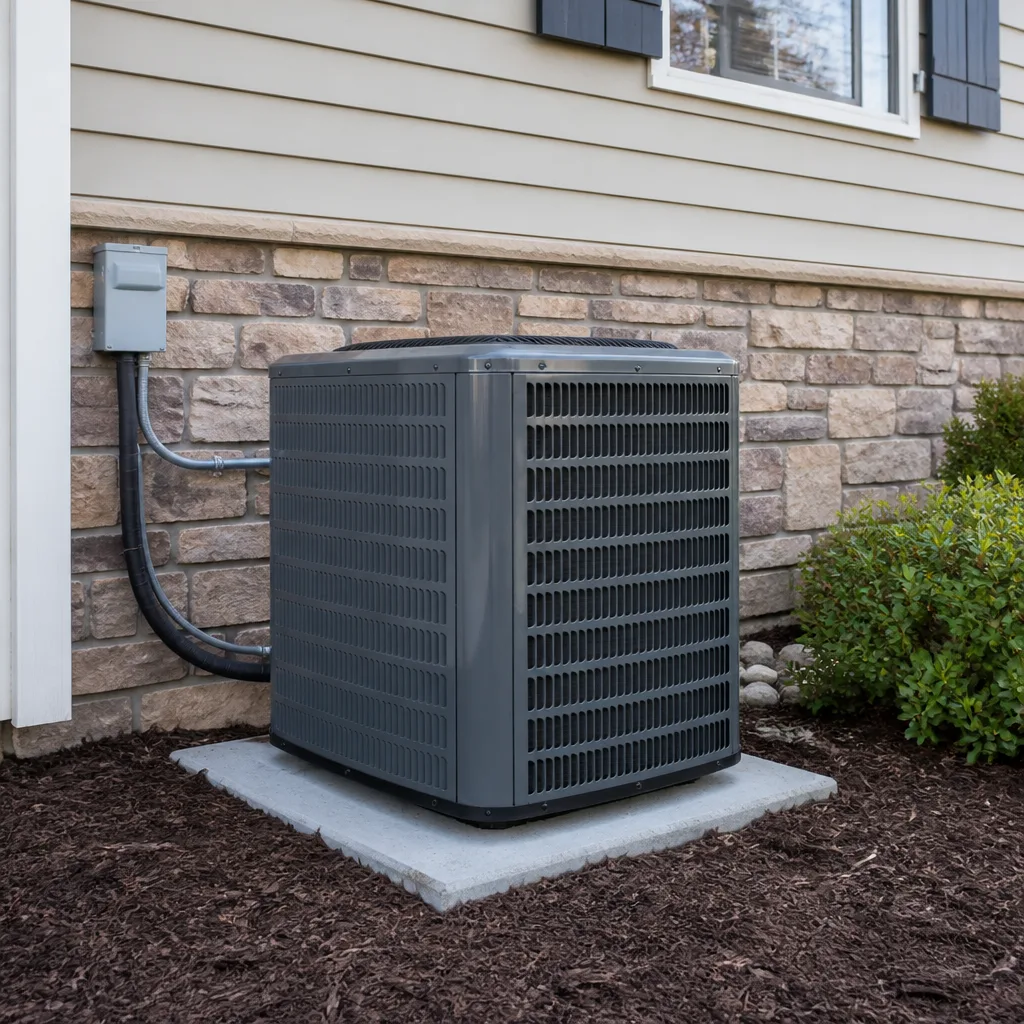 Goodman
Seasonal tune-up and full diagnostic on your Carrier, Trane, or Goodman system - readings shown to you before any repair is proposed
Diagnosis first, numbers second - you approve the repair price before a single part goes in.
Get your free estimateAC Repair Maintenance Checklist for Mesquite Homeowners
The most common reason an air conditioner in the desert dies early isn’t old age. It’s airflow restriction that builds up quietly, load that never lets up, and maintenance tasks that get skipped because nobody explained why they matter in dry heat. A condenser coil clogged with dust, a drain pan scaled with hard water, a capacitor baking at 110 degrees – none of these announce themselves. They just make the compressor work harder until it quits. This guide is a working checklist built around the failure points we actually see in Mesquite, not a generic list copied from a manufacturer pamphlet. Read it once, keep it, and use it through the cooling season.
Quick Answer
A proper AC maintenance checklist for a Mesquite home covers four things: cleaning the condenser coil (often twice a season here because of dust), flushing the condensate drain and checking the pan for hard-water scale, testing the capacitor and contactor under load, and logging refrigerant pressures so you can spot a slow leak over time. Pre-season work happens in April before first heavy use; post-season work happens in October when the system shuts down. Skipping any of these in desert heat shortens equipment life and raises repair costs later.
Styles & brands we work with
- AC installation
- Furnace & heating
- Heat pumps
- Ductless mini splits
- Carrier
- Trane
- Goodman
Table of Contents
- Why Mesquite’s Climate Writes a Different Checklist
- Condenser Coil Cleaning: Twice a Season, Not Once
- Hard Water and Your Condensate Drain Pan
- Capacitors and Contactors: The Mid-Season Check Most People Skip
- Why You Should Log Refrigerant Pressures
- The April Pre-Season Checklist
- The October Shutdown Checklist
- Monthly Habits That Prevent Costly Repairs
Why Mesquite’s Climate Writes a Different Checklist
Mesquite sits in the Virgin River valley at the edge of the Mojave, and the local climate creates problems a checklist written for a mild coastal city simply doesn’t address. Summers push well past 100 degrees for months at a stretch, which means the AC isn’t cycling on and off – it’s running near-continuously. Continuous run at high outdoor temperature is the single biggest stress factor on a residential system, more than any single component. Compressors, capacitors, and fan motors all age faster when they can’t cool down between cycles.
Then there’s dust. This part of Nevada gets wind-driven particulate from open desert, construction activity, and dry agricultural surroundings. That dust loads on the outdoor condenser coil from the outside in. A coil that’s 20% blocked can lose a meaningful amount of its ability to reject heat, which raises head pressure and forces the compressor to work harder. We work on Lennox, Goodman, York, Rheem and five other major brands across the area, and the dust pattern is the same on all of them – the coil is where the problem starts.
Hard water is the third factor. Mesquite’s municipal water is mineral-heavy, and some homes run evaporative coolers alongside refrigerated air. Even a dedicated AC unit produces condensate, and that condensate carries minerals from the coil and the air. Over a season, scale builds on the drain pan and in the drain line. When it finally clogs, water overflows and you get ceiling or drywall damage. None of this is exotic – it’s just what desert maintenance actually looks like.
Condenser Coil Cleaning: Twice a Season, Not Once
Most manufacturer literature recommends cleaning the outdoor condenser coil once a year. In Mesquite, we recommend twice – once in April before the cooling season and once in July or early August at the midpoint. The reasoning is straightforward: the dust load here is heavy enough that a coil cleaned in spring has meaningful buildup by midsummer. A coil that’s visibly gray on the outside surface is already restricting heat transfer, even if it doesn’t look “blocked.”
Here’s what cleaning actually involves, and why the timing matters:
- Kill power at the disconnect before touching anything at the outdoor unit. The contactor and capacitor hold charge.
- Clear debris from the top and sides – leaves, cottonwood fluff, and dust mats form a blanket over the fins. A soft brush lifts most of it.
- Rinse the fins from the inside out with a garden hose on low pressure. High pressure bends fins permanently and creates a worse airflow problem than you started with.
- Straighten bent fins with a fin comb where you see crushing from lawn equipment or foot traffic.
- Check clearance – the unit needs breathing room on all sides. Shrubs, fencing, or stored items within a couple feet choke it.
What you don’t want to do is spray coil cleaner indiscriminately on a dry coil in full sun. It can etch the aluminum. If the coil is heavily soiled or partially blocked by dust inside the cabinet, a technician can pull the fan and clean it properly – that’s part of a real AC Replacement Mesquite evaluation when someone is trying to decide between a repair and a new system. If the coil is clean and the system still runs hot, the problem is elsewhere.
Hard Water and Your Condensate Drain Pan
The evaporator coil sits inside the air handler, and it produces condensate all summer. That water drains into a pan and out through a PVC line. In a hard-water area like Mesquite, minerals from the condensate and from the coil surface deposit on the pan floor and inside the drain line. The scale looks like a chalky white film at first, then becomes crusty. When it thickens enough, water backs up.
A backed-up drain doesn’t just drip – it can soak the ceiling below an attic unit, damage the air handler’s cabinet, and in some cases trip a float switch that shuts the system down. The good news is that this is entirely preventable with a few minutes of inspection:
- Look at the pan once a month during the cooling season. Any standing water is a signal.
- Check for white scale on the pan floor and along the drain fitting. If it’s visible, flush the line.
- Pour a cup of white vinegar down the drain opening every few weeks to slow mineral buildup. It’s cheap and effective.
- Inspect the float switch – if your system has one, make sure it moves freely and isn’t stuck.
- Confirm the drain line runs downhill with no low spots where water can pool and trap debris.
In our experience, a scaled pan is the second most common maintenance issue behind dirty coils in this climate. It’s also the easiest to catch early. A technician servicing the system can flush the drain and check the pan as part of a standard tune-up. If you already suspect the drain was ignored, it’s worth having the system looked at before summer hits – our AC repair team handles drain and pan issues routinely.
Capacitors and Contactors: The Mid-Season Check Most People Skip
Most annual maintenance visits happen in spring. That’s fine for coils and drains, but the components that fail mid-summer – the run capacitor and the contactor – aren’t really tested by a spring check. They fail under sustained high-temperature load, which is exactly what a Mesquite July produces. This is why a mid-season visit is genuinely worth it here in a way it may not be in cooler climates.
What those parts do, briefly:
- The run capacitor gives the compressor and outdoor fan motor the phase shift they need to run efficiently. It degrades gradually. A weak capacitor makes the compressor draw more current and run hotter, shortening its life.
- The contactor is a relay that closes the 240-volt circuit to the compressor and fan. Its contacts pit and burn over time, and in dusty conditions the contacts get contaminated. A pitted contactor chatters, arcs, and eventually fails to engage at all.
A technician tests a capacitor with a meter under no load and compares it to rated microfarads. A contactor is inspected visually and by checking coil voltage. Both are inexpensive parts; the value is in catching them before they strand you during a heat wave. We see the same pattern on York and Rheem systems as on anything else – heat is the common denominator, not brand. Adding a mid-season capacitor and contactor check to your list is one of the highest-return items in this guide.
Why You Should Log Refrigerant Pressures
Refrigerant doesn’t get “used up” – a sealed system holds the same charge forever unless it leaks. The problem is that small leaks are slow, and a system that’s running 10% low on charge still cools, just less efficiently, while the compressor works harder than it should. By the time the homeowner notices “it isn’t cooling like it used to,” the leak has usually been there for a season or more.
Rather than checking pressures reactively when something feels wrong, keep a simple log. Every time a technician services the system, write down the suction and liquid line pressures, the outdoor and indoor temperatures, and the date. Over two or three seasons you build a trend line. If pressures start drifting in the same direction, you have evidence of a slow leak before it becomes a compressor-killer.
- Ask for readings at every service visit. Any competent technician can provide them.
- Record outdoor and indoor temperature at the time – pressures are only meaningful relative to ambient conditions.
- Keep the log with your system paperwork, near the air handler or in a home file.
- Compare across seasons. A pound or two of drift over a full year is worth investigating.
This is the kind of detail that separates a real maintenance relationship from a one-time tune-up. We work with homeowners long-term across Mesquite specifically so we can see what’s changing on a particular system over time – not just whether it passes a single annual inspection. If your system is newer, this data is even more valuable, because you have a clean baseline. If it’s older, the log tells you whether repair is still the right call or whether AC installation is finally on the horizon.
The April Pre-Season Checklist
April in Mesquite is the transition point. Days are warming but the AC isn’t yet running flat out. That makes it the right window to do the heavier work without leaving the house hot. Here’s what should happen before first heavy use:
- Clean or inspect the condenser coil. Rinse and clear debris from the cabinet.
- Replace the air filter. A fresh filter is the cheapest airflow fix there is. In dusty conditions, plan on a monthly filter change through the cooling season.
- Inspect and clear the condensate drain and pan. Flush the line, look for scale, confirm the float switch moves.
- Test the capacitor and contactor. Record readings for comparison later.
- Check refrigerant pressures and log them. Baseline numbers before summer load are worth having.
- Inspect the outdoor disconnect and wiring. Tight connections, no rodent damage.
- Run the system through a full cooling cycle and confirm the supply air is cold and the outdoor fan runs smoothly.
- Check thermostat calibration. A thermostat reading a degree off is a quiet efficiency loss.
Homeowners running older systems – a Goodman from the late 2000s, a York that predates the current efficiency standard, or anything that hasn’t been serviced in two years – should consider a full pre-season tune-up rather than a quick filter change. The pre-season visit is where most small issues get caught before they become mid-July repairs. If you’re on the fence, book the tune-up; it’s the lowest-cost way to protect a system you’re going to depend on for months.
The October Shutdown Checklist
When the cooling season winds down in Mesquite, the system tends to get ignored for a few months. That’s a mistake. The October shutdown visit is when you set up the system to sit cleanly through winter and start the next season in good shape.
- Change the filter one last time so it isn’t sitting loaded all winter.
- Flush the condensate drain and check the pan for scale. Any buildup that’s going to cause an overflow next year starts here.
- Clean the outdoor coil of dust and debris before the unit sits – avoids corrosion and keeps things clean for spring.
- Inspect the outdoor cabinet for loose panels, bent fins, and evidence of rodents or insects that found shelter.
- Test the capacitor and note any decline in microfarads.
- Log final-season pressures so you have a full-year comparison.
- Cover the outdoor unit if you’re in a windy area, but only if your manufacturer allows it. Some systems should stay uncovered to avoid condensation inside the cabinet.
October is also the right time to talk about replacement if the year’s repairs were adding up. Fall is a much better window for installation than a hot-weather emergency, because the schedule is more forgiving. If you’re already thinking about a new system, our Mesquite team can walk you through options without pushing a particular brand – we work on nine major brands and recommend what fits your home and budget, not what’s easiest for us to sell.
Monthly Habits That Prevent Costly Repairs
The heavy lifting happens pre-season and post-season, but small monthly habits catch problems in between. None of these take long, and together they’re the difference between a system that lasts its full expected life and one that starts needing repair calls in year eight.
- Change or clean the filter every month during cooling season. Dust is relentless here, and a restricted filter is the number-one airflow problem we find.
- Look at the outdoor unit for obvious debris, weed growth, or items stored against it.
- Listen for changes in sound – grinding, clicking, or a fan that cycles on and off repeatedly.
- Check the drain pan for water.
- Note any rooms that feel warmer than they used to. A cooling inconsistency is often the first sign of a problem.
- Watch for dust trails near the supply registers, which can indicate duct leakage as much as filter loading.
Common Mistakes to Avoid
- Treating annual maintenance as enough for desert conditions. Once-a-year coil cleaning is fine in a mild climate, but in Mesquite the dust load usually warrants a mid-season check as well.
- Ignoring the drain pan until it overflows. Hard-water scale builds silently. By the time water is dripping, you’re paying for drywall repair on top of the AC fix.
- Using high-pressure water on the condenser coil. It bends fins, restricts airflow, and creates a worse problem than the dust it was meant to remove.
- Skipping the mid-season capacitor and contactor check. These are the parts that fail fastest in extended heat, and they’re inexpensive to replace before they strand you.
- Never logging pressures. A system that’s slowly losing charge looks fine until the compressor dies. A written log catches the trend early.
- Assuming any brand needs a specific technician. Most residential systems – Lennox, Goodman, Rheem, York and the rest – use comparable components and follow similar service procedures.
- Leaving the outdoor unit surrounded by clutter. Stored items, overgrown landscaping, and fencing close to the cabinet all restrict airflow and shorten equipment life.
See the difference
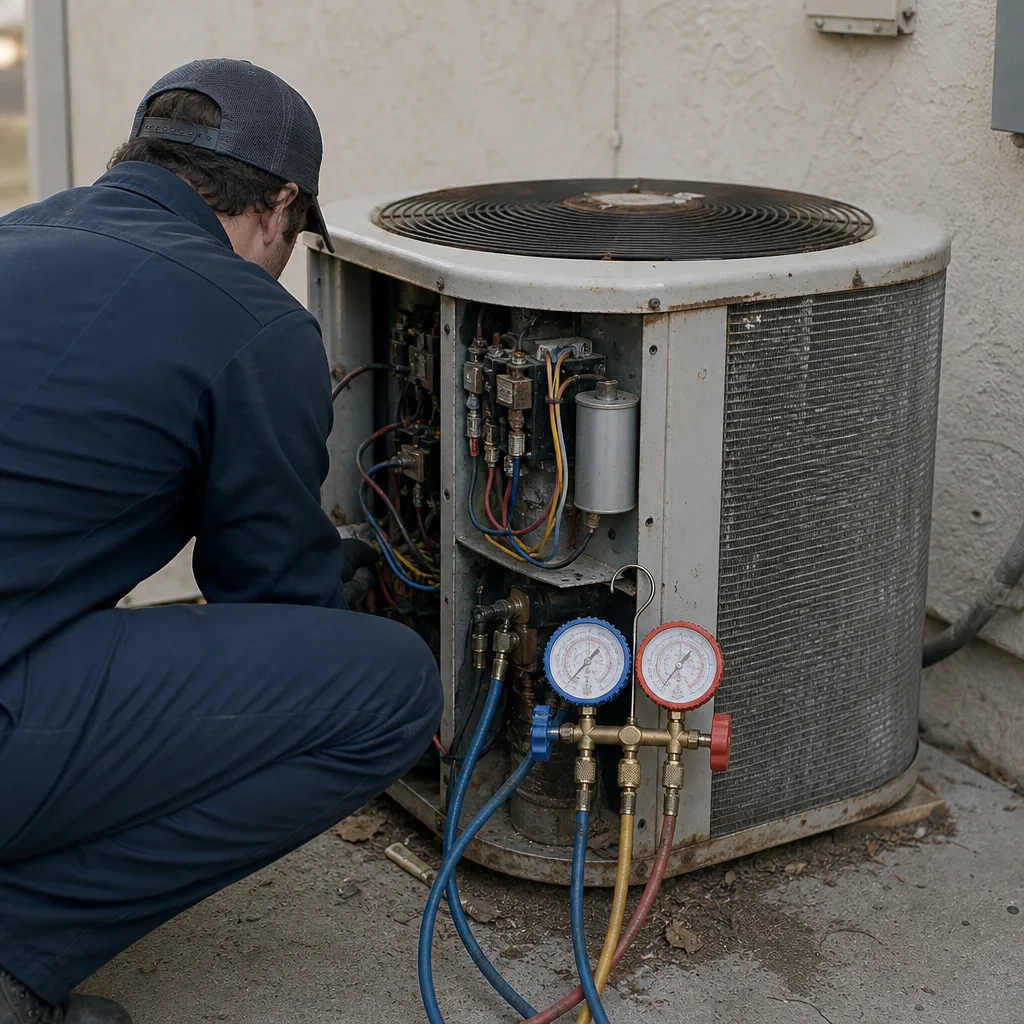 Before
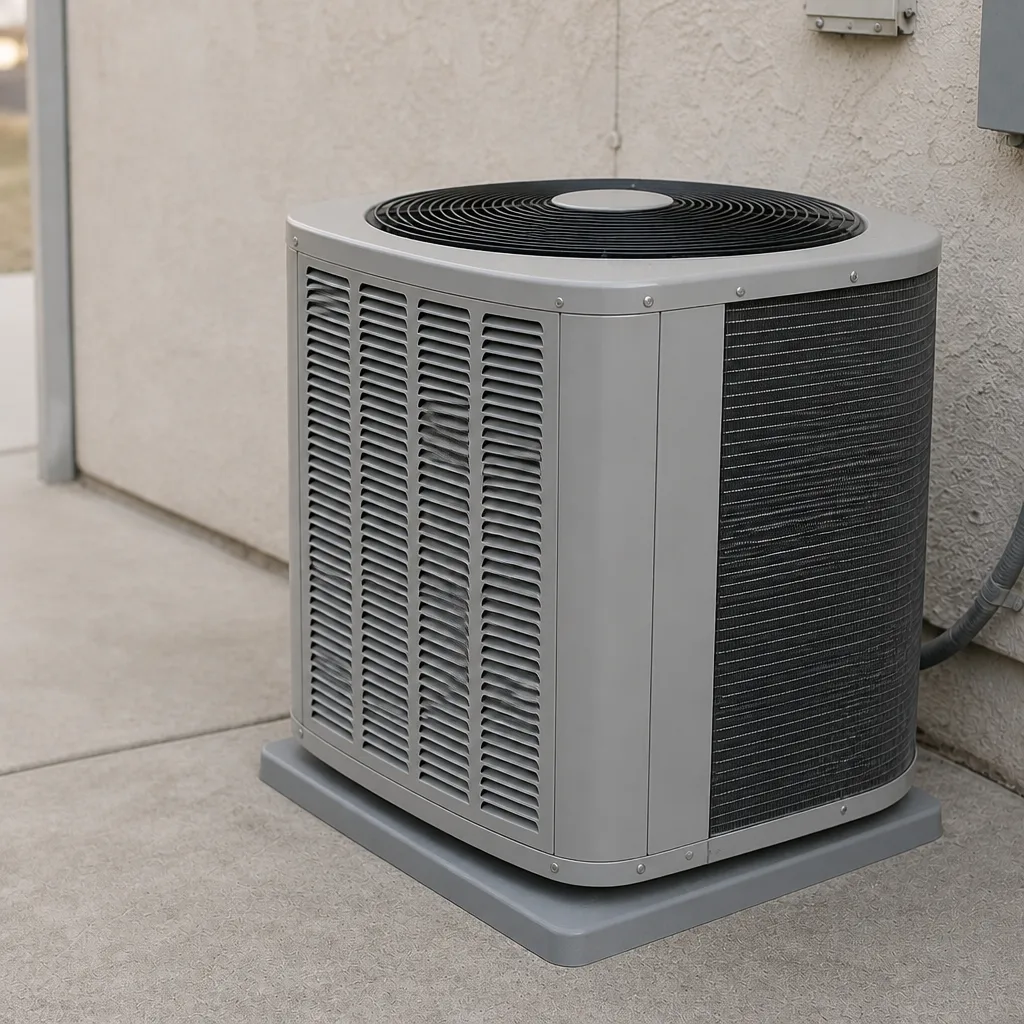 After
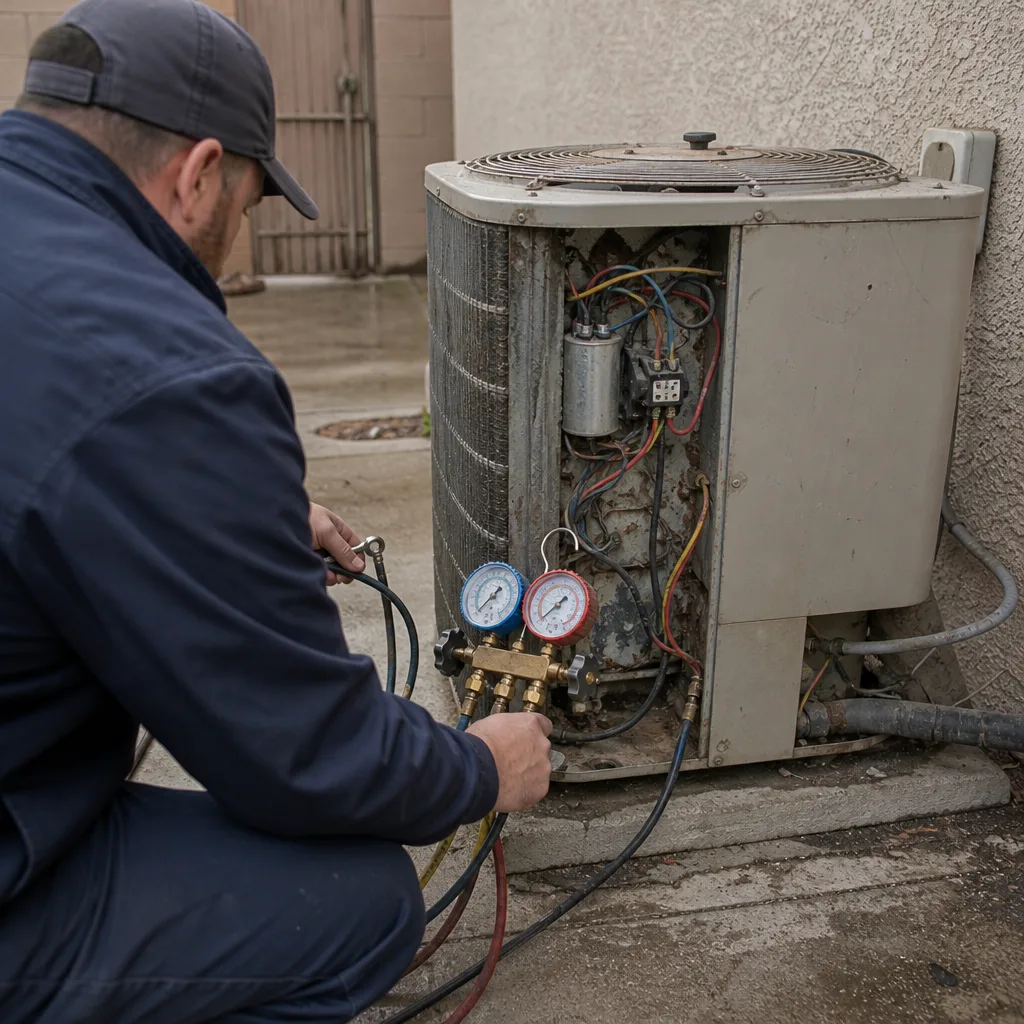 Before
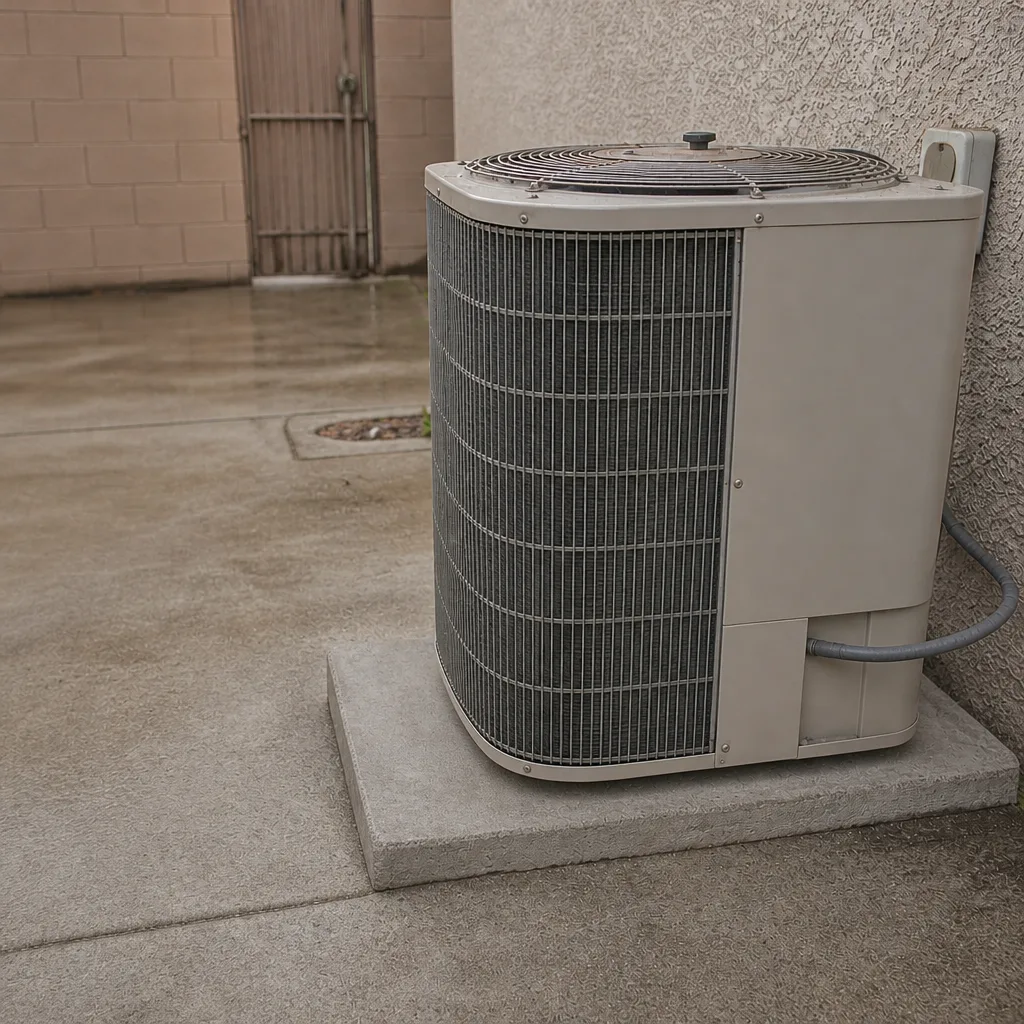 After
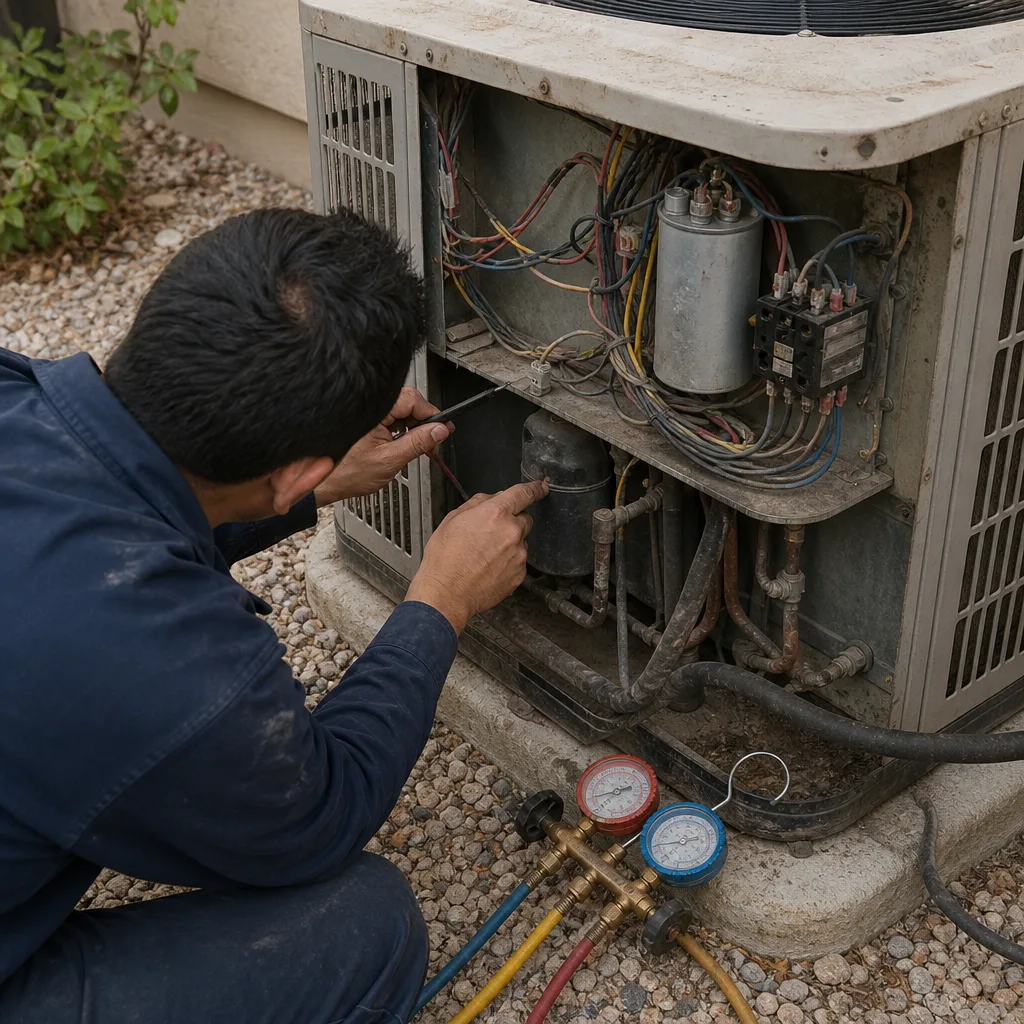 Before
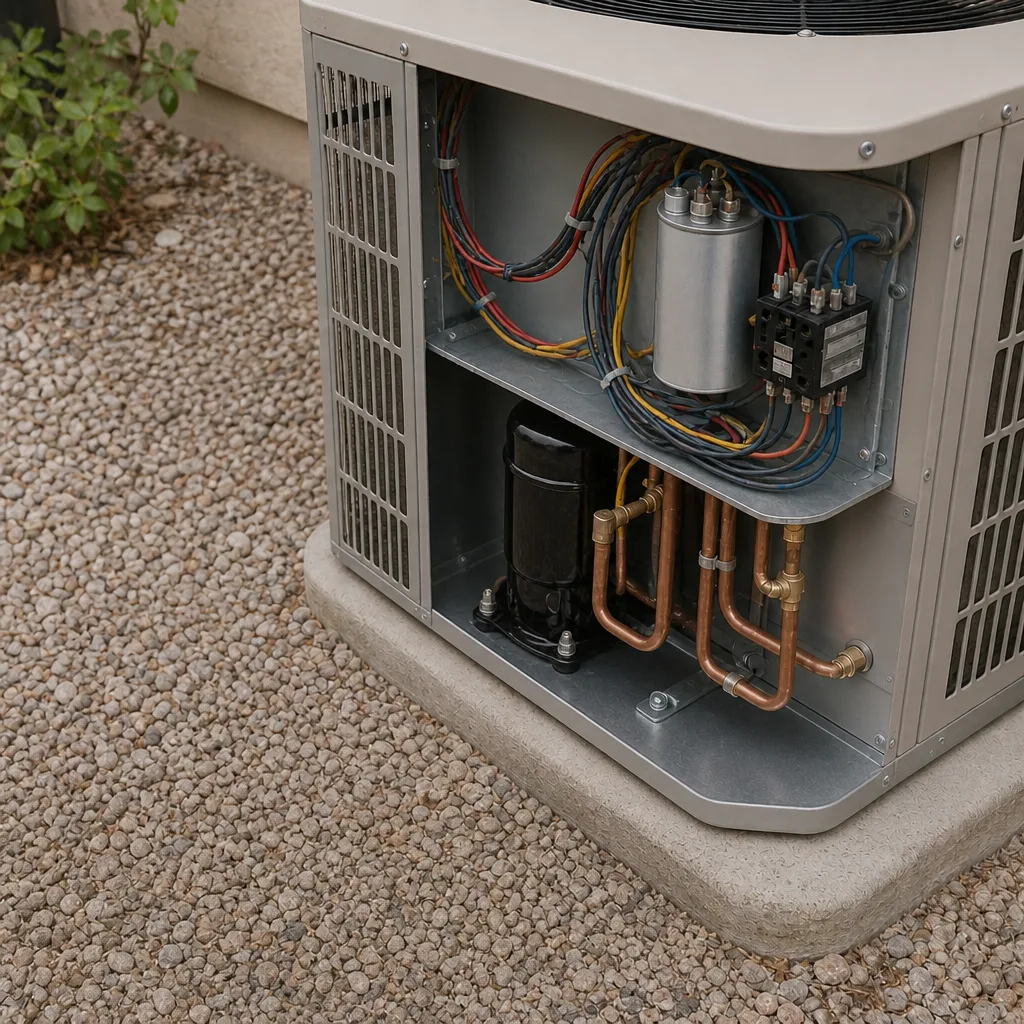 After
When to Call a Professional
Some maintenance is homeowner-friendly: filter changes, drain flushes, visual inspection, keeping the outdoor unit clear. Other work involves live electrical components or sealed refrigerant circuits, and that’s the point to call a technician. If you’re hearing the outdoor unit click off repeatedly, if the capacitor shows visible bulging, if the drain pan has standing water, if pressures are drifting, or if the system just isn’t cooling the way it used to – call before it becomes a bigger problem. Our technicians have up to 10 years of experience and we handle repair, installation, and maintenance as our entire scope of work. AC Replacement Mesquite offers free estimates in Mesquite – call (866) 764-5851 to schedule. We answer 24/7. Fast dispatch from 7am to 7pm, Sunday through Friday.
Frequently Asked Questions
Twice per cooling season is the right frequency for most Mesquite homes – once in April before heavy use and once around mid-summer. Dust intrusion from the surrounding desert is the main driver; a coil that stays clean in a milder climate can be meaningfully restricted here within four months of summer running. If the home is near construction, open desert, or agricultural land, the mid-season clean is more important, not less.
The condensate that forms on your evaporator coil carries trace minerals, and over a season those deposit as a chalky scale on the pan and inside the drain line. Pour a cup of white vinegar through the drain every few weeks to slow the buildup, check the pan monthly, and have a technician flush the line during the pre-season tune-up. Catching scale before it clogs the drain is far cheaper than repairing water damage.
Because small leaks are slow, and a system that’s 10% low still cools enough that homeowners don’t notice the decline. A written pressure log shows trends across seasons, which is the only reliable way to catch a slow leak before the compressor pays for it. Any technician can supply readings; the value comes from comparing them year over year.
Filter changes, drain flushes, and basic visual inspection are reasonable for a homeowner. Capacitor and contactor testing, refrigerant pressure checks, and anything involving the electrical panel or the sealed refrigerant circuit should be handled by a technician – those components carry live voltage and refrigerant work requires proper licensing and equipment. When in doubt, leave it to a trained professional.
April is about preparing for the heavy cooling load: clean coil, fresh filter, cleared drain, pressure baseline, and a full cooling-cycle test. October is about shutting the system down cleanly: finishing filter and drain work, cleaning the outdoor coil, inspecting for winter sheltering pests, and logging end-of-season pressures. Both visits matter; they serve different purposes.
Yes – sustained high-load operation is the main factor. When a system runs nearly continuously through 100-degree-plus summer days, capacitors and contactors fail faster than they would in a climate with shorter cooling seasons. That’s why the mid-season component check earns its place on this checklist in Mesquite in a way it wouldn’t necessarily in cooler locations.
The Bottom Line
A maintenance checklist that only repeats “change your filter and clean your coil” isn’t written for desert conditions. This one is: twice-a-season coil cleaning, hard-water attention to the drain pan, mid-season capacitor and contactor testing, and a written pressure log that catches slow leaks before they kill the compressor. Do the April prep, do the October shutdown, and keep the small monthly habits going in between. If you want a specialist who handles the full lifecycle – repair, installation, and ongoing maintenance across nine major brands – call (866) 764-5851 for a free estimate. We answer 24/7. Fast dispatch from 7am to 7pm, Sunday through Friday.
Written by the team at AC Replacement Mesquite.