
Last updated November 17, 2026
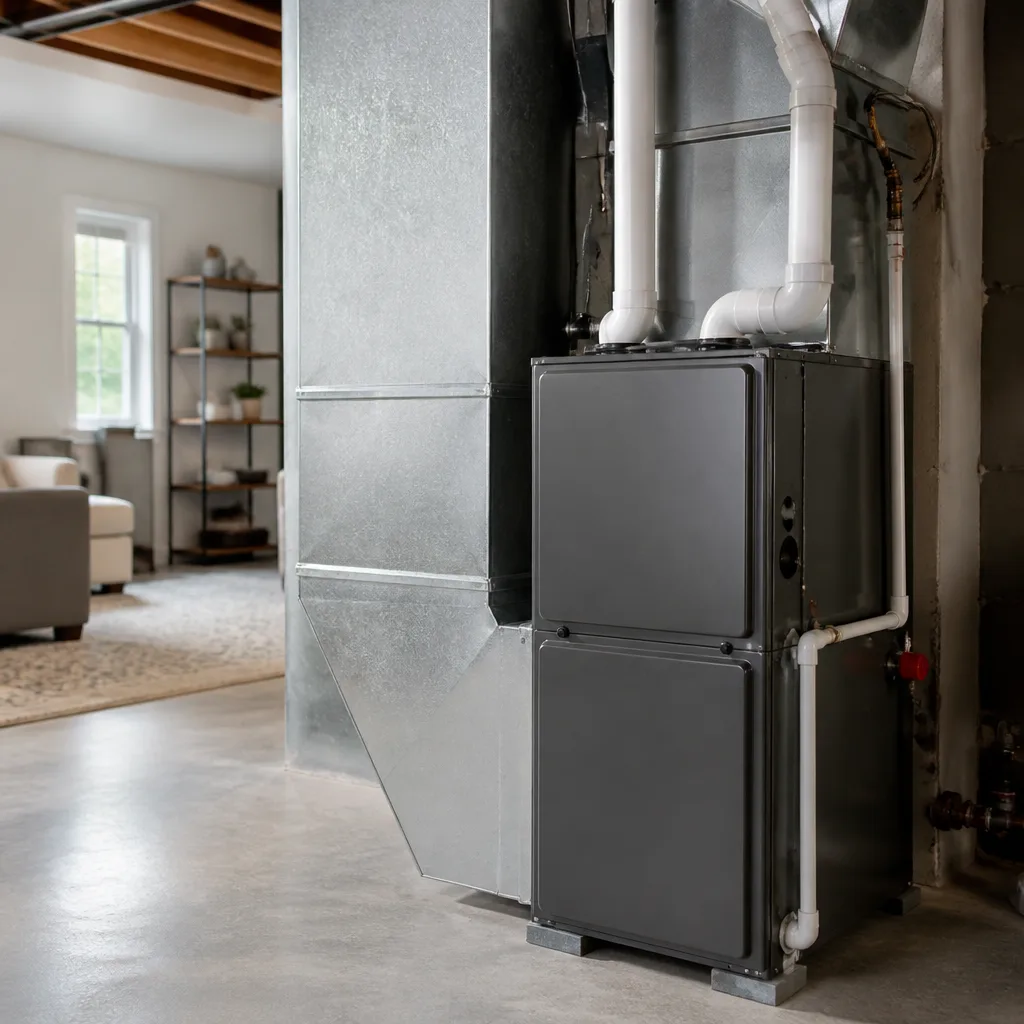 Furnace & heating
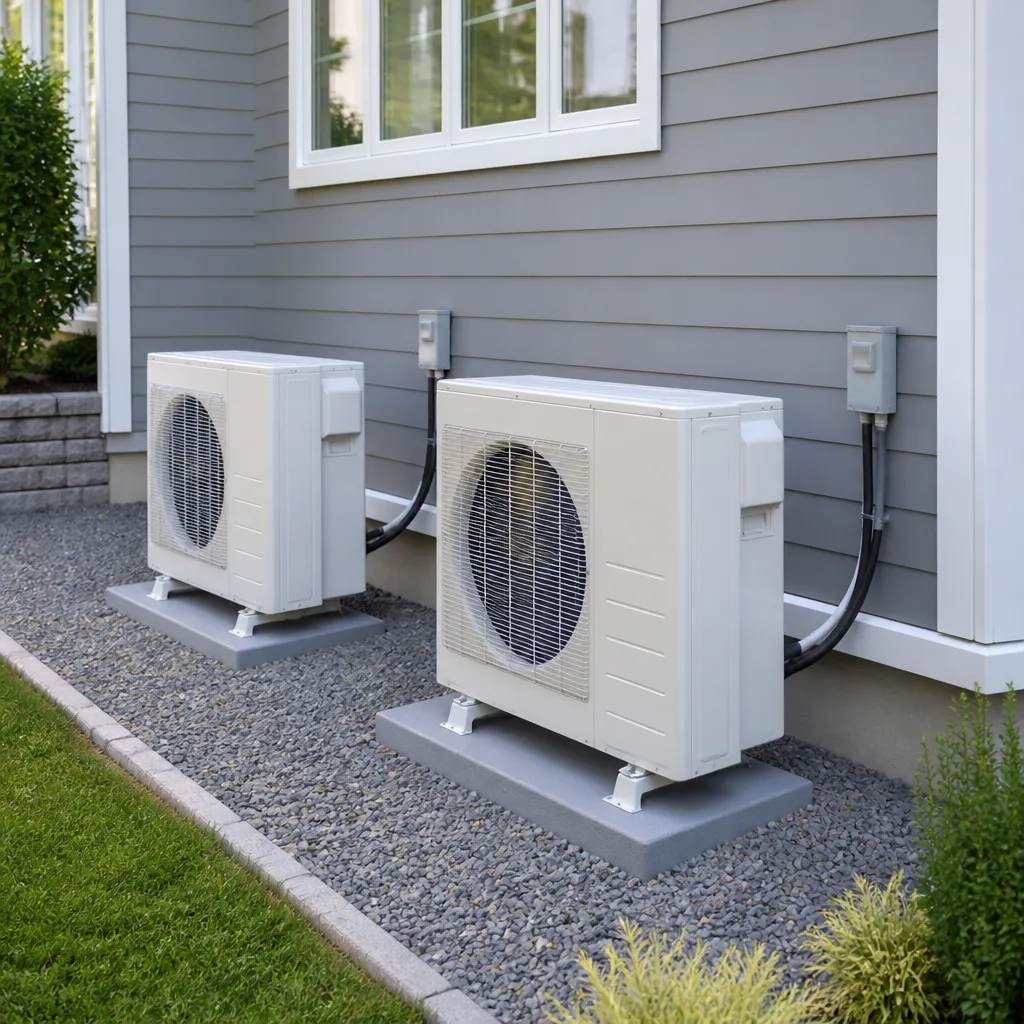 Heat pumps
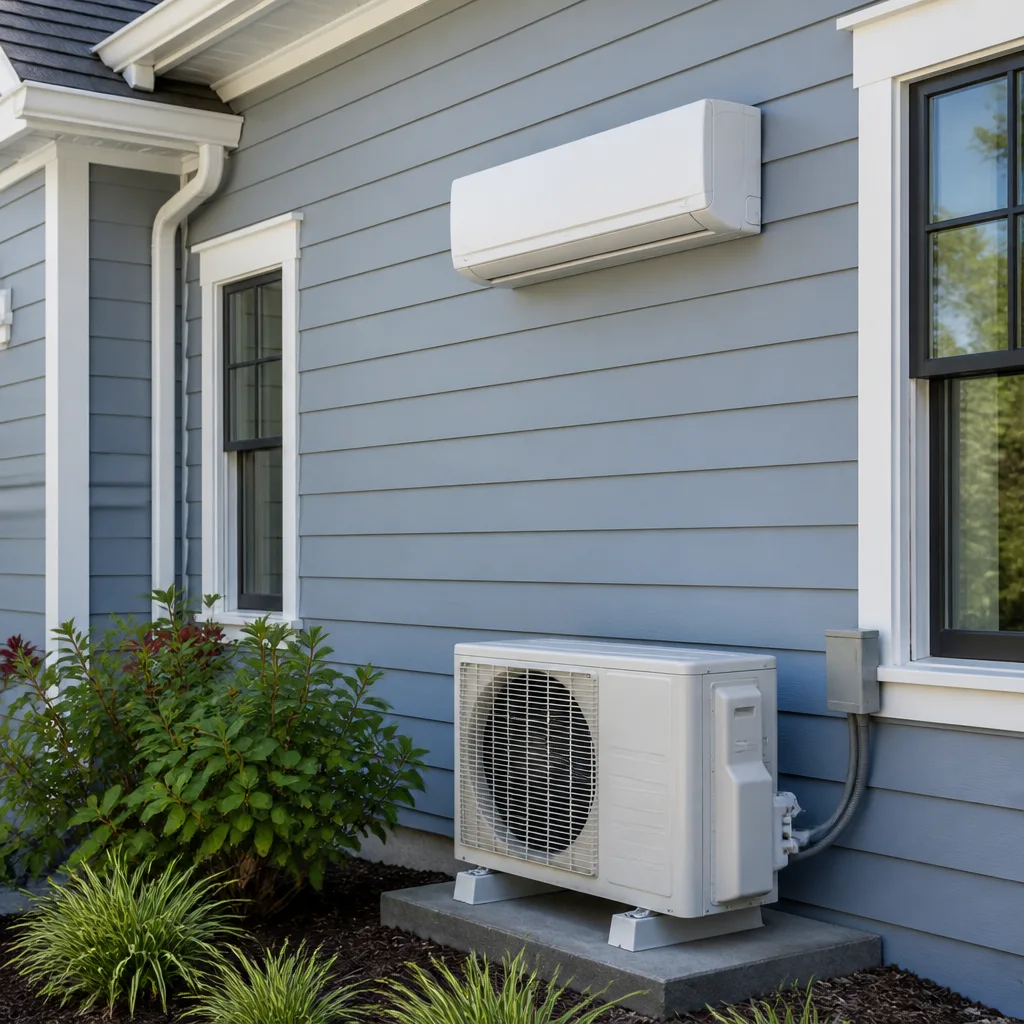 Ductless mini splits
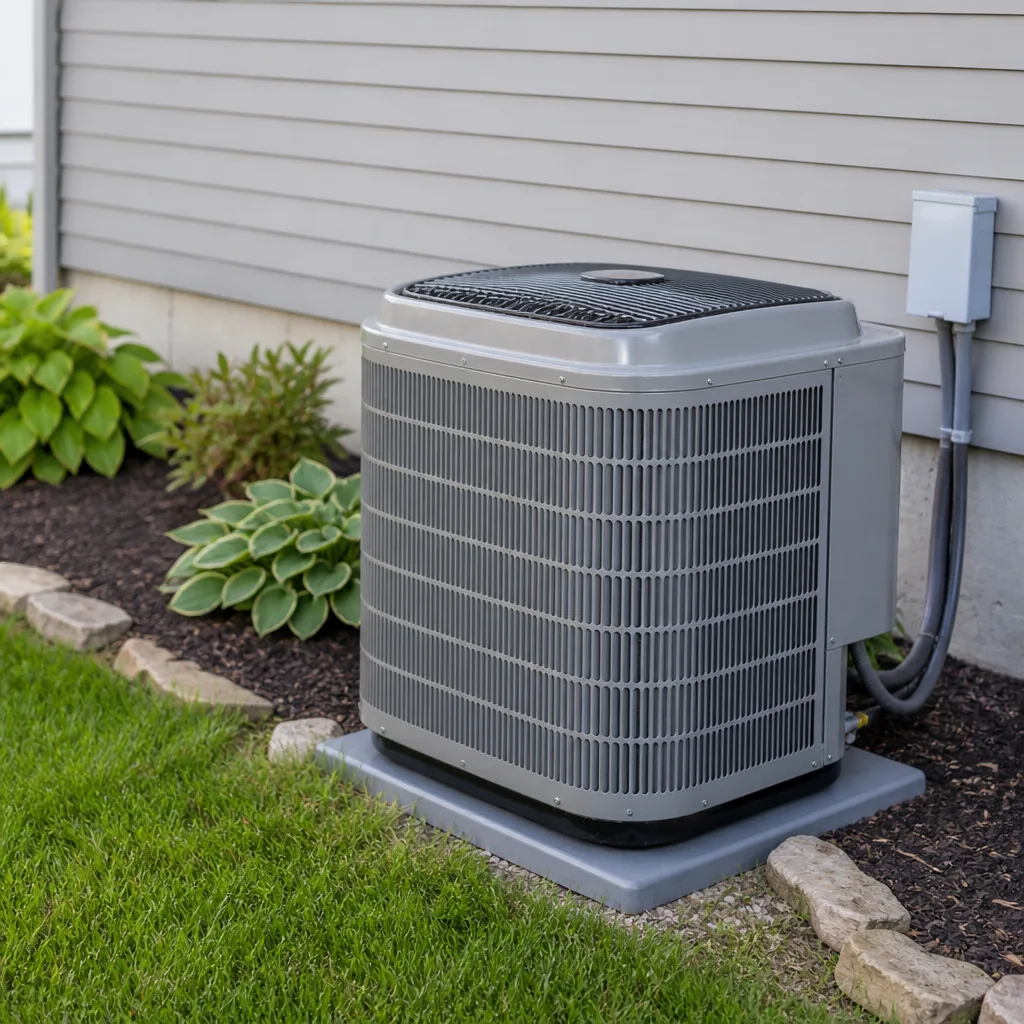 Carrier
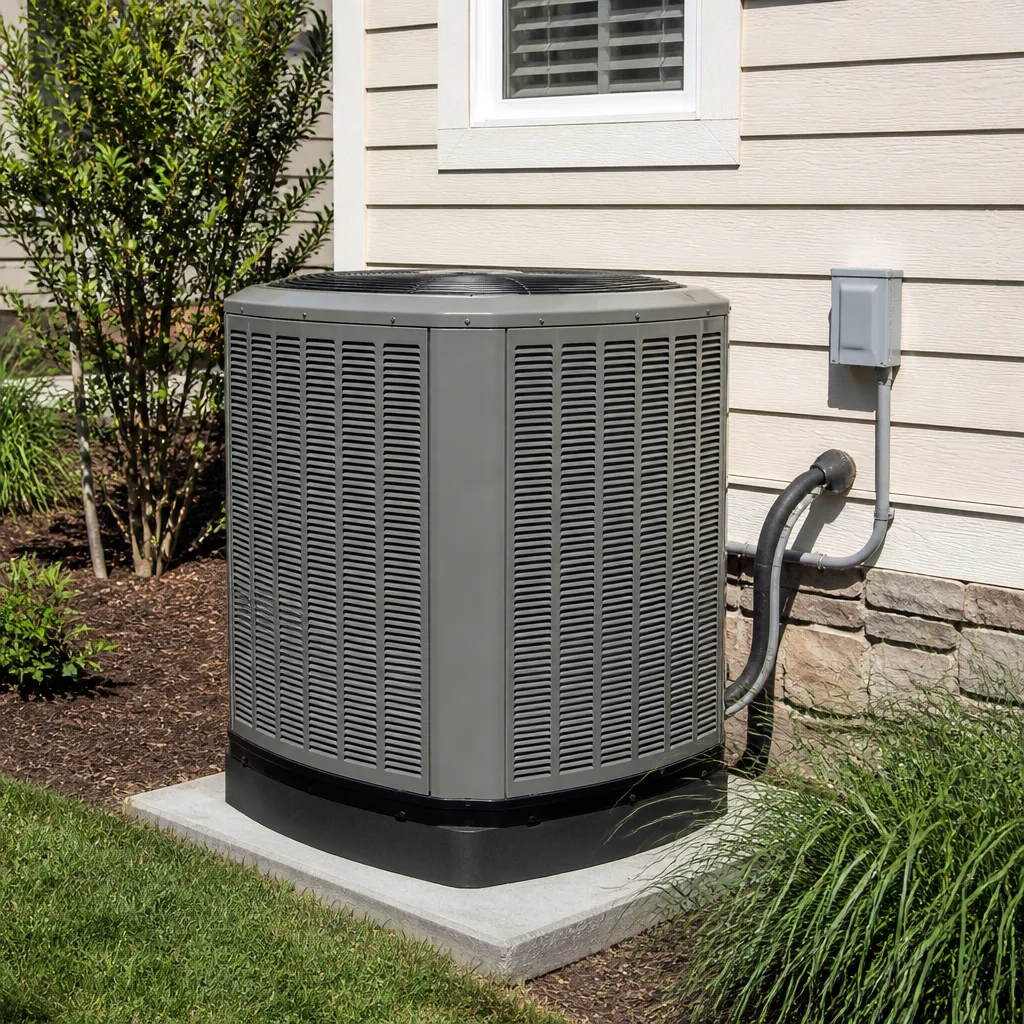 Trane
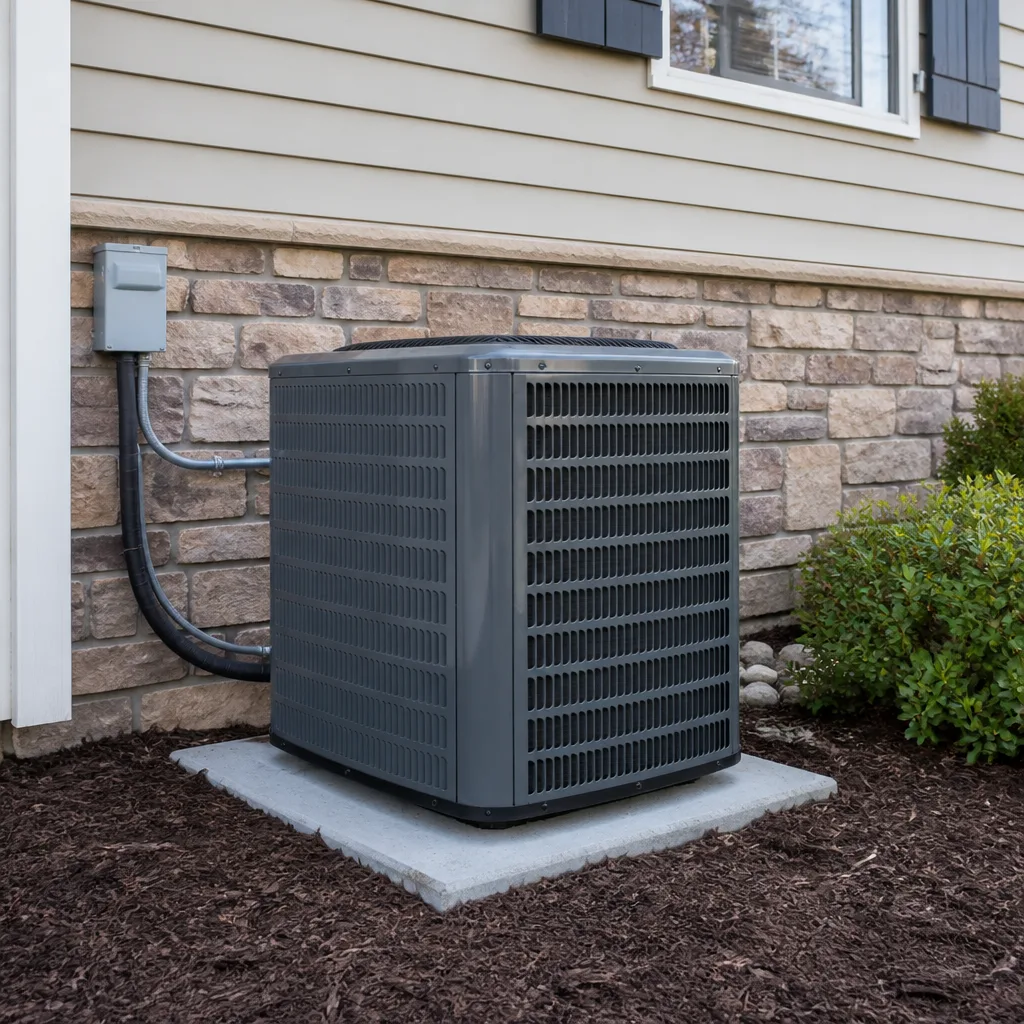 Goodman
Seasonal tune-up and full diagnostic on your Carrier, Trane, or Goodman system - readings shown to you before any repair is proposed
Diagnosis first, numbers second - you approve the repair price before a single part goes in.
Get your free estimateSeasonal HVAC Care for Mesquite: Year-Round Homeowner’s Guide
Most homeowners here treat HVAC care like a four-season schedule borrowed from somewhere else. Spring tune-up, summer cooling, fall furnace check, winter hibernation. That calendar doesn’t fit Mesquite. Roughly eight months of the year carry real cooling load, one month involves meaningful heating, and the space in between is shorter than most people assume. “Shoulder season” here runs about six weeks total, and it’s the window where small problems either get handled cheaply or turn into emergency calls. In Mesquite, a marginal capacitor or a coil that’s two pounds low on refrigerant can coast quietly through spring and then announce itself on the first 108°F day in June, when every technician in the valley is already booked. This guide lays out care on Mesquite’s actual climate calendar, month by month, so you’re fixing things in the cheap window instead of the expensive one.
Styles & brands we work with
- AC installation
- Furnace & heating
- Heat pumps
- Ductless mini splits
- Carrier
- Trane
- Goodman
Quick Answer
Seasonal HVAC care in Mesquite is built around a long cooling season (roughly March through October), a short heating window in December and January, and two brief transition months in spring and fall that matter more than their length suggests. The highest-value maintenance window is March and April, before the first heat wave, when a tune-up catches worn capacitors, dirty coils and low refrigerant before they fail under peak load. Heating equipment still needs an annual check even though it runs rarely, and window or portable units need proper off-season cleaning and storage.
Table of Contents
- Why Mesquite’s Climate Calendar Isn’t the Standard Four-Season Model
- Month-by-Month HVAC Task Map for Mesquite
- Why March and April Are the Highest-Leverage Maintenance Window
- Managing Your System Through the Long Cooling Season
- Heating Equipment During Mesquite’s Cold Snaps
- Dust Events, High Winds, and Post-Storm Coil Checks
- Off-Season Care for Window and Portable Units
- Common Mistakes to Avoid
- When to Call a Professional
- Frequently Asked Questions
Why Mesquite’s Climate Calendar Isn’t the Standard Four-Season Model
Most HVAC maintenance advice is written for a temperate climate with four roughly equal seasons. Mesquite doesn’t work that way. If you map out the year by what your equipment is actually doing, it looks closer to this:
- Cooling-dominant (roughly March through October): About eight months where the AC is running regularly and carrying real load. Peak demand sits in June, July and August, but the system is working well before and after that.
- Heating window (roughly December and January): Cool nights and occasional cold snaps. This is when the heat pump or furnace actually earns its keep, and it’s short enough that problems hide easily.
- Shoulder season (roughly November and February, about six weeks combined): The system is mostly idle. This is the highest-risk window for deferred maintenance, because nothing is complaining loudly enough to get your attention.
That last point is the one homeowners consistently miss. A system that’s half-idle isn’t resting; it’s accumulating dust on the indoor coil, losing a little charge, and quietly aging its capacitors. None of that shows up on the thermostat. It shows up the first time the system has to run flat-out in real heat.
The practical takeaway: schedule your maintenance around Mesquite’s actual climate rather than a generic calendar, and put the money and attention into the transition months when the system is easy to inspect and easy to fix. A clean, verified system in April costs you a tune-up. The same problem discovered in July costs you a tune-up, a diagnostic, whatever parts failed under stress, and a wait behind everyone else in line.
We work on nearly every major brand, from York and Daikin to Bryant and American Standard, so the advice in this guide applies to whatever is already on your wall or in your closet. If you’re weighing whether it’s worth investing in an older system at all, our guide to AC Replacement Mesquite walks through the decision honestly, without trying to push a replacement you don’t need.
Month-by-Month HVAC Task Map for Mesquite
Here’s the calendar we actually recommend, organized by the month and by what the weather is doing. This isn’t a rigid schedule; it’s a map of when each task pays off most.
- January – heating check and filter swap. This is the month your heat actually runs. Change the filter once, listen for odd noises at startup, and note any cold spots. If the heat is struggling, get it looked at now, while technicians aren’t slammed.
- February – late-winter inspection. Second half of the shoulder season. Good time for a quick outdoor unit inspection: clear debris, check that the disconnect is intact, and look for anything nesting in the cabinet.
- March – pre-season cooling tune-up. The single most important month on this calendar. Full tune-up, refrigerant check, capacitor test, coil cleaning, condensate drain clear.
- April – final pre-summer verification. Run the system on a warm day and confirm it’s cooling to spec before the load is real. This is also the month to fix anything the tune-up flagged.
- May – filter and coil check. Dust season has been running for weeks. Check the filter, and if the outdoor coil looks packed with dust, clean it.
- June through August – peak cooling. Filter changes every 30 days, thermostat discipline, and prompt attention to any change in performance. Any short-cycling or warm air is a call-now situation.
- September – post-peak inspection. The system has just run 90 days flat-out. Look for any oil residue, listen to the compressor, check the condensate line.
- October – late-season cooling check. One more filter change and a scan for dust accumulation from the wind season. Catch issues now before heating season.
- November – heating pre-check. Test the heat before you need it. If it’s a heat pump, verify it switches modes cleanly. Furnace owners: check the filter and listen for ignition.
- December – heating season. Filter change and normal vigilance. Cold snaps will stress the system; know what a normal cycle sounds like so you notice when it changes.
Notice what’s not on this list: scheduled maintenance in June, July or August. That’s the month when there simply isn’t slack in the schedule, and the answer to “when can someone come out” is measured in days, not hours. If you’ve got a AC repair that’s truly urgent, we answer 24/7 and dispatch fast from 7am to 7pm, Sunday through Friday, but the smart move is to not be in that position in the first place.
Why March and April Are the Highest-Leverage Maintenance Window
If you only do one thing on this calendar, make it a March or April tune-up. It’s the crossover point between heating season and cooling season, when demand is low enough that scheduling is easy and problems are easy to see. Here’s why the leverage is so high:
- The system is easy to diagnose. A technician isn’t fighting 110-degree ambient temperatures or working around a system that’s mid-failure. Parts and refrigerant charge can be measured accurately.
- Capacitors and contactors are predictable. The two most common cooling-season failures are cheap parts that age quietly. A test in March finds the one that’s drifting; a failure in July takes the system down.
- Coil cleaning is cheaper now. A coil that’s lightly fouled in April needs a light cleaning. The same coil in August, when it’s been fouling for five months, is harder to clean and has already cost you efficiency all summer.
- Drain lines clog before you need them. A blocked condensate drain in peak season means a shutdown and possible water damage. Clearing it in April is a two-minute job.
- Repair scheduling is flexible. If the tune-up finds something, you can plan it rather than pay for an emergency visit during the first heat wave.
In our experience, the calls we get in mid-June almost always have a paper trail: a filter that wasn’t changed, a capacitor that was marginal in April, a coil that hadn’t been cleaned in two years. None of those were emergencies in March.
This is also the right window to think about installation if the system is nearing the end of its usefulness. A AC installation in April means you’re commissioning a new system before the load gets real and you have a full cooling season to confirm it’s performing the way it should. If you’ve already made the decision, our team handles install and setup across nine major brands, so there’s no incentive to steer you toward equipment that doesn’t fit your home.
Managing Your System Through the Long Cooling Season
Once you’re into May, the job changes from preparation to load management. Eight months of cooling is hard on equipment, and a few habits make a measurable difference.
Change the filter every 30 days through the cooling season. This one matters more in Mesquite than in most places. Dust in the air means filters load up faster, and a restricted filter strains the blower and pulls down airflow across the coil, which encourages icing and refrigerant-side stress. Thirty days is the right cadence here, not the “every 90 days” that filter packaging often suggests.
Keep the outdoor unit clear. Two feet of clearance on all sides, no stored items on top, and no plants crowding the coil. A shaded unit runs more efficiently, but shade should come from the building or a properly set screen, not from shrubs touching the coil.
Watch for early warning signs. These are the things worth calling about before they become a shutdown:
- Short cycling (the system runs in very short bursts)
- Warm air at the registers when the system is running
- Ice on the refrigerant lines or the indoor coil
- Any new noise at startup (clicking, grinding, buzzing)
- Water pooling near the indoor unit (usually a clogged drain)
- A noticeably higher electric bill with the same usage pattern
Set and forget the thermostat. Big swings between setback and setpoint don’t save energy; they just extend recovery time when the outdoor temp is already high. A modest, consistent schedule beats aggressive setback in peak cooling.
Consider a mid-season check. Around late July or early August, a filter swap plus a visual check of the outdoor coil and condensate line catches most of what would otherwise surprise you in September. It’s not a full tune-up, but it’s cheap insurance.
Heating Equipment During Mesquite’s Cold Snaps
Heating season here is short, but it’s still real. December and January bring overnight temperatures low enough to stress equipment that hasn’t run since the previous winter. Because the heating window is so short, failures tend to happen at the worst possible moment: the first cold snap, when nobody has checked the system since last year.
Two things matter most for Mesquite homeowners:
Heat pumps: check the reversing valve
If you have a heat pump, the reversing valve is the component that lets the system switch between heating and cooling. It’s the piece most likely to fail quietly, because a heat pump in cooling mode can work perfectly and still have a valving problem that only shows up in heating. The classic symptom is a system that runs in heating mode but blows cool air, or runs and won’t switch cleanly. A technician can test the valve in either season by checking how the system behaves in both modes. If your heat pump hasn’t been tested in heating mode in a few years, run it once in heating before winter and note whether the air is warm.
Furnaces: inspect the igniter
If you have a gas furnace, the igniter and flame sensor are the two components that cause most no-heat calls. Both fail from normal wear, not neglect, but a pre-season inspection catches them before they leave you cold. Schedule the furnace check in October or November, before the first cold snap, not during it. Gas furnaces also involve combustion, venting and safety controls that need a trained eye, so this isn’t a job for a homeowner inspection checklist. If you smell gas at all, call your gas utility first, then a professional. Don’t try to diagnose it yourself.
Our scope is cooling, not heating, so we don’t service furnaces. But when Mesquite homeowners have a heat pump, the system in question is often the same equipment that cools the house. If you’re unsure whether your unit does both, the manufacturers we work with (including Bryant and American Standard) build both straight-cool and heat-pump versions, so a quick check of the data plate answers it. If you’re weighing repair versus replacement of a heat pump, our guide to Mesquite is written for exactly this climate and walks through the numbers.
Dust Events, High Winds, and Post-Storm Coil Checks
Mesquite gets high-wind dust events that push fine particulate into everything, including the outdoor condenser coil. Some of that dust passes straight through the fins; some of it packs into the coil from the outside, where it’s easiest to clean. Either way, a dust event is a signal to check the coil.
Here’s what to look at after a strong wind or dust storm:
- Outdoor coil face. Look at the fin surface through the grille. If it looks matte or coated, it’s loaded. A garden hose on low pressure from the inside out is the safe method; don’t use a pressure washer, which bends fins and can drive dust deeper.
- Cabinet and disconnect. Check that the cabinet is intact and that the electrical disconnect hasn’t been damaged. If you see any scorching or smell something burning, stop and call.
- Outdoor pad and drain. Dust can block the condensate path in some configurations. Make sure water isn’t pooling at the base.
- Roof debris. If your unit is roof-mounted, don’t climb up after a wind event to check it yourself. Height risk plus a possibly loose panel is a bad combination; this is a call-a-professional situation.
- Indoor filter. A dust event will fill your indoor filter faster than usual. Check it within a few days and replace if it’s visibly loaded.
If the system was running through the event and still cools normally afterward, a visual check plus a filter change is usually enough. If performance dropped or you notice noise, that’s a call-worthy change. Our technicians have up to 10 years of experience with condenser and coil work across the nine brands we service, so a post-storm inspection is straightforward.
Off-Season Care for Window and Portable Units
A lot of Mesquite homes use a window or portable unit as a supplement: a converted garage, a back bedroom, an addition that never quite got ducted. Those supplement units have their own seasonal rhythm and their own care needs, and they’re easy to forget about once the main system is doing the work.
When you take a window or portable unit out of service for the season:
- Clean the filter before storing. A loaded filter sitting for months cements dust into the mesh. Wash it, dry it fully, and reinstall before storage.
- Drain and dry the pan and lines. Portable units collect condensate in a tank or drain line. Empty it, dry it, and if there’s a drain hose, flush it and let it air dry. Sitting moisture is how mildew and musty smells start.
- Clean the coils. The evaporator coil on a portable unit is accessible from the front grille on most models. A soft brush and a vacuum will do more than any cleaning spray.
- Store indoors if possible. Garage storage is fine in most Mesquite homes, but avoid an unconditioned space that gets very hot for long stretches; the plastic and electronics age faster.
- Cover window-unit openings. When the unit comes out, seal the window or wall opening against dust and heat gain. A loose filler panel is one of the more common sources of summer heat load in converted spaces.
- Test before the season starts. Run a portable unit for 15 minutes in May before you actually need it. If it doesn’t cool, you’ve got time to deal with it instead of running out to buy a replacement during a heat wave.
The same logic applies to window units still installed: check the filter, clean the coil, and confirm the unit drains properly before the peak season. Supplement units often take more abuse than the main system because they don’t get serviced as part of a regular maintenance call.
Common Mistakes to Avoid
- Following a spring/fall tune-up schedule copied from a temperate climate. Mesquite’s cooling season starts earlier and ends later than the generic advice assumes. A “spring tune-up” in May is late here; March and April are the real pre-season window.
- Skipping the heating check because “we barely use it.” Short usage is exactly why problems hide. A heat pump that sits idle for nine months is more likely to surprise you on the first cold night, not less.
- Changing the filter on a 90-day cadence. Dust here loads filters much faster. Thirty days through the cooling season is the right rhythm, and a post-dust-event check in between.
- Washing the outdoor coil with a pressure washer. It bends fins and packs dust further into the coil. Low-pressure water, from the inside out, is the method that works.
- Storing portable or window units wet. A tank or pan that wasn’t drained puts moisture where it does the most damage over months of storage. Empty, dry, then store.
- Running a system that’s icing up or short-cycling and “waiting to see.” Ice on the indoor coil or refrigerant lines usually means low charge or restricted airflow, and running it in that condition stresses the compressor. Turn it off and get it checked.
- Assuming a marginal capacitor can wait until next year. Capacitors are cheap to replace and expensive to fail. A test during the pre-season tune-up catches it; a failure in August doesn’t.
- Climbing on the roof after a wind event to check a rooftop unit. Height risk plus a possibly loosened panel is a bad combination. That’s a call-a-professional job.
When to Call a Professional
Some seasonal tasks belong on your list. Others don’t. Call a professional when the system is short-cycling, blowing warm air, icing up on the indoor coil or refrigerant lines, tripping a breaker, or showing water near the indoor unit. Call when you hear new sounds at startup, when the thermostat and the actual output disagree, or when your electric bill climbs without a change in usage. And call for anything involving refrigerant, electrical components in the condenser, or a rooftop unit. Those carry real risk and need the right tools and training. Our technicians work on nearly every major brand, including York, Daikin and American Standard, so the system you already own is almost certainly one we know. AC Replacement Mesquite offers free estimates in Mesquite. Call (866) 764-5851. We answer 24/7. Fast dispatch from 7am to 7pm, Sunday through Friday. Closed Saturday. A call outside dispatch hours is booked into the next opening.
Frequently Asked Questions
March is the highest-leverage month, with April as the last safe window before peak cooling demand. A tune-up in either month catches worn capacitors, dirty coils and low refrigerant before the system is under real load. Scheduling in June or July means competing with every emergency call in the valley, so the pre-season window is the smarter move.
Yes, and short usage makes it more important, not less. Equipment that sits idle for nine months develops problems quietly, and the first cold snap is when they surface. A pre-season heating check in October or November is cheap compared to a no-heat emergency during a cold night in December.
Every 30 days through the cooling season, and after any significant dust or wind event. Dust loads filters much faster here than the “every 90 days” cadence on the packaging. A restricted filter strains the blower and pulls down airflow across the coil, which invites icing and refrigerant-side stress.
Check the outdoor coil face and clean it with low-pressure water from the inside out if it looks coated. Replace the indoor filter within a few days. If the system was running through the event and still cools normally, a visual check is usually enough. If performance dropped or you hear new noise, get it looked at. Don’t climb on the roof to check a rooftop unit yourself.
We service nine major brands: Carrier, Trane, Lennox, Goodman, Rheem, York, Daikin, Bryant and American Standard. That covers nearly every residential system a Mesquite homeowner already has installed. If you’re not sure of your brand, check the data plate on the outdoor unit or the indoor air handler and give us a call at (866) 764-5851.
It depends on age, refrigerant type, and how many repair calls the system has needed in recent years. A tune-up that finds a single failed part is a repair. One that finds a compressor issue, a leaking coil, or an older R-22 system with multiple problems is usually a replacement conversation. We work on both sides of that decision and give an honest assessment first; a replacement is not the default answer. Call (866) 764-5851 for a free estimate and we’ll walk through it.
The Bottom Line
Mesquite’s HVAC calendar isn’t the four-season model most maintenance advice assumes. Roughly eight months carry real cooling load, one month involves meaningful heating, and the six-week shoulder season in between is where small problems quietly become emergency calls. Structure care around that reality. Put your maintenance budget into a March or April tune-up, change filters every 30 days through the cooling season, check the heating system before the first cold snap, and pay attention to your outdoor coil after dust events. Handle window and portable units properly in the off-season. Most of what turns into a July emergency has a paper trail that starts in March. If it’s the repair side you’re weighing, our breakdown of AC repair covers what’s worth fixing and what isn’t.
Call (866) 764-5851 for a free estimate. We answer 24/7. Fast dispatch from 7am to 7pm, Sunday through Friday. Closed Saturday. A single call covers repair, maintenance and installation, and we’ll give you a straight assessment before anything gets scheduled.
Written by the team at AC Replacement Mesquite.
See the difference
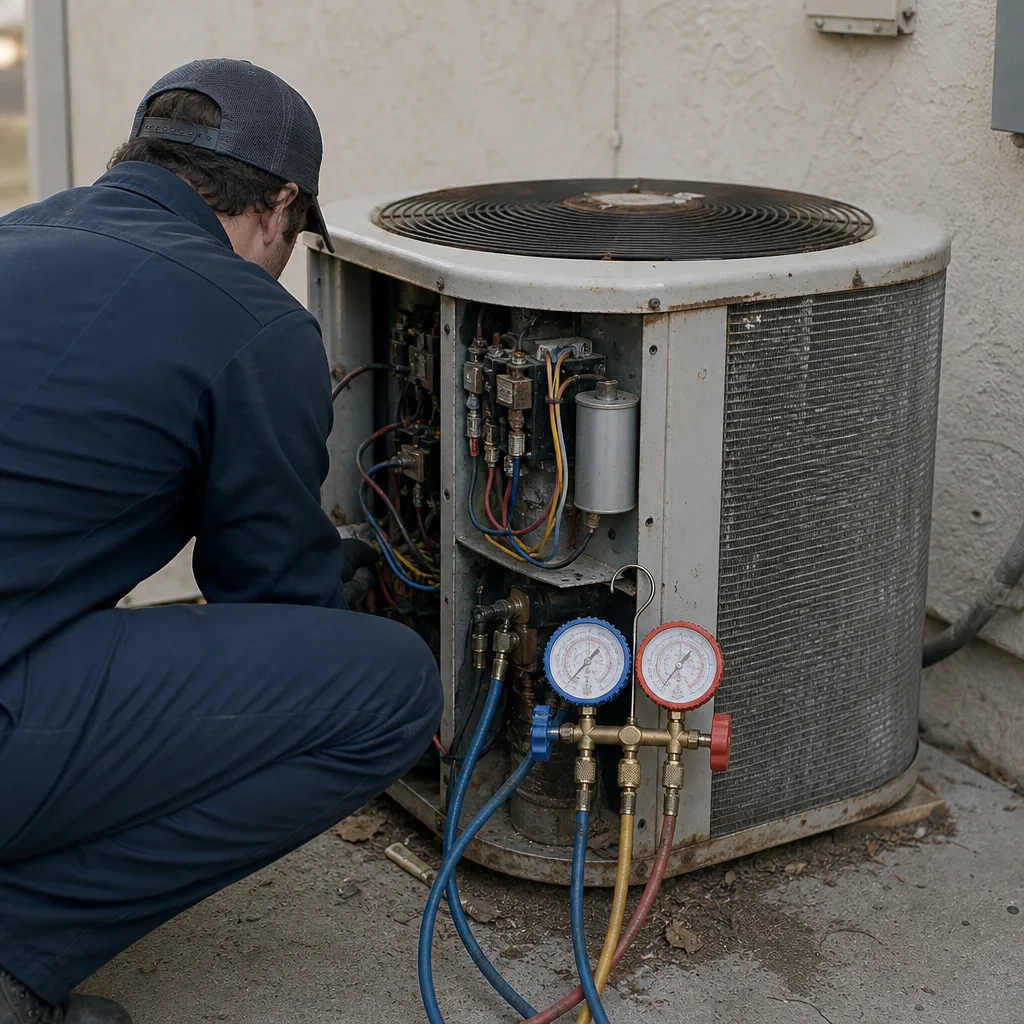 Before
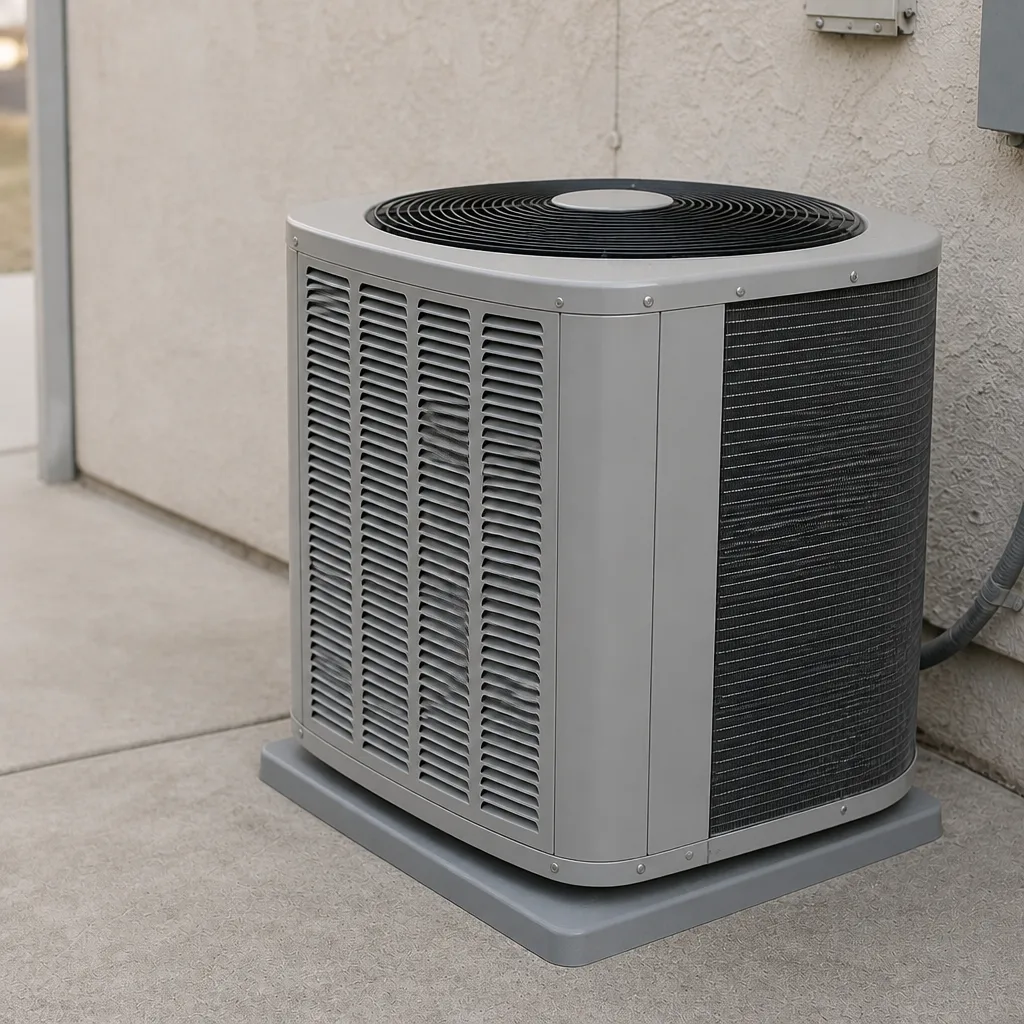 After
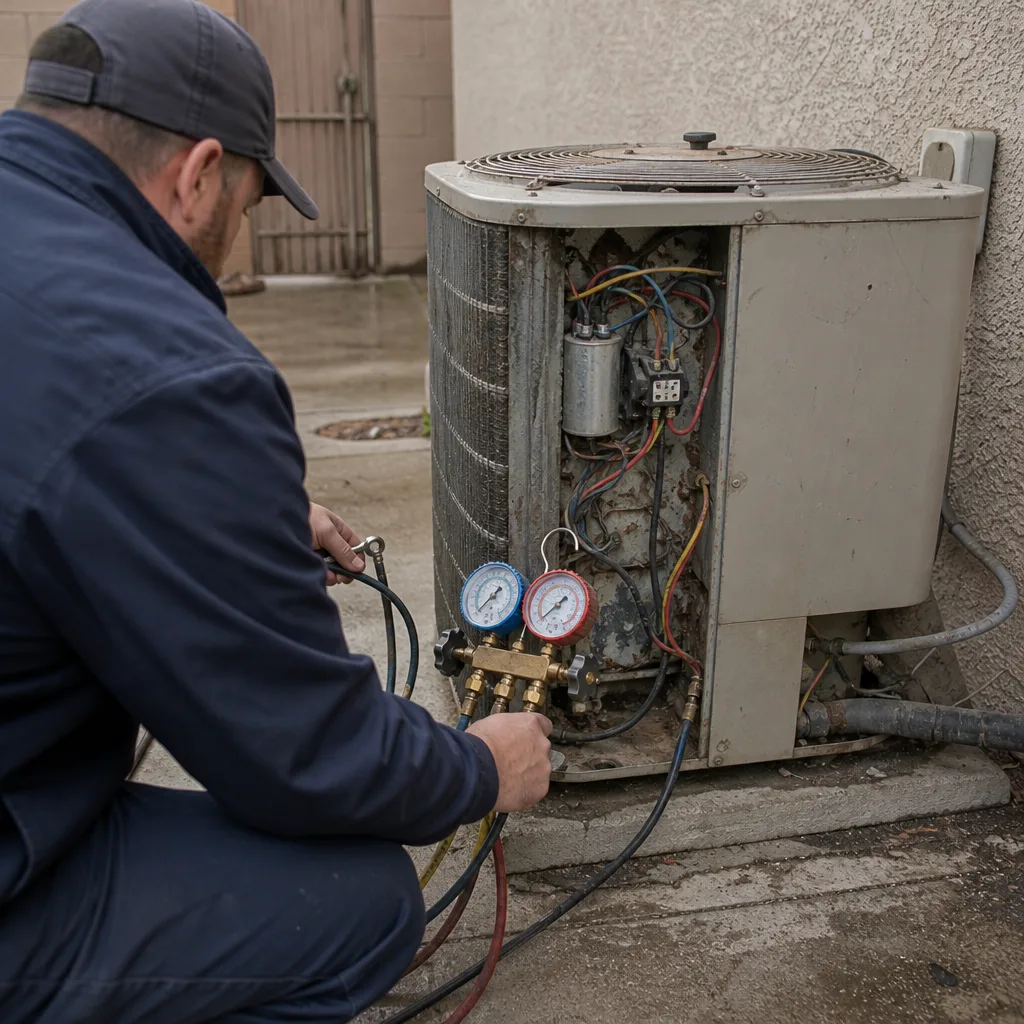 Before
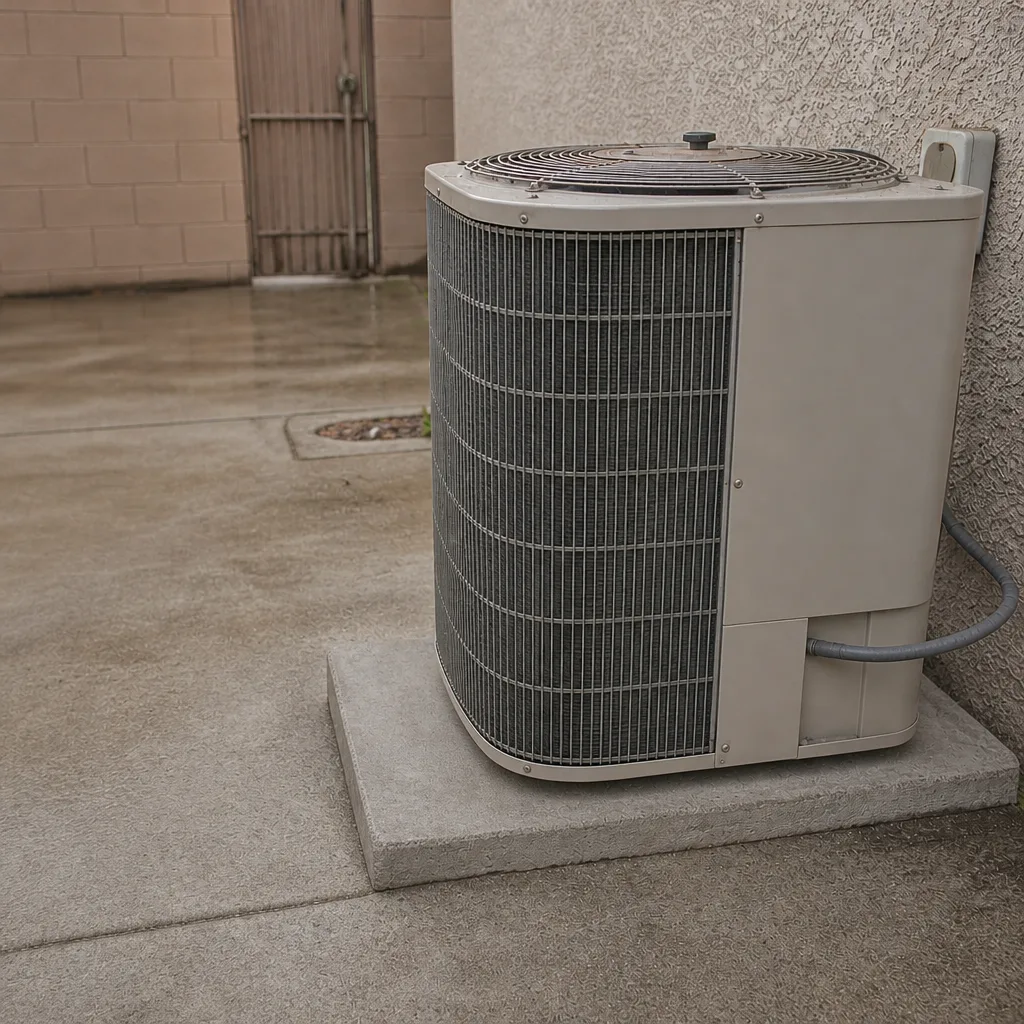 After
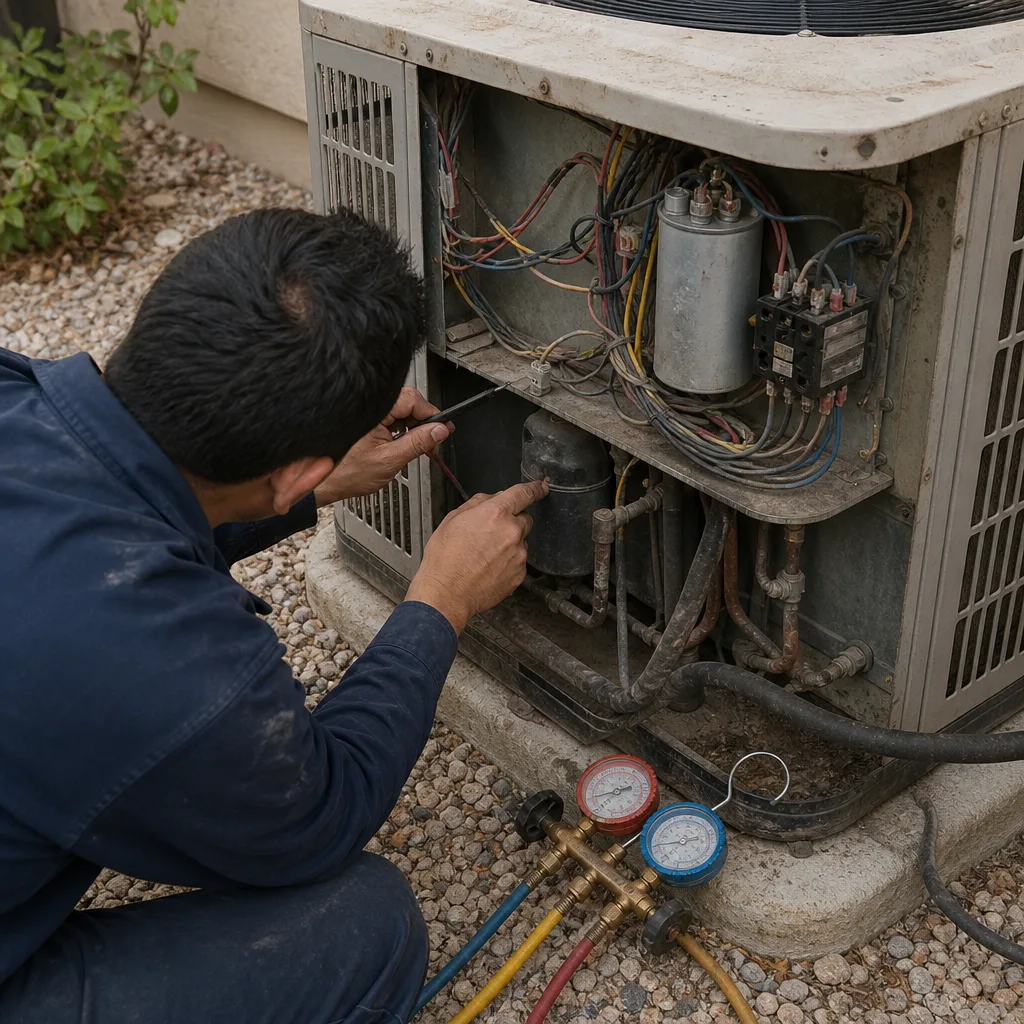 Before
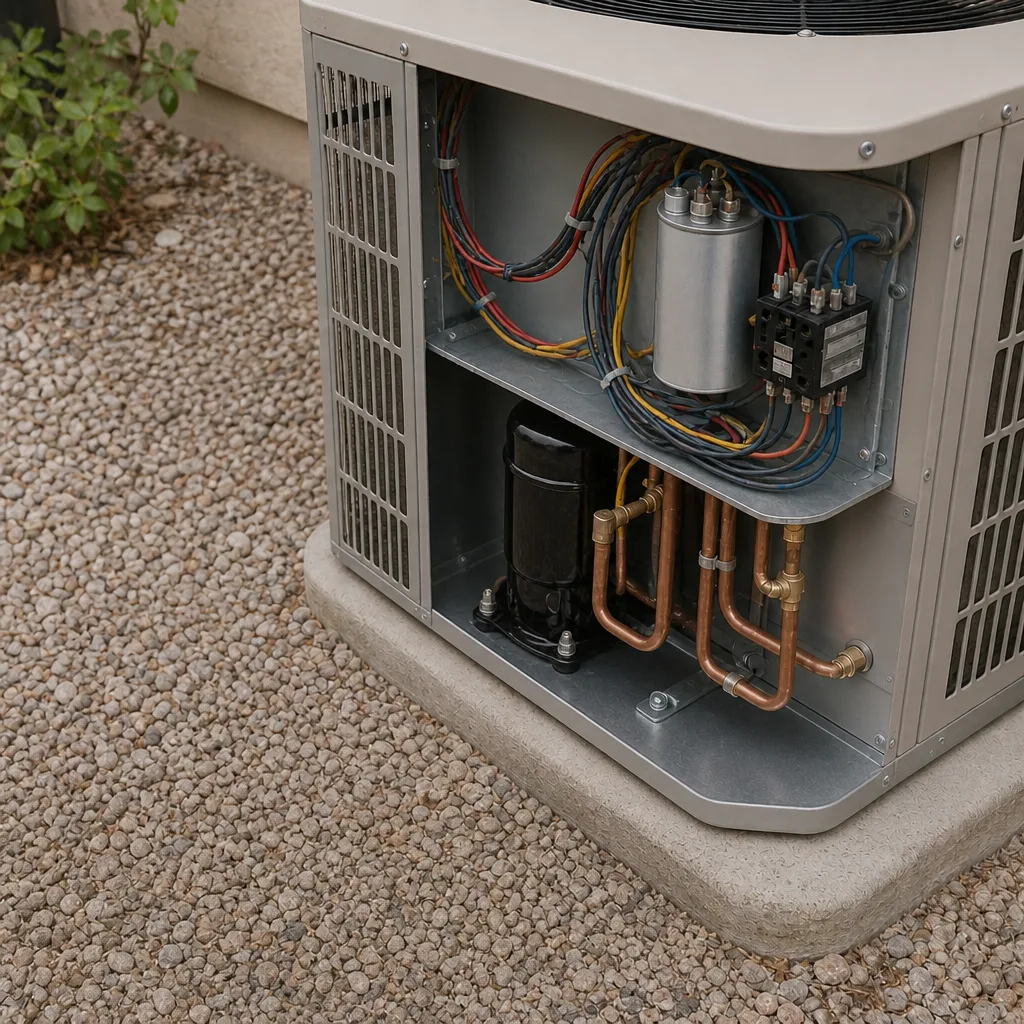 After