
Last updated November 17, 2026
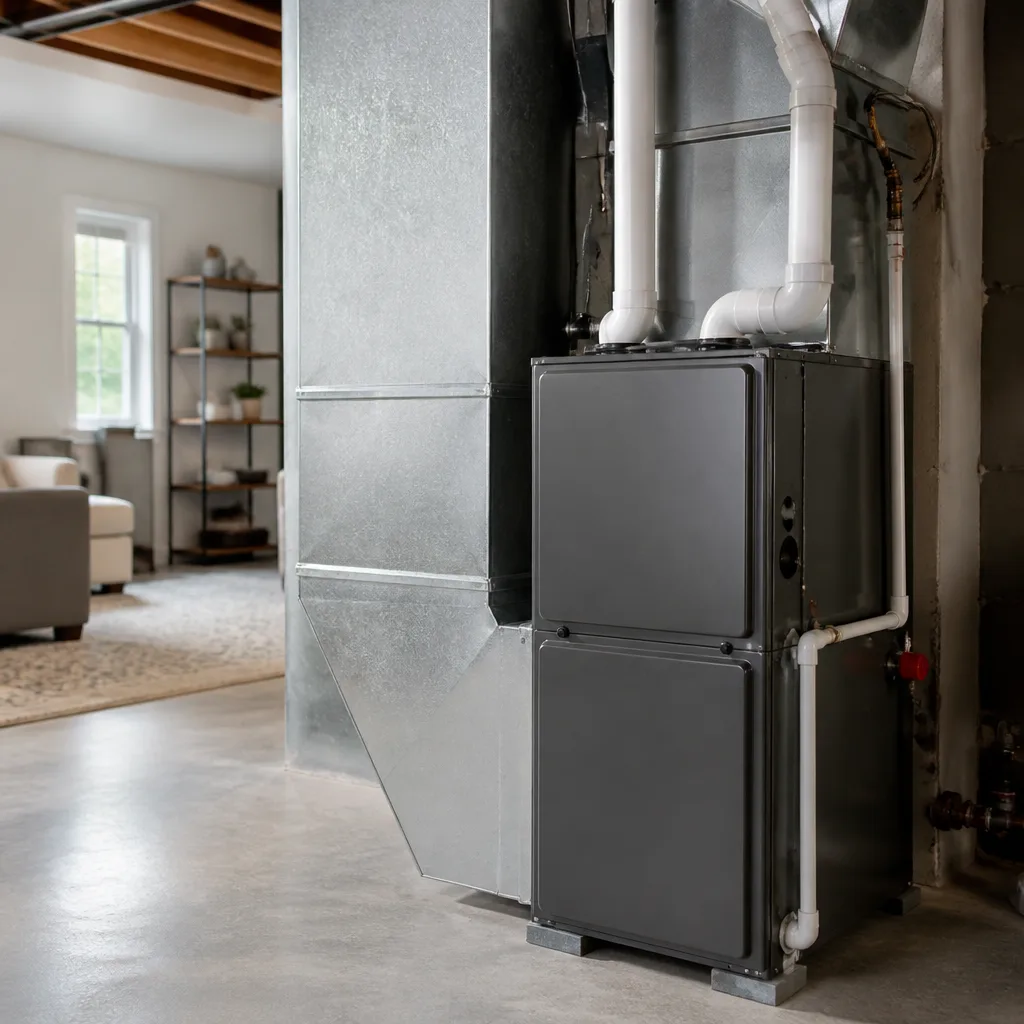 Furnace & heating
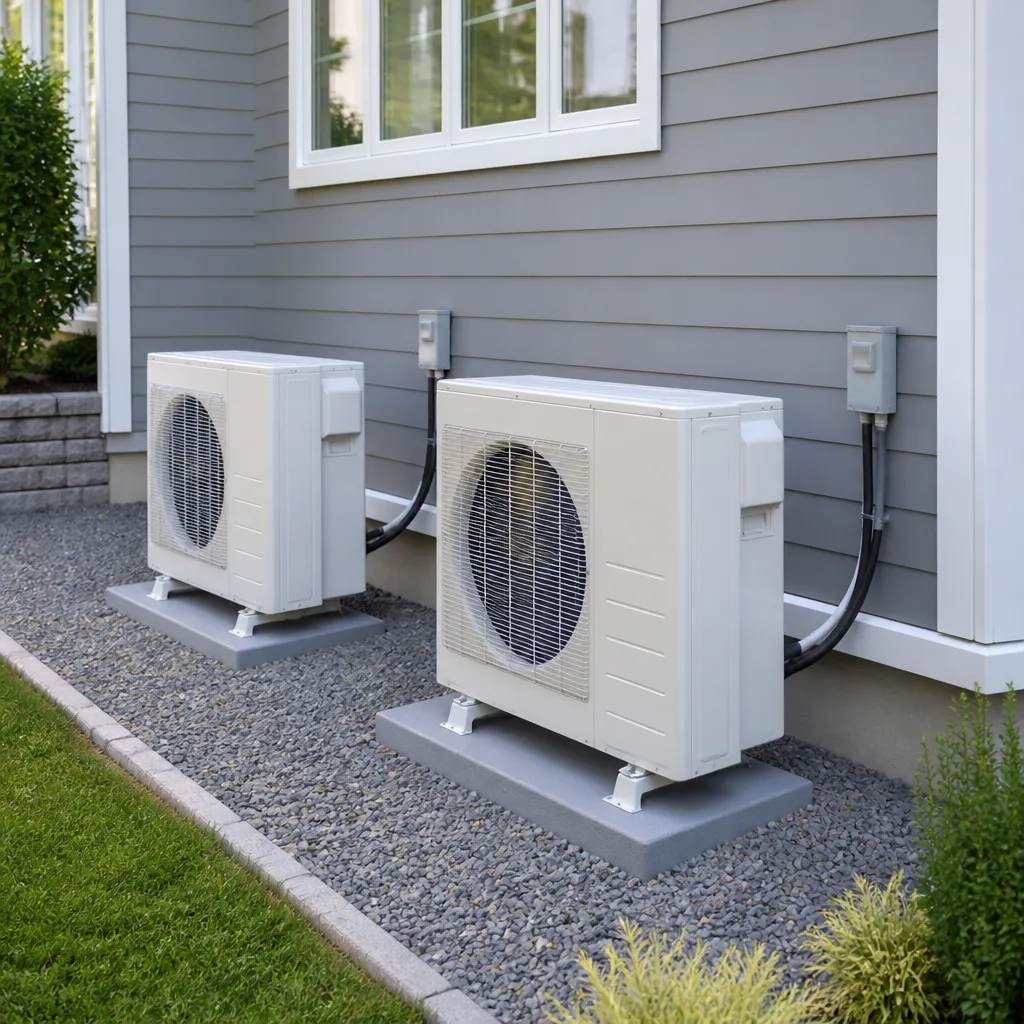 Heat pumps
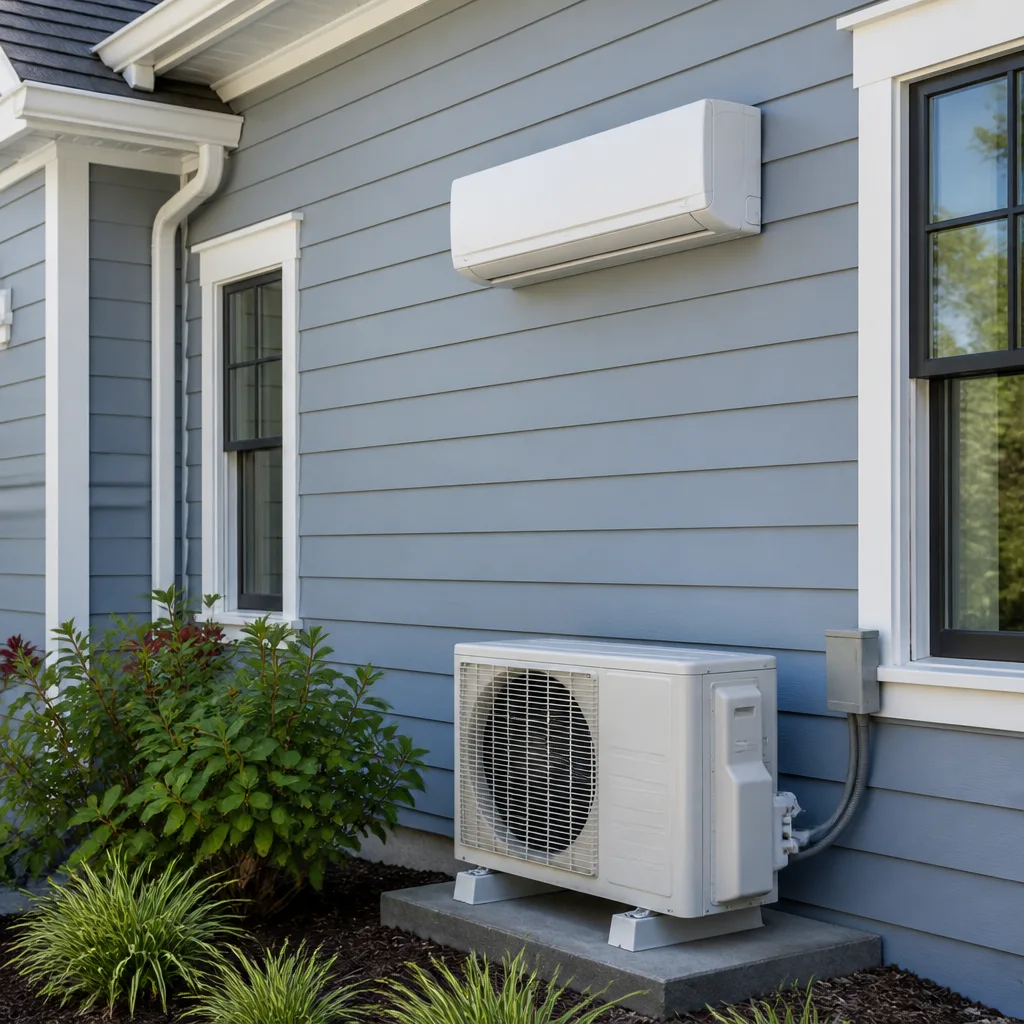 Ductless mini splits
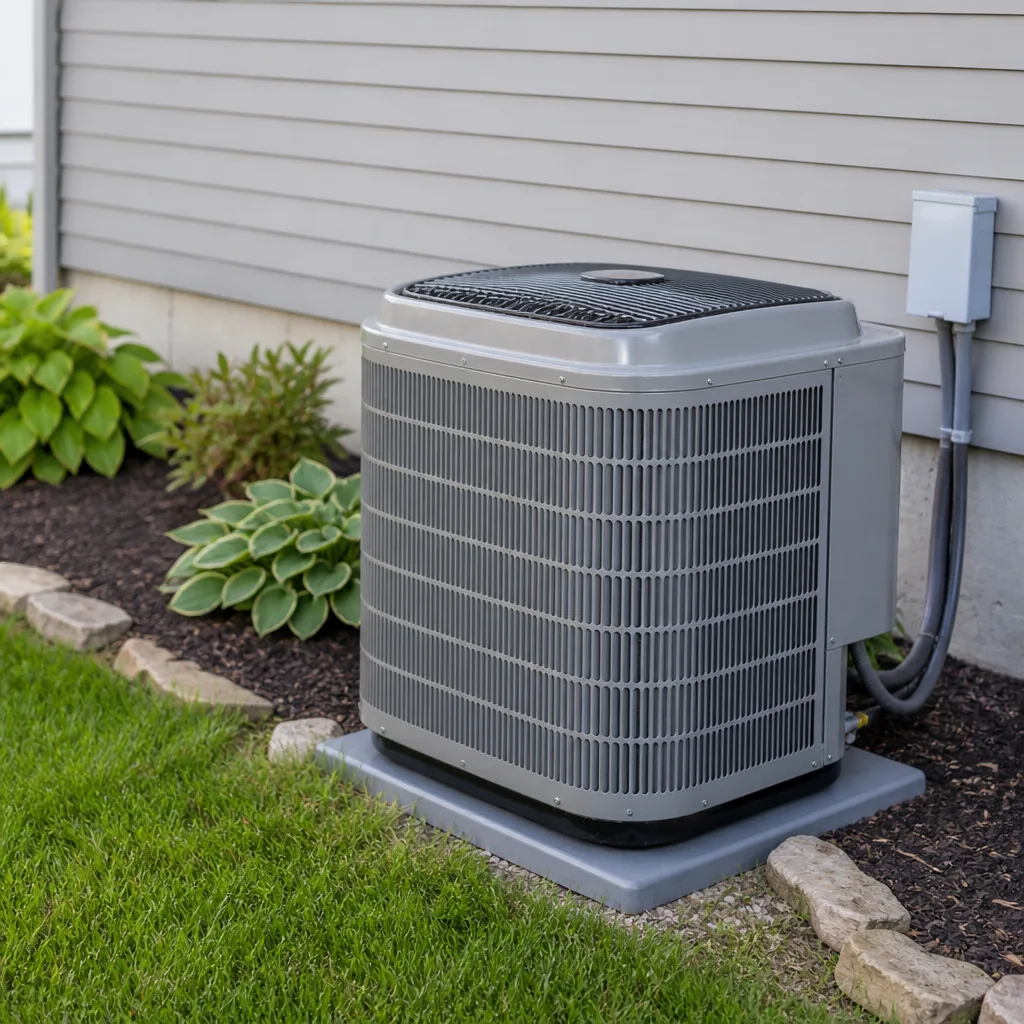 Carrier
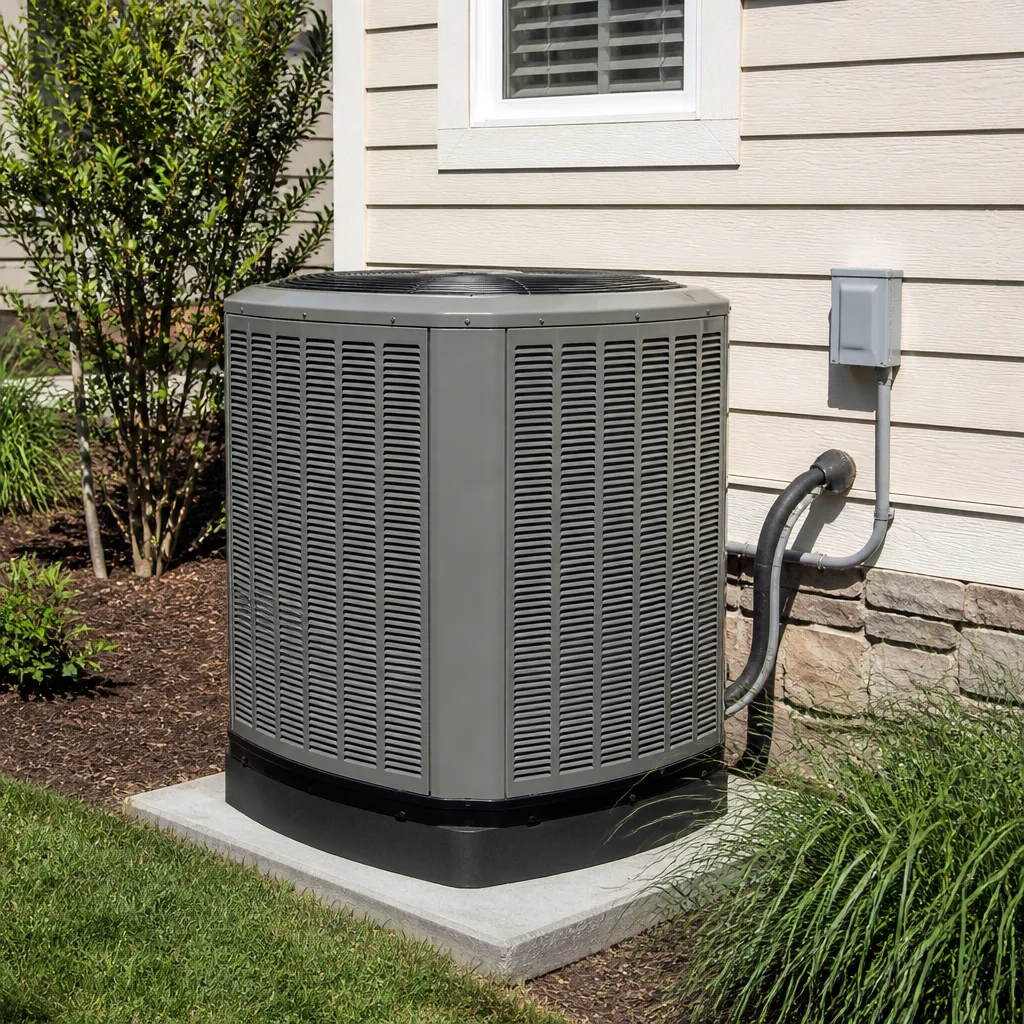 Trane
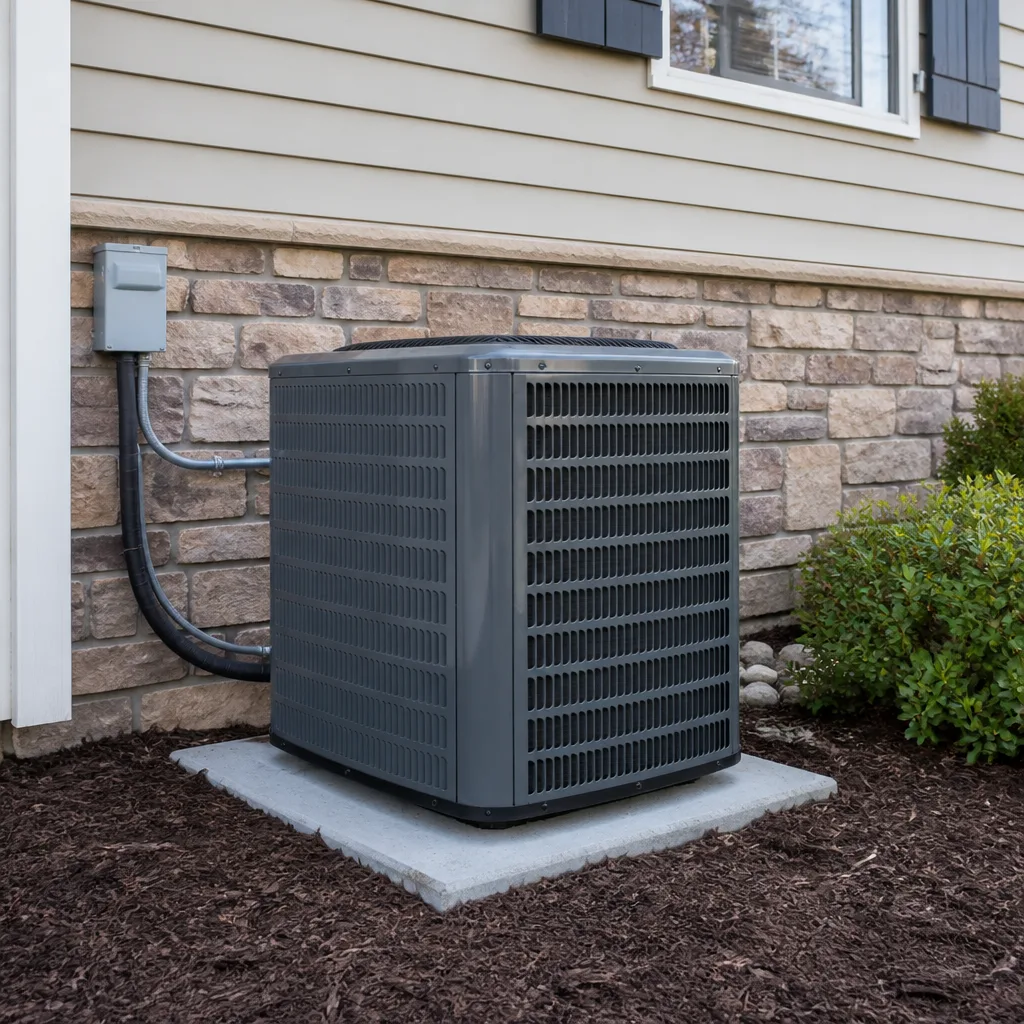 Goodman
Seasonal tune-up and full diagnostic on your Carrier, Trane, or Goodman system - readings shown to you before any repair is proposed
Diagnosis first, numbers second - you approve the repair price before a single part goes in.
Get your free estimateHVAC Emergency Preparedness Guide for Mesquite Homes
Most people treat a broken air conditioner as a hassle to schedule around. In Mesquite, it’s a health event with a countdown attached. The mistake we see most often is the assumption that “it’s just hot” and the house will hold its temperature until a technician arrives. It won’t. Between late June and early September, a Mesquite home with a failed system can climb past 95°F indoors within a few hours, and that’s before the afternoon peak. This guide walks you through the first 30 minutes after a failure, the local cooling resources worth knowing about, how to slow heat buildup with what you already have, and what to tell a technician so help moves faster. You’ll finish with a plan you can act on before the next breakdown happens.
Quick Answer
When your AC fails in Mesquite, the first move is heat management, not troubleshooting: close blinds and curtains on the sunny side of the house immediately, move people and pets to the coolest room, shut off heat-generating appliances, and call for service while you’re doing it. Check only two things yourself before calling – the thermostat and the breaker – then stop. Call (866) 764-5851 to reach a live person, since we answer 24/7. Fast dispatch runs from 7am to 7pm, Sunday through Friday, and we’re closed Saturday.
Styles & brands we work with
- AC installation
- Furnace & heating
- Heat pumps
- Ductless mini splits
- Carrier
- Trane
- Goodman
Table of Contents
- The First 30 Minutes After an AC Failure in Mesquite
- Mesquite Cooling Centers and Local Resources
- How to Slow Heat Buildup With What You Already Have
- What to Tell a Technician When You Call
- Your Pre-Season AC Emergency Kit
- Warnings Signs That Mean Call Now, Not Tomorrow
- Repair or Replace: The Emergency Decision
- Preparing a Mesquite Home Before Summer Arrives
The First 30 Minutes After an AC Failure in Mesquite
Your first 30 minutes should be spent on people, not on the unit. The desert heat doesn’t wait for a diagnosis, and the difference between a manageable afternoon and a dangerous one usually comes down to how fast you respond to indoor temperature rather than how well you troubleshoot the system. Here’s the sequence we recommend.
- Move everyone to the coolest room. Typically the lowest floor or a room with no direct sun. Bring pets with you and give them water. Elderly residents, young children, and anyone with a heart or respiratory condition should be in that room within the first few minutes.
- Close the blinds and curtains on every sun-facing window. Not all of them at once – the sunny side first. West and south windows in Mesquite collect the most heat from mid-morning through late afternoon.
- Check the thermostat. Confirm it’s set to cool, the display has power, and it isn’t sitting in direct sun. A thermostat reading skewed by a hot spot on the wall can shut the system off early.
- Check the air filter. If it’s visibly clogged, a fresh one can restore airflow on a system that was already struggling. If you don’t have a spare, don’t remove it and run the system open – that lets dust into the coil.
- Check the breaker for the outdoor unit. If it’s tripped, reset it once. If it trips again, stop and call. Repeated resetting on a unit with a fault can damage the compressor.
- Stop there and call (866) 764-5851. We answer 24/7. A call outside dispatch hours is booked into the next opening, Sunday through Friday, 7am to 7pm.
What not to do: don’t open the windows during peak heat. Outdoor air in Mesquite at 3pm is hotter than indoor air and moving it through the house speeds up heat gain. Don’t run the oven, dishwasher, or dryer. And don’t spray water into the condenser or pour anything into the unit. That last move can ruin the electrical components and create a shock hazard, and it’s never worth the risk.
Mesquite Cooling Centers and Local Resources
If your home can’t stay below roughly 90°F indoors, or anyone in the household is showing signs of heat illness, leave. Mesquite has cooling resources set up for exactly this scenario, and they aren’t only for people without a home. They’re there for anyone whose house has become unsafe. Checking on where they are and their posted hours before the summer starts is a small task that pays off the day you need it.
The most reliable places to start:
- City of Mesquite community facilities. Public buildings, senior centers, and library branches often serve as designated cooling sites during heat advisories. Call ahead to confirm current hours, since they can extend during heat events and change between seasons.
- Senior centers. If an older relative lives alone in Mesquite, the local senior center is the resource worth having on the fridge. Ask about pet policy before you bring a dog – some sites accept pets, others don’t.
- Library branches. Public libraries are the most consistent option: they run regular hours, they’re air-conditioned, and they welcome anyone who walks in without a purchase or appointment. Call to confirm pet rules.
- Neighbors and family. If you have a nearby home with working AC, that’s the fastest cooling center you have. In Mesquite, where summers are intense enough that every household leans on its AC, checking on neighbors during an outage is part of how the town gets through July and August.
Before you leave, put the pets in the coolest room with water, or take them with you if the situation allows. Never leave a dog or cat in a closed home that’s climbing above 90°F. When you return, bring a thermometer – a cheap indoor thermometer will tell you whether the house is recovering or getting worse faster than your own comfort will.
How to Slow Heat Buildup With What You Already Have
Slowing heat gain is the goal, not cooling the house down. Without AC, you can’t reverse the trend, but you can slow it considerably. In our experience, this is where a lot of homes go wrong: the family opens windows for airflow and actually accelerates the problem. Here’s a workable sequence for a Mesquite summer emergency.
Window strategy
- Daytime (roughly 8am to 7pm): keep every window covered on the sunny side, and keep the rest of the house closed. Blinds, curtains, blankets – anything reflective or thick you have.
- After dark, if the outdoor temperature drops below the indoor temperature: open windows on opposite sides of the house to create cross ventilation. Once outdoor air is hotter than indoor air, close them again. In Mesquite this crossover point arrives later than you might expect in July and August, and sometimes doesn’t arrive at all on the hottest nights.
- For pets and the elderly: prioritize the coolest room, not whole-house ventilation. One room you can keep manageable beats five you can’t.
Fan positioning
Fans move air but they don’t lower temperature. What they do is speed the evaporation of sweat, which makes you feel cooler at the same thermostat setting. Place box fans facing outward in a bedroom window at night to pull cooler air in. During the day, aim fans at the people, not at the thermostat. Simple pedestal fans in the coolest room can make it feel several degrees better without adding any heat. Ceiling fans running counterclockwise on a low setting help too.
Shut off what generates heat
Unplug or avoid the oven, dishwasher, dryer, and any space heater you might otherwise lean on. Desktop computers and game consoles give off steady heat. Turn off the lights in rooms you aren’t using, especially incandescent bulbs. If you have a gas water heater in a closet, keep the closet door closed during the emergency so its heat doesn’t bleed into living space. In Mesquite this list is worth pinning to the fridge – it’s the sequence that turns a dangerous afternoon into a manageable one.
What to Tell a Technician When You Call
A five-line message to the technician saves time for everyone. The person who schedules your call uses that information to pick the right parts, route the closest truck, and sometimes spot a problem that can be walked through before anyone drives out. Here’s what to have ready when you call.
- The brand and model of your outdoor unit. The model plate is on the side of the condenser, usually at the top or near the bottom panel. Match the name against what we can work on – Carrier, Trane, Lennox, Goodman, Rheem, York, Daikin, Bryant, and American Standard are all in our wheelhouse, and in Mesquite we walk homeowners through the plate on the phone.
- System type and age. A rough age (system was installed in roughly X year) helps. So does knowing whether it’s a single system or a multi-zone setup, and whether you have a heat pump rather than a straight AC.
- What’s happening right now. Warm air? No air at all? The outdoor fan not spinning? Ice on the indoor coil? Any water on the floor near the air handler? Each of these points a technician toward a different part of the system, and being specific gets the right supplies on the call.
- Your thermostat display. Blank, showing a code, or showing the temperature properly? A code is worth reading off.
- The household. Mention an infant, an elderly resident, or a pet that can’t regulate heat well. That information changes the priority of your call, and we need it to help you plan.
One more thing: remember the two checks you already did. Tell the technician whether the breaker tripped and whether you replaced the filter. The person you’re speaking with can use those answers to give you a realistic arrival window and set expectations before anyone leaves the shop. If you want a technician who knows your system over time, a maintenance plan is the way to get there; on top of a first-repair relationship, it builds a record that makes future visits faster. And if the system is genuinely beyond repair, the conversation moves to AC Replacement Mesquite rather than endless bandages – that call is easier when you already know what’s in the house.
Your Pre-Season AC Emergency Kit
Every desert homeowner should have a small box of AC supplies ready before Memorial Day weekend. Nothing on this list is expensive, and each item addresses a specific January-through-December failure that we see in Mesquite when temperatures peak. Here’s the box we recommend.
- Two spare air filters in your size. Filters are the single most common cause of a mid-summer airflow failure. Know your filter’s dimensions – they’re printed on the frame of the current filter – and keep two in the closet.
- Condensate drain tablets. The drain line handles a lot of water in Mesquite, and a clogged line can trigger a shutdown or a wet ceiling. Tablets slow algae growth. Read the label and use them as directed.
- A backup thermostat or spare batteries. Some thermostats run on batteries. If yours does, keep a set of the correct size nearby. For programmable or smart thermostats, a spare thermostat you can swap in is worth having if the wall unit fails. A basic heat-only thermostat is enough to prove whether your controls are the problem.
- A cheap indoor thermometer. More important than it sounds. It tells you when the house crosses into dangerous territory, and it lets you describe the actual indoor temperature to a technician.
- A few box fans and a small battery-powered radio or phone charger. Power outages can follow the same heat waves that kill AC, so treat fans the way you’d treat a flashlight.
- A printed copy of this guide and the number for your local AC specialist. When the power is out and the phone is at 4%, paper wins.
Keep the box near the air handler or in a hall closet so it’s in the same spot every year. Restock the filters as part of your pre-season maintenance visit; that’s the natural time to check the condensate line, clean the coil, and confirm the capacitors are in decent shape before the hottest stretch hits. A pre-season check is cheaper than a same-day emergency, and it’s what AC Maintenance is for as a scheduled task rather than a reaction.
Warning Signs That Mean Call Now, Not Tomorrow
Not every AC problem is an emergency. Some are worth scheduling; others can’t wait until the next opening. Use these as the line that decides when to call.
- Call now: No air from the vents at all and the outdoor unit is silent. This usually means the system isn’t running, and with Mesquite temperatures in the 100s it becomes a home-safety issue quickly.
- Call now: Warm air coming from vents, combined with an outdoor fan that’s running but not producing cold. This can mean a refrigerant issue or a compressor fault, and running the system harder won’t help.
- Call now: Ice on the indoor coil or the refrigerant lines. It looks counterintuitive to see ice in summer, but it signals restricted airflow or low refrigerant. Turn the system off and call. Continuing to run it can damage the compressor.
- Call now: A burning smell, a buzzing sound from the outdoor unit, or a breaker that trips immediately after you reset it once. These are electrical or motor faults and should not be run again until a technician looks at them. Please don’t open the electrical panel yourself. The capacitors and wiring inside hold a charge even after power is off.
- Call now: Water on the floor near the air handler. A clogged condensate line can back up into the house. Shut the system off and put a towel down, then call.
- Schedule today, service soon: A system that’s cooling but seems to run constantly, or one with a slightly higher electricity bill than usual. These usually aren’t urgent, but they’re worth a call before a small issue grows.
If you’re not sure which category your problem falls into, call anyway. A phone conversation costs nothing, and the person you speak with can help you decide whether to schedule for the next opening or manage the situation until then. Our technicians have up to 10 years of experience, and that conversation is where experience shows up first.
Repair or Replace: The Emergency Decision
An emergency repair sometimes puts you at a decision point that would usually be months away. When a compressor fails on a system that’s already on its last legs, you may be choosing between a costly repair and a full replacement. The right answer depends on three things: the age of the equipment, your track record with repairs on it, and whether you’re planning to stay in the home.
Some rules of thumb that hold up in the field:
- Age. Most residential systems run 10 to 15 years in a climate this hot, and sometimes less if the equipment has been fighting the heat without consistent maintenance.
- Repair history. If you’ve had two or more repairs on the same major component in the last couple of years, replacement usually costs less over the next five years than continuing to patch.
- Efficiency. A 15- or 20-year-old system burns far more electricity than a current model. In Mesquite, where June through September is one long cooling load, that gap shows up on every bill.
- Refrigerant type. Older refrigerants are being phased out, and replenishing them gets more expensive every year. If your system uses one of them, that weighs on the replacement side.
When replacement is the answer, the plan matters as much as the equipment. New systems are sized by load calculation, selected for the house and the climate, and installed on a scheduled date rather than the same day. We work with nine major brands – Carrier, Trane, Lennox, Goodman, Rheem, York, Daikin, Bryant, and American Standard – so the recommendation follows your budget and your home, not a manufacturer. You’ll get a written fixed price, a scheduled install date, and paperwork handled for any rebate or incentive that applies. For a same-week emergency, the fastest path is a phone call to triage: call (866) 764-5851 and describe the system. And if you need to understand the full replacement picture before you commit, the details are laid out through AC installation.
Preparing a Mesquite Home Before Summer Arrives
The best AC emergency is the one that never happens. The work you do from March through May is what decides whether July and August are calm or a scramble. Here’s the pre-season list we walk every Mesquite homeowner through.
- Schedule a pre-season maintenance visit. Cleaning the outdoor coil, checking refrigerant pressures, testing capacitors and contactors, flushing the condensate line, and replacing the filter before the heavy season is the highest-return task on this list. It’s also the point where a small problem can be caught before it becomes a mid-summer failure.
- Check the attic and ductwork. In Mesquite’s heat, attic temperatures can be brutal. Look for detached duct runs, sagging insulation, or disconnected flex duct. A small tear in the attic can send cool air into the ceiling cavity all summer. If you’re not comfortable climbing into a hot attic, ask a technician to look during a maintenance visit.
- Seal and shade the windows. Home window tint, exterior shades, or upgraded blinds on west-facing glass cut afternoon heat gain significantly. This is one of the cheapest things you can do to help the system keep up during a July heat wave.
- Note the model and serial numbers and file them. Write them down, take a photo, and put it in your emergency kit. When something fails, you’ll be ready to give a technician everything they need on the phone.
- Plan for power outages. Utility outages happen, and Mesquite gets them during heat events. Know the local cooling sites, know your neighbors, and have your fans and charger ready.
- Set a maintenance schedule. One maintenance call a year on top of routine repairs is enough to keep a system tracked. It’s the difference between knowing your equipment and meeting it for the first time during a 108°F afternoon.
If your system needs a look before summer, don’t wait for the first 100°F day. A pre-season visit is where AC repair issues get caught cheap, and where an honest maintenance conversation saves a replacement. For readers new to the area, our Mesquite page covers the local climate and the way desert summers stress equipment differently than the rest of the country.
Common Mistakes to Avoid
- Opening the windows during peak heat. In Mesquite at midday, outdoor air is hotter than indoor air. Opening windows “for airflow” makes the house hotter, faster. Keep them closed from mid-morning through late afternoon.
- Resetting the breaker over and over. If the breaker trips once, reset it once. A second trip means the system needs a technician, and pushing past two resets risks the compressor or the wiring.
- Running the system with a clogged filter. The thermostat will call for cool, the system will run, and the airflow will be restricted. In a hot climate this can strain components. Change the filter, or leave the system off until you can.
- Spraying water on the outdoor unit. It’s a common reaction in Mesquite when the fan is running but the house isn’t cooling. It can damage the electrical components and creates a shock risk. Don’t do it.
- Troubleshooting the electrical panel. Capacitors and wiring inside a residential system can hold a charge even after the breaker is off. If you don’t know exactly what’s safe, stay out of the panel and call a professional.
- Waiting “until tomorrow” when the home is already over 90°F indoors. Heat illness escalates quickly in an elderly resident or small child. If the house is climbing and you can’t slow it, call or head to a cooling center.
- Buying a replacement in a panic without a load calculation. Oversold by the emergency, homeowners sometimes accept a unit that’s the wrong size for the house. It runs longer, costs more, and cools unevenly. Size properly, plan the install, and don’t let a hot afternoon drive the decision.
See the difference
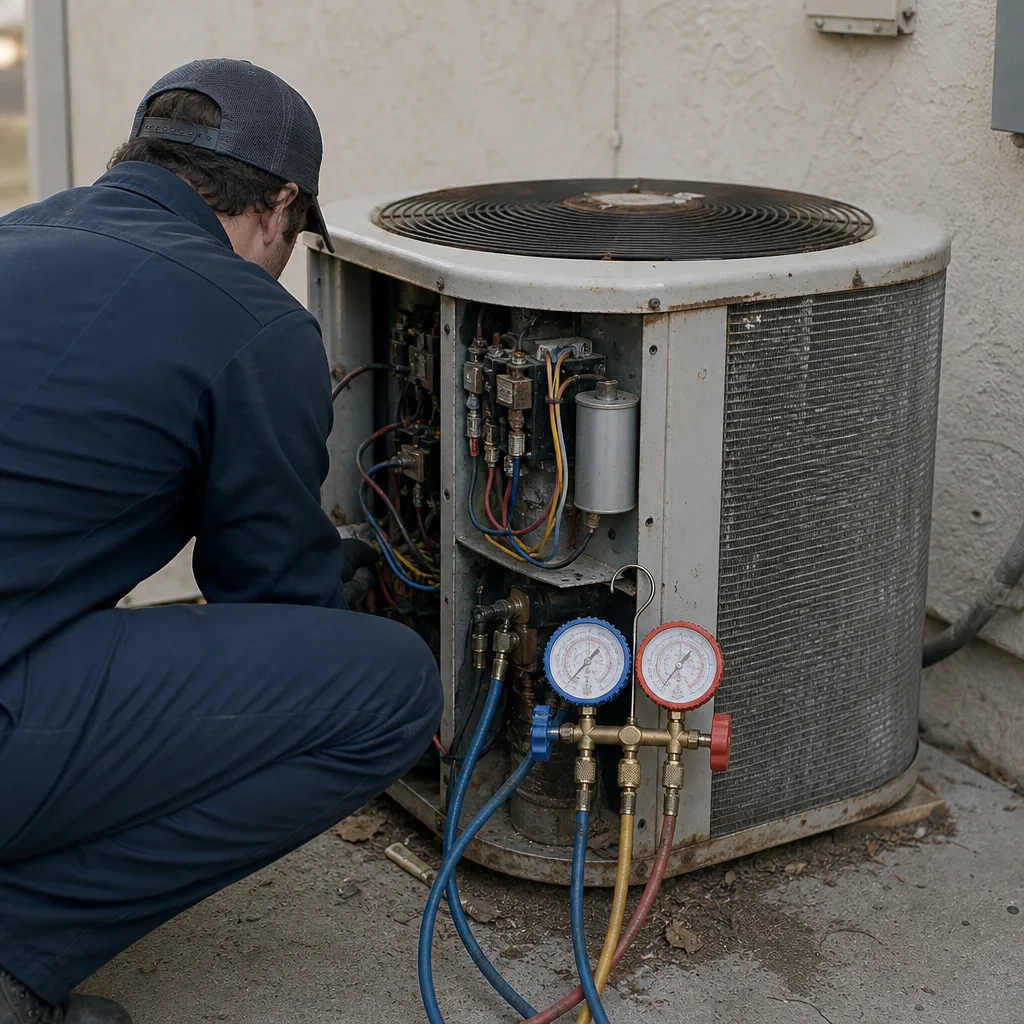 Before
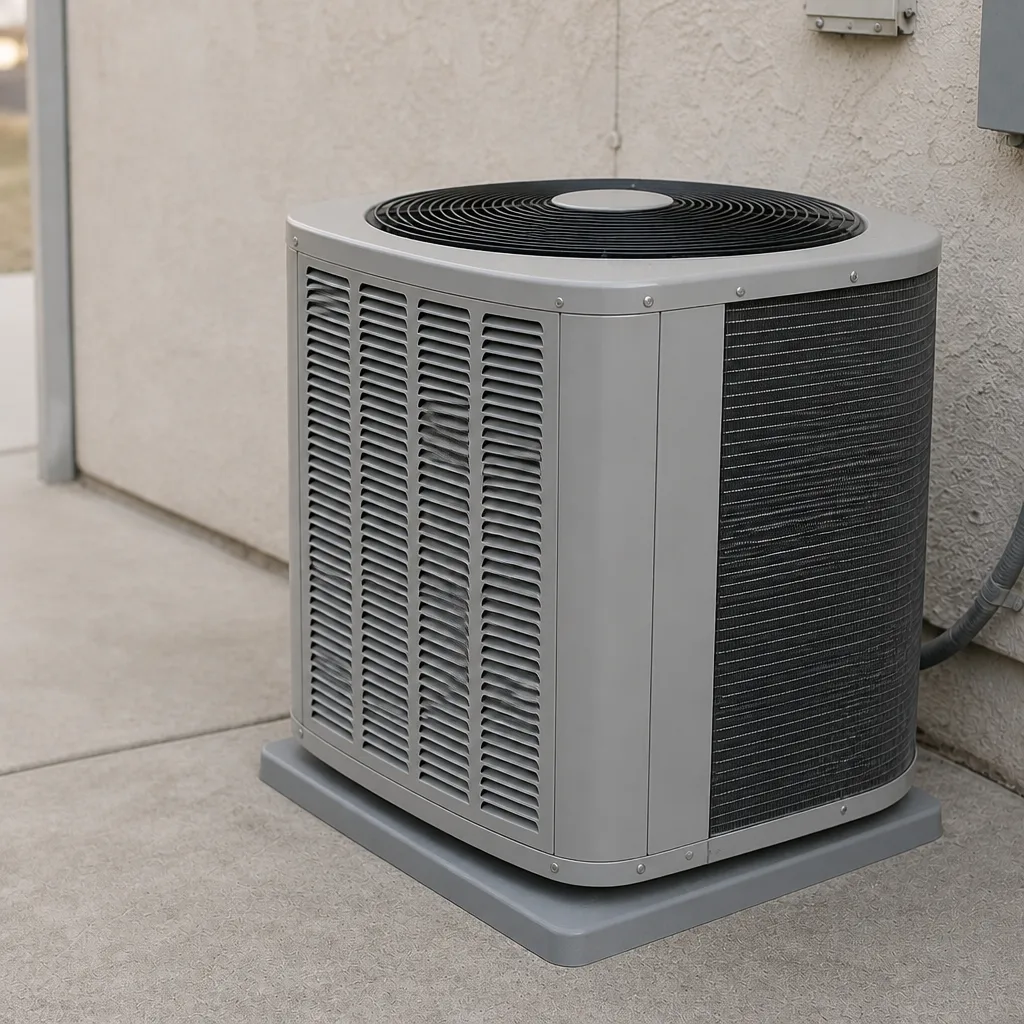 After
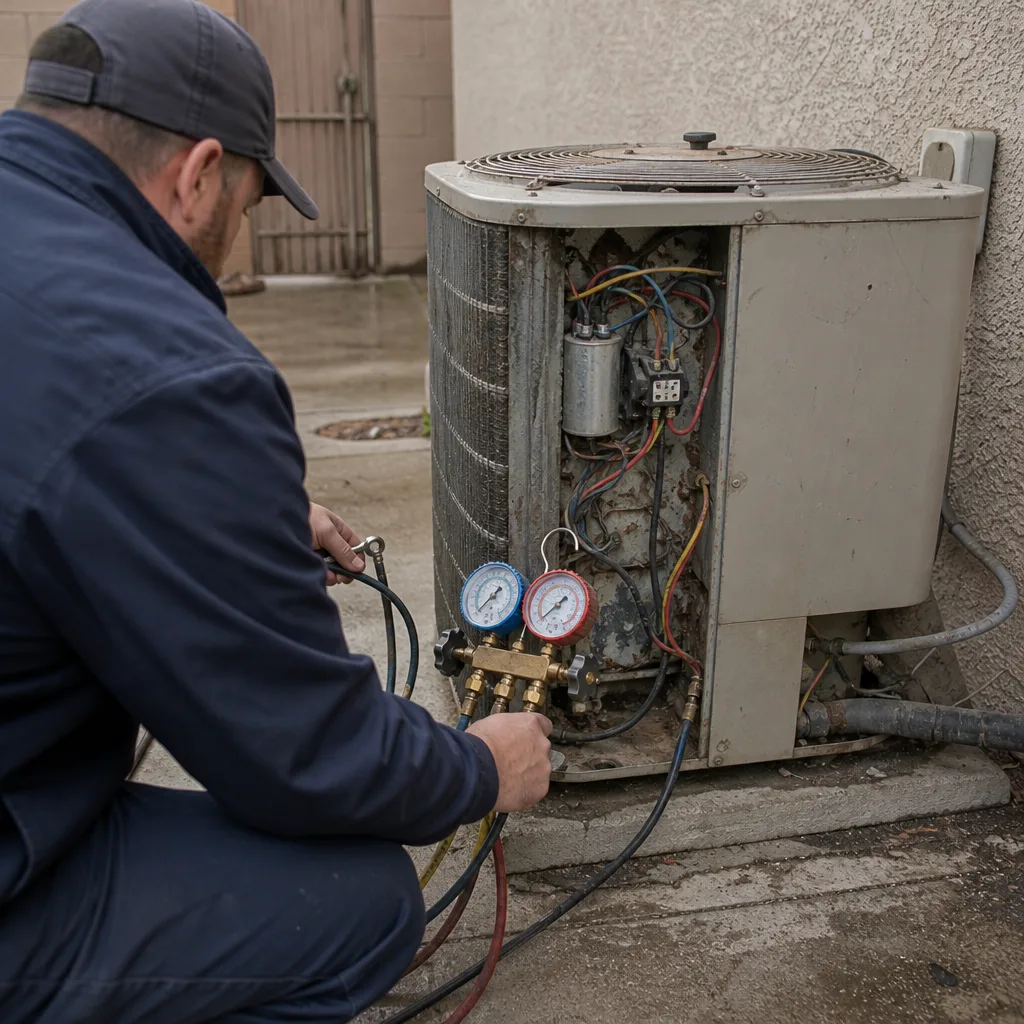 Before
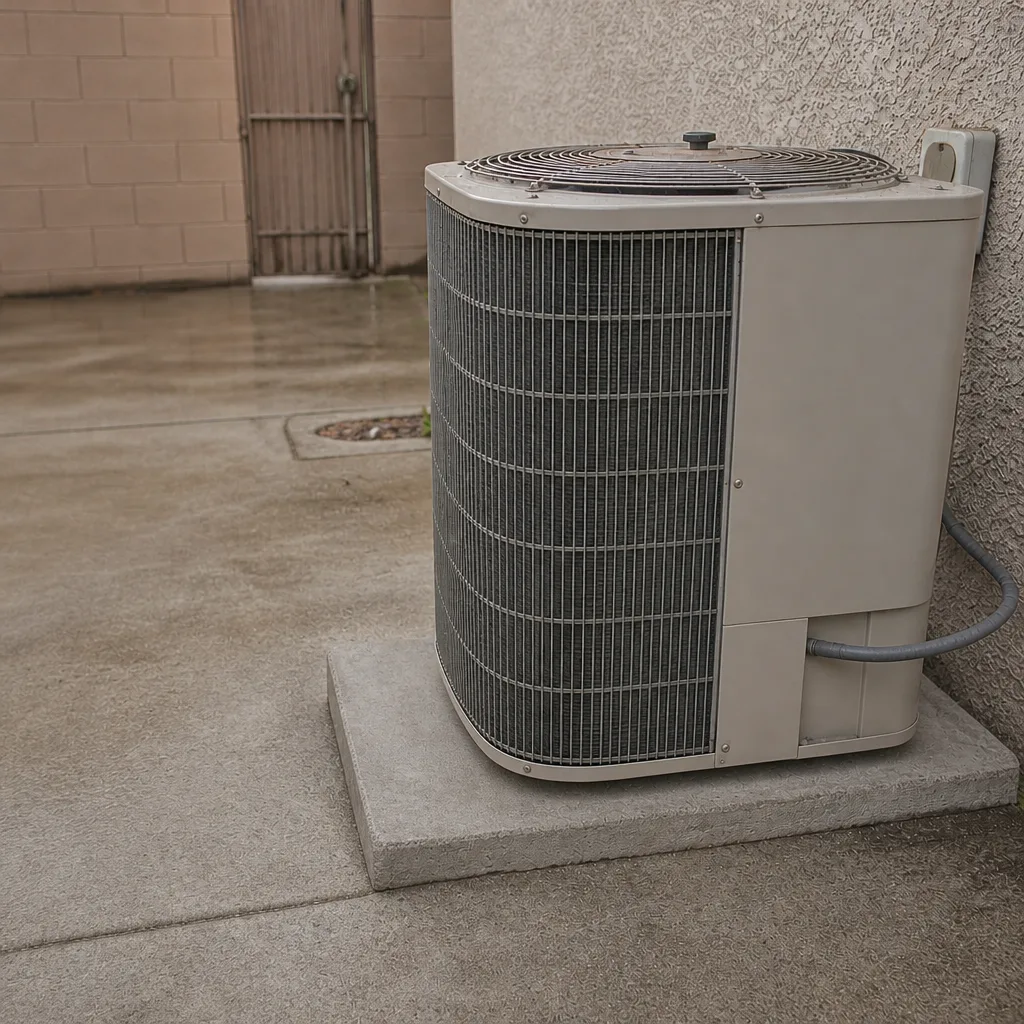 After
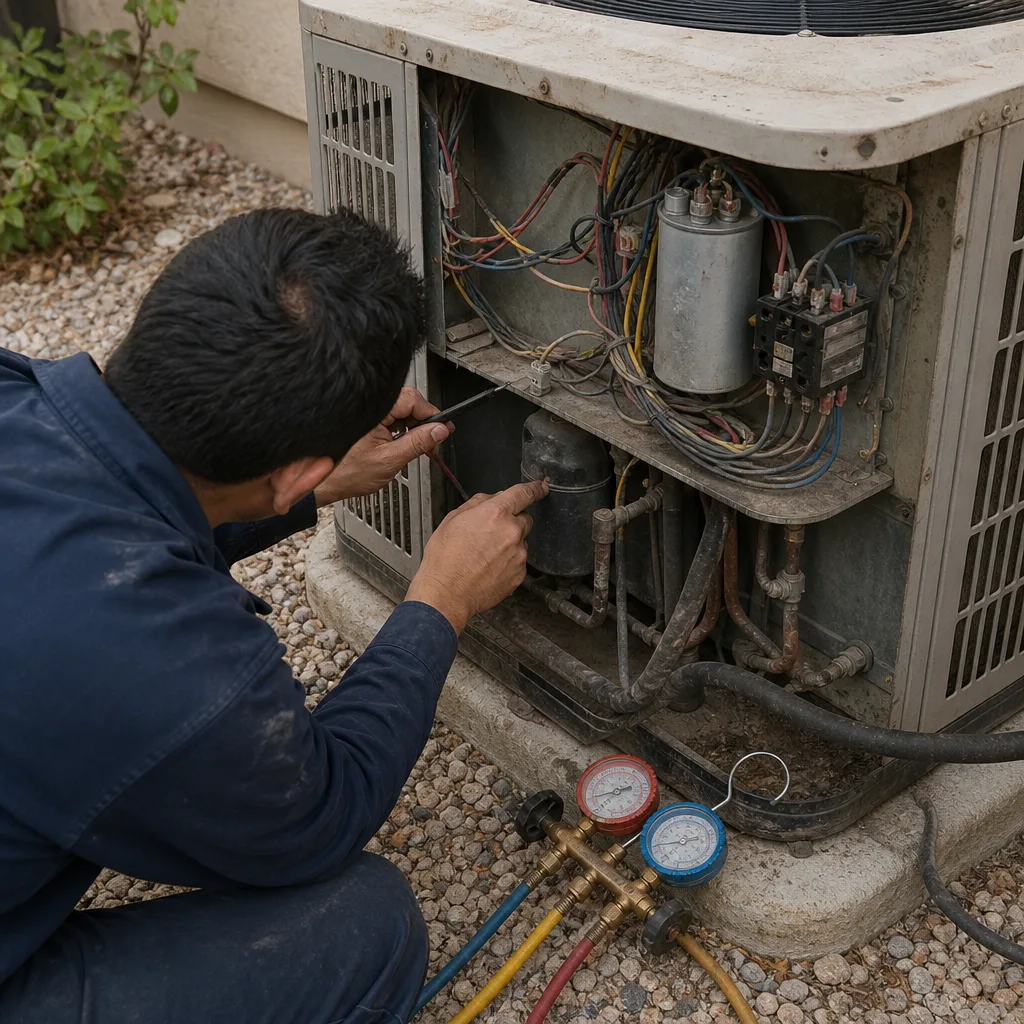 Before
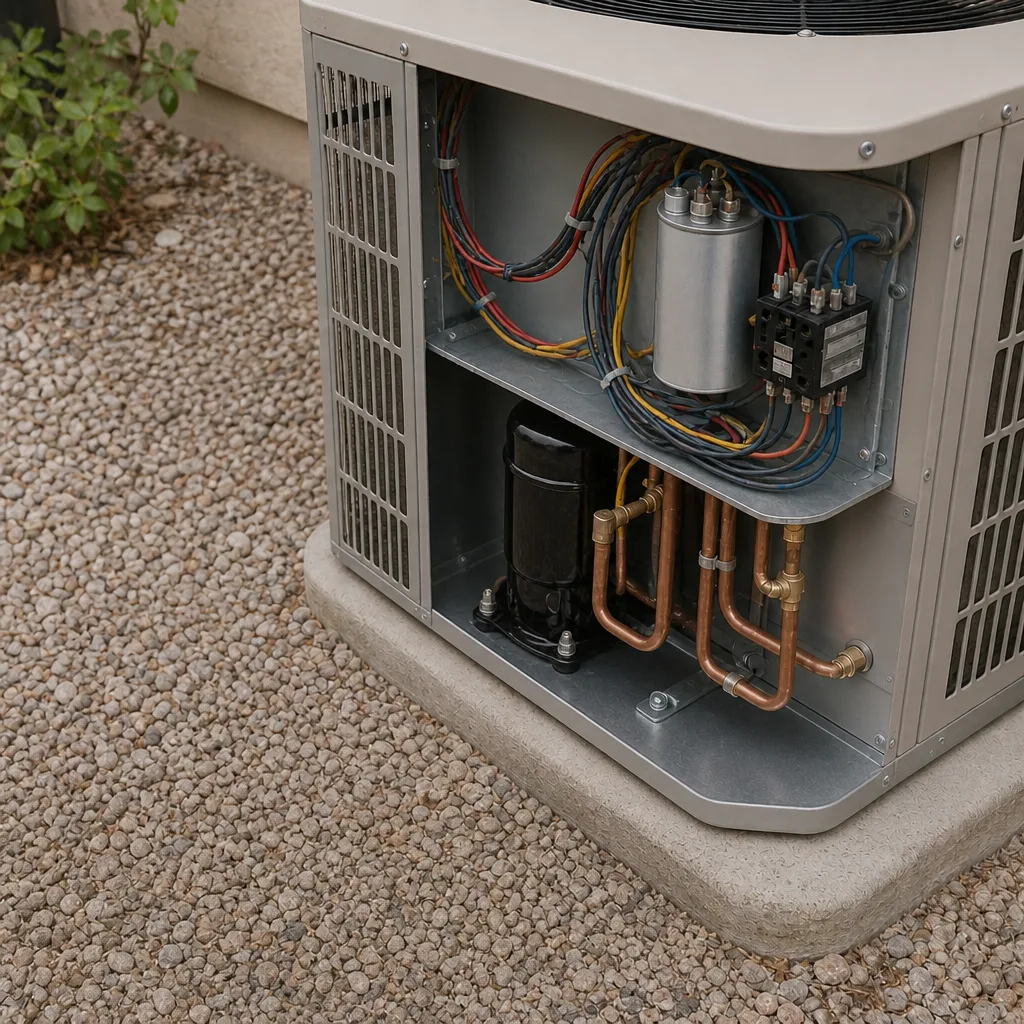 After
When to Call a Professional
Call a professional when the system isn’t cooling at all, when you see ice on the lines or the indoor coil, when the breaker trips twice, when you smell burning or hear a buzzing from the outdoor unit, or when water appears near the air handler. Call also when the indoor temperature is climbing past 90°F and anyone in the home is elderly, very young, or has a health condition, because the situation can become dangerous within hours. And call when you’re simply not sure how serious it is. Not every issue is urgent, but sorting out the urgent ones from the routine ones is faster on the phone than from a search engine at midnight. For Mesquite homes, AC Replacement Mesquite offers free estimates – call (866) 764-5851. We answer 24/7. Fast dispatch from 7am to 7pm, Sunday through Friday.
Frequently Asked Questions
Move people and pets to the coolest room, close blinds on the sunny side, shut off heat-generating appliances, and call (866) 764-5851. Then check the thermostat and the breaker once each. Don’t open windows during peak heat. Heat management comes before troubleshooting, especially when there are children or elderly residents in the home.
Same-day dispatch is often possible depending on the day’s call volume. We answer 24/7, and fast dispatch runs from 7am to 7pm, Sunday through Friday; we’re closed Saturday. Call (866) 764-5851 and describe the system. The person you speak with will tell you the realistic arrival window, and if we can’t reach you today we’ll book you into the next opening with the right priority for your household. Estimates are free.
Give them the brand and model of the outdoor unit, the approximate system age, what the system is doing right now (warm air, no air, ice, water, sounds), what the thermostat is showing, and whether anyone in the home is elderly, very young, or has a pet that can’t handle heat. The model plate is on the side of the condenser. If you can, tell them whether the breaker tripped and whether you replaced the filter.
It depends on the home, but during peak summer weeks a house without working AC can pass 95°F indoors within four hours of a failure. West- and south-facing rooms heat fastest. Once the house crosses roughly 90°F, older residents, young children, and pets are the priority, and a cooling center becomes the right call if you can’t slow the heat.
Mesquite typically uses public buildings, senior centers, and library branches as cooling sites during heat advisories. Call ahead to confirm current hours, since they can extend during heat events, and ask about pet policy before bringing an animal. If you have a nearby neighbor or family member with working AC, that’s the fastest cooling option you have.
Repair usually wins when the system is under about ten years old and has a clean repair history. Replacement is worth serious consideration on a system over 12 to 15 years, after multiple repairs on the same component, or when a repair costs a meaningful share of a replacement. Get a written fixed-price estimate for both paths before you commit. Call (866) 764-5851 for a free estimate and an honest comparison.
The Bottom Line
An AC failure in Mesquite during a heat wave is not a scheduling annoyance. It’s a situation with a clock on it, and the first 30 minutes decide how the rest of the day goes. Manage heat first, call while you’re doing it, and check only the thermostat and the breaker before you stop. Keep a small emergency kit ready, know where the local cooling centers are, and use pre-season maintenance in the spring to catch problems before they show up in July. When something looks serious, ice on the lines, a burning smell, a breaker that trips twice, warm air from a running system, call for help rather than waiting. That is what this guide is for. If you’re not sure, call (866) 764-5851 for a free estimate. We answer 24/7. Fast dispatch from 7am to 7pm, Sunday through Friday. Our technicians have up to 10 years of experience and they work on nearly every major brand, including yours.
Written by the team at AC Replacement Mesquite.