
Last updated November 17, 2026
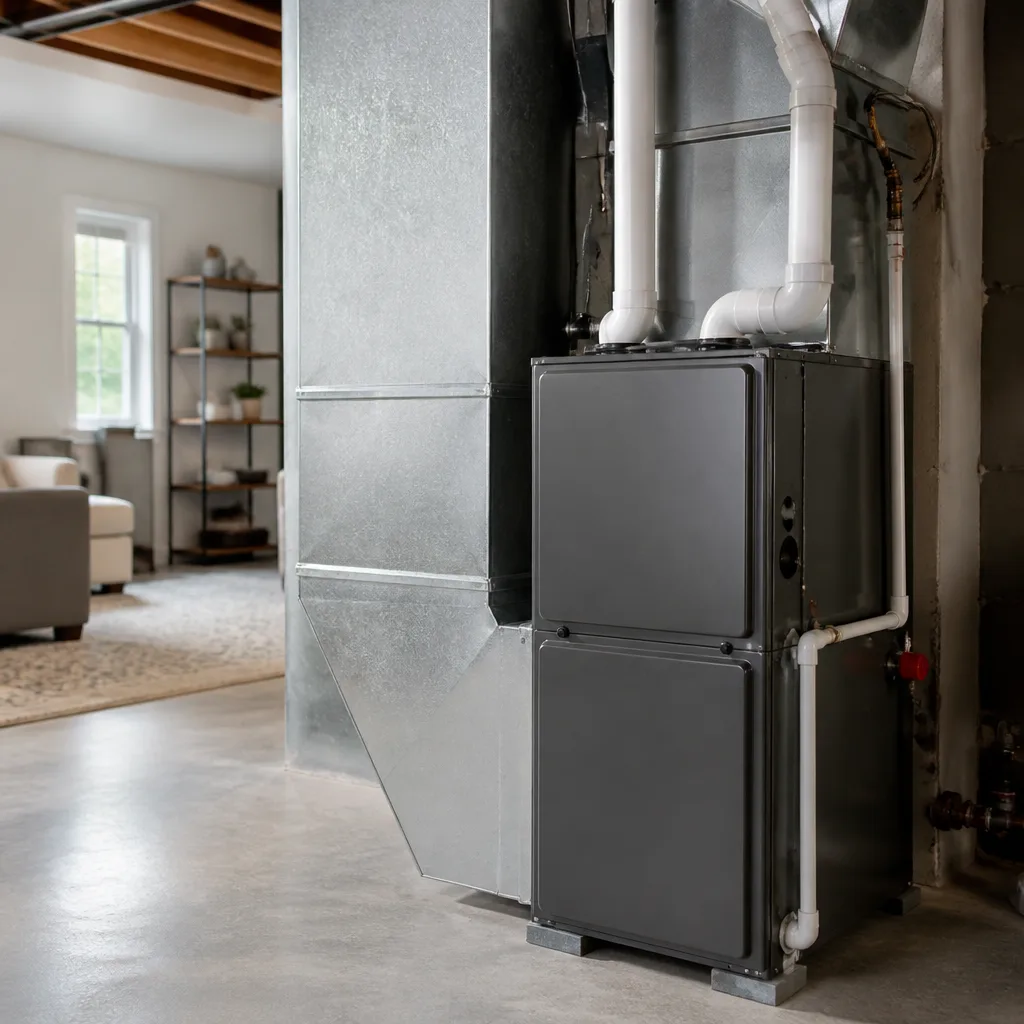 Furnace & heating
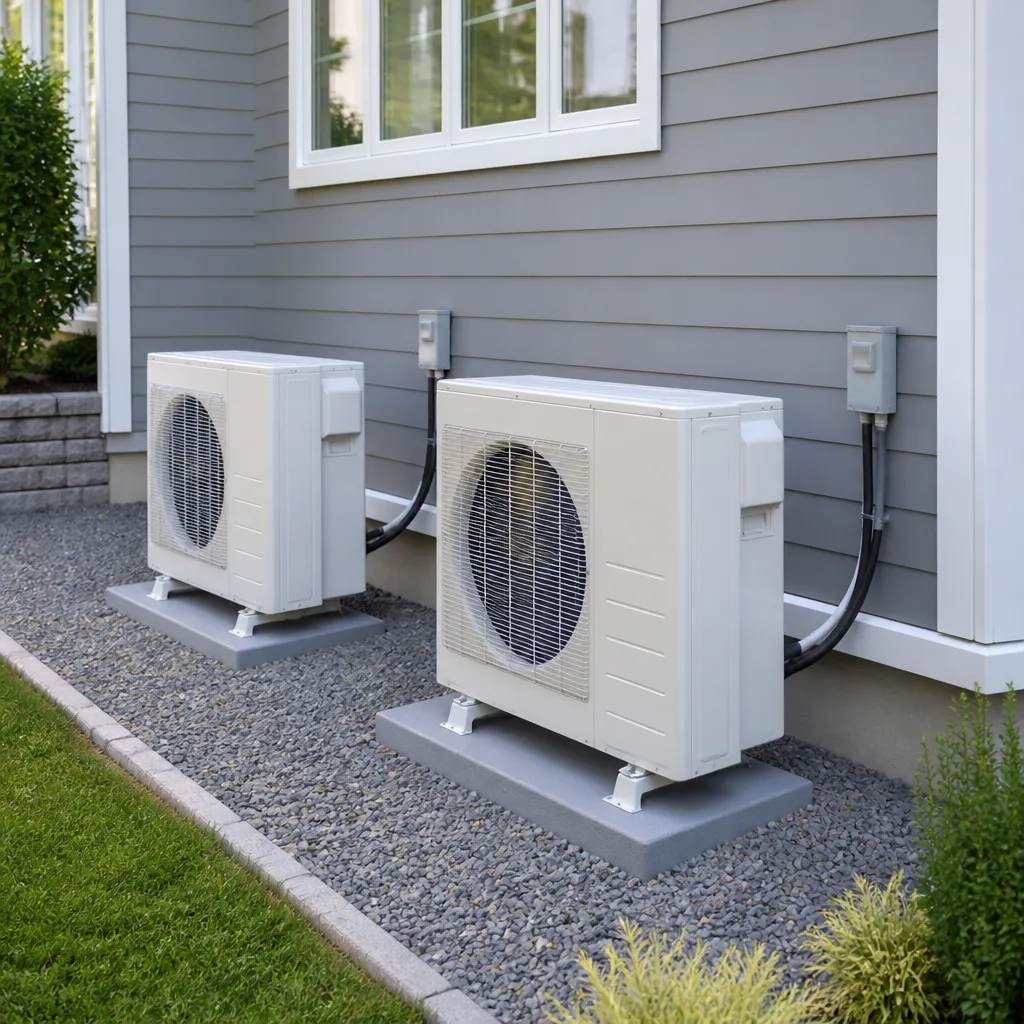 Heat pumps
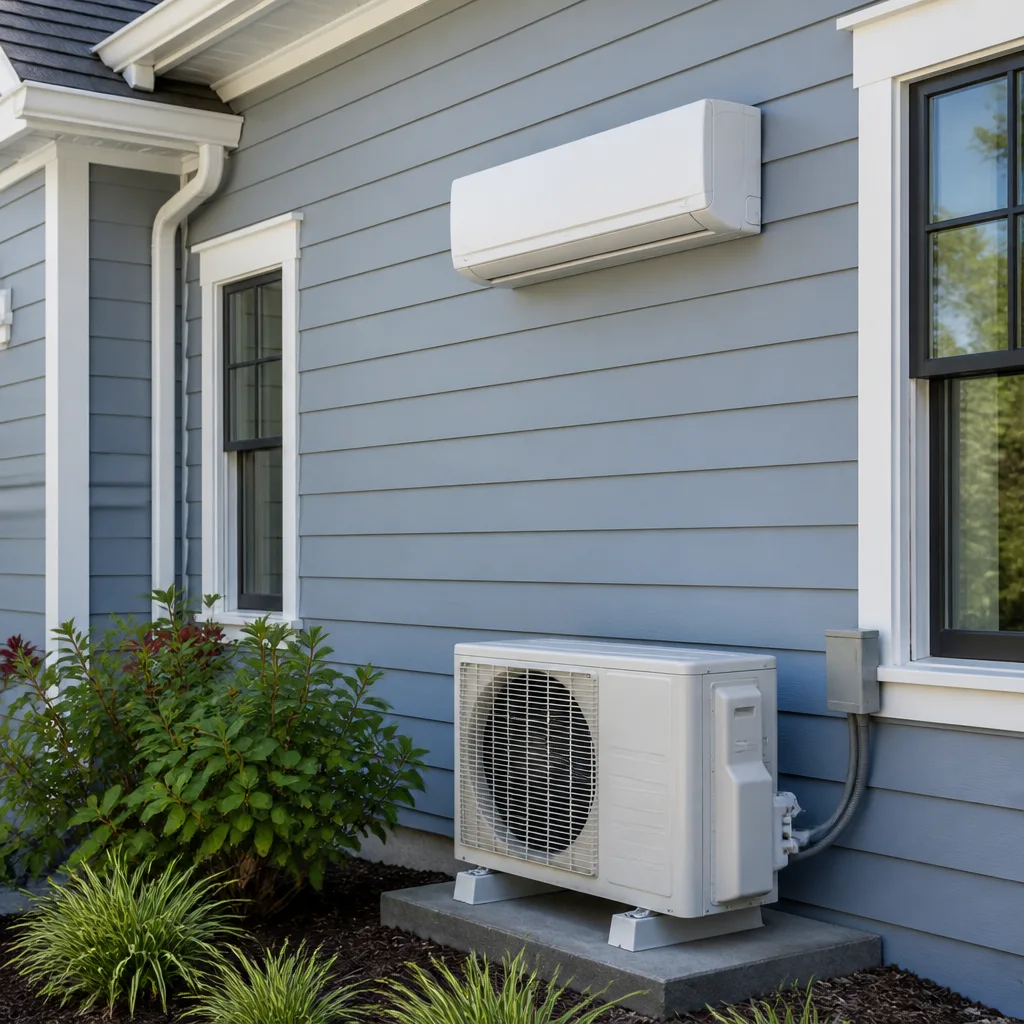 Ductless mini splits
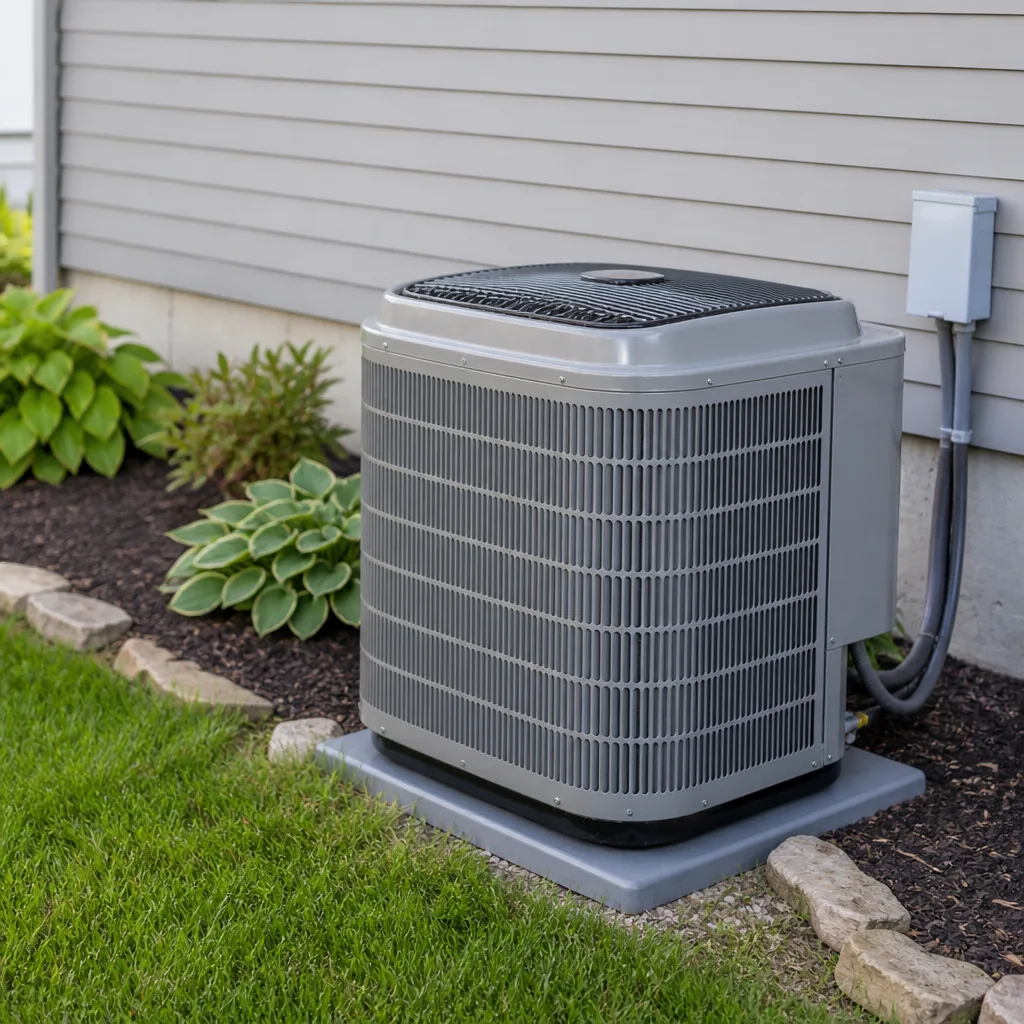 Carrier
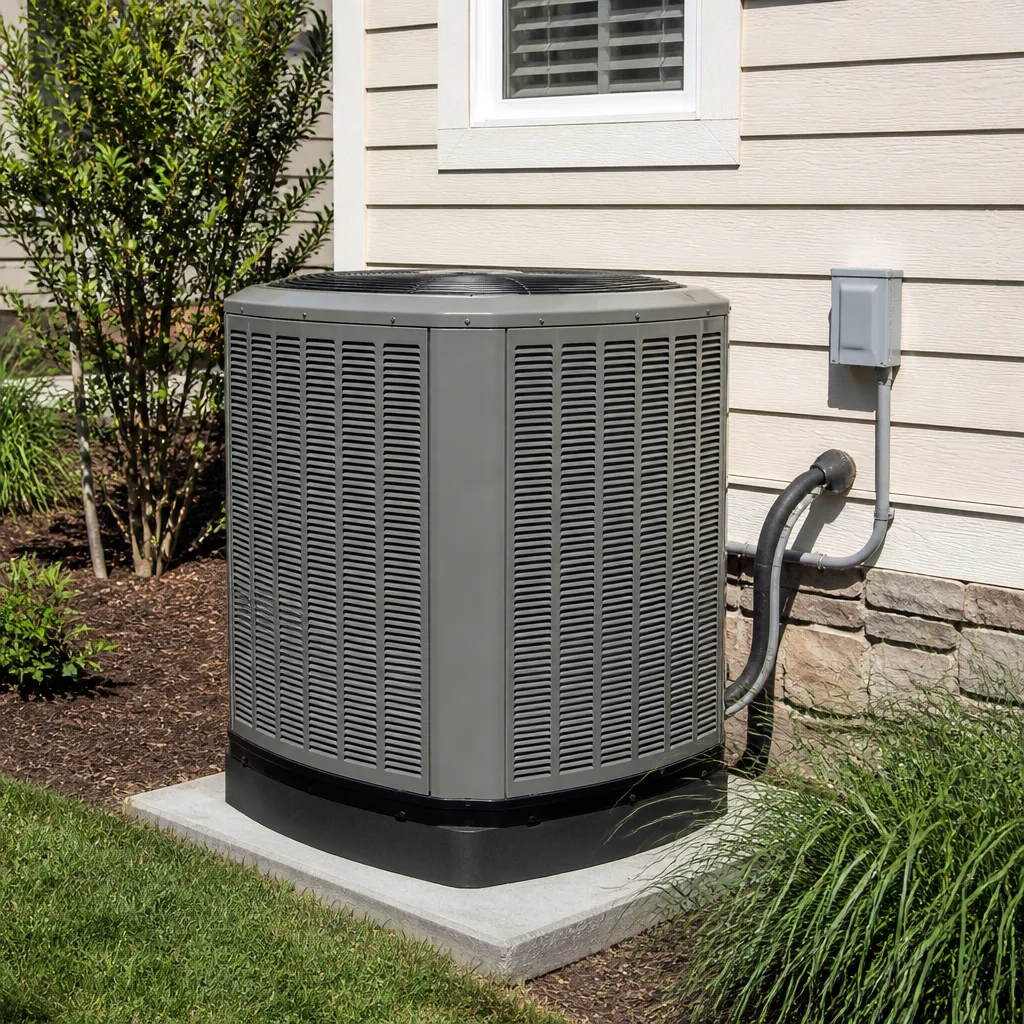 Trane
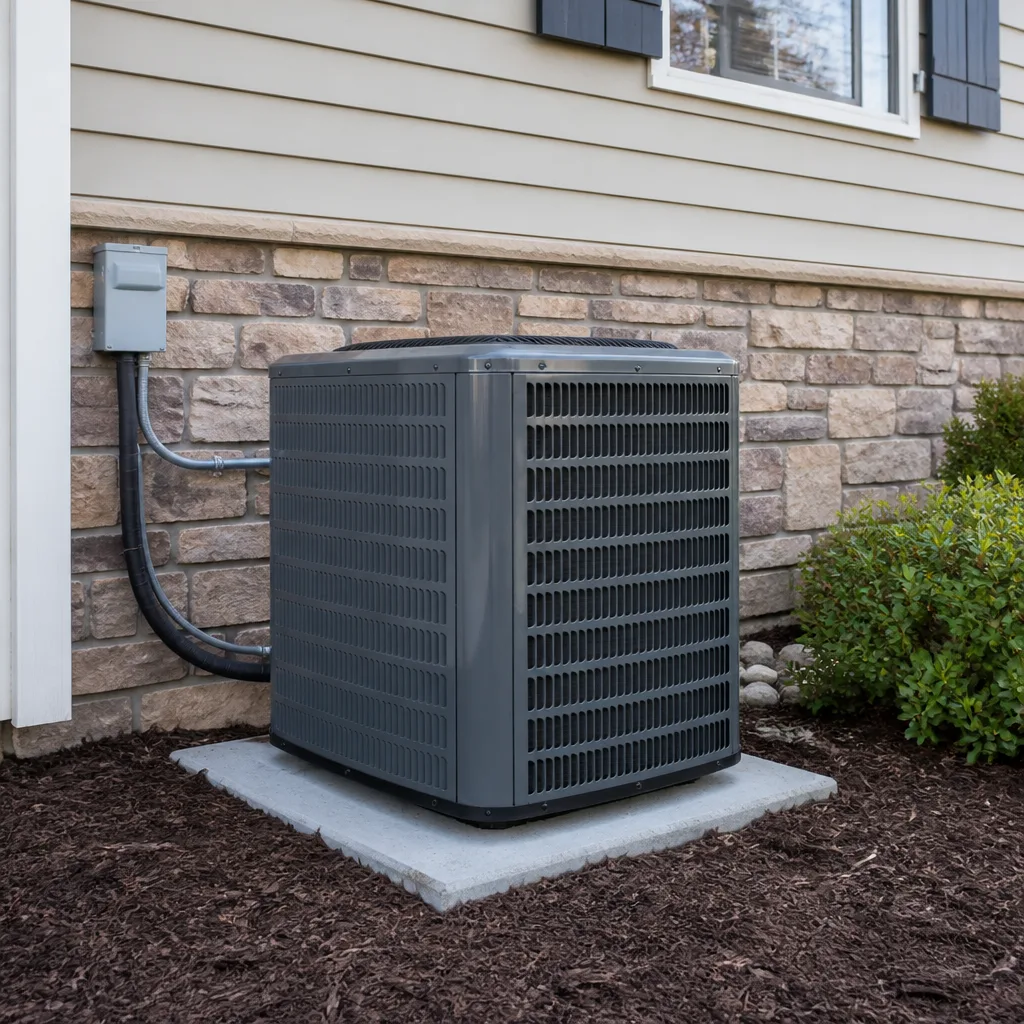 Goodman
Seasonal tune-up and full diagnostic on your Carrier, Trane, or Goodman system - readings shown to you before any repair is proposed
Diagnosis first, numbers second - you approve the repair price before a single part goes in.
Get your free estimateHVAC Warning Signs: A Mesquite Homeowner’s Reference Guide
Most HVAC warning sign lists make the same mistake: they treat every symptom as equally urgent. A faint rattle and a compressor that’s short-cycling get listed side by side, as if you have the same amount of time to act on both. In Mesquite, you don’t. The desert heat changes the math on every warning sign. A refrigerant leak that gives a homeowner in a mild climate weeks to respond can take a compressor out in under a week here, because the system runs at full load for hours on end with no relief. This guide ranks HVAC warning signs by how fast they escalate in Mesquite’s summer, not by how loud they are. You’ll learn which symptoms demand a same-day call, which can wait a week, and which belong on your next maintenance visit.
Quick Answer
In Mesquite, the warning signs that escalate fastest are ice on refrigerant lines despite outdoor temperatures over 100°F, a compressor that short-cycles under peak load, and rising indoor humidity during peak summer. These three can turn a repairable problem into a failed compressor or a full system replacement within days. Rattles, weak airflow from a few vents, and thermostat quirks are usually slower-moving and belong on a scheduled maintenance visit rather than an emergency call.
Styles & brands we work with
- AC installation
- Furnace & heating
- Heat pumps
- Ductless mini splits
- Carrier
- Trane
- Goodman
Table of Contents
- The Three-Tier Urgency System
- Desert-Specific Warning Signs Other Lists Miss
- Refrigerant Issue or Airflow Issue? How to Tell Without Tools
- Ductwork Failure vs. Equipment Failure
- The Warning Sign Homeowners Ignore: Rising Indoor Humidity
- What Each Noise Is Telling You
- The Slow-Burn Signs That Predict Replacement
- A 10-Minute Monthly Checklist
The Three-Tier Urgency System
Every warning sign on this page falls into one of three tiers. The tier tells you how fast to act, not how bad the problem sounds.
Tier 1 – Same-day. These signs mean the system is damaging itself right now, or will within 24 to 48 hours. In Mesquite’s summer, a Tier 1 sign on Monday can become a dead compressor by Thursday. Call today.
Tier 2 – Within a week. These are real problems that will get worse, but they aren’t actively destroying components. You have time to schedule a proper diagnosis without the risk of a catastrophic failure.
Tier 3 – At next maintenance. These are inefficiencies, minor annoyances, and early indicators. Note them, mention them at your next tune-up, and don’t lose sleep.
Here’s how the most common symptoms rank in Mesquite’s climate:
- Ice on refrigerant lines when it’s over 100°F outside: Tier 1
- Compressor short-cycling during peak heat: Tier 1
- Indoor humidity climbing during peak summer: Tier 1 if it’s sudden, Tier 2 if it’s gradual
- Warm air from vents with the system running constantly: Tier 1
- Loud condenser fan noise under load: Tier 2
- Weak airflow from several vents at once: Tier 2
- Weak airflow from one vent: Tier 3
- Occasional rattle or hum: Tier 3
- Slight increase in run time: Tier 3
The reason the desert compresses timelines is simple physics. In a mild climate, an undercharged system might run at partial load for weeks. In Mesquite, it runs at maximum output for 14 hours a day, and every one of those hours the compressor is working harder than it should. That’s the difference between a slow decline and a fast one.
Desert-Specific Warning Signs Other Lists Miss
Generic HVAC warning sign lists are written for the national average. That average includes Seattle, Minneapolis, and Atlanta. Mesquite is not the national average. These are the signs that show up here and almost never make a national list.
1. Ice on refrigerant lines when it’s over 100°F outside
This is the single most misunderstood warning sign in Mesquite. Homeowners see ice on the copper lines and think the system is cooling well. The opposite is true. Ice on the outdoor lines during extreme heat means the refrigerant charge is low or the airflow across the indoor coil is restricted. The coil is dropping below freezing even in 105°F weather, which is physically abnormal. Call the same day. This is not a sign that will resolve on its own, and every hour of running it this way wears the compressor.
2. Unusual cycling patterns during extreme heat
A properly charged system runs in long cycles during peak heat. That’s normal and expected. What’s not normal is short-cycling: starting and stopping every five to ten minutes while the house isn’t reaching setpoint. In a milder climate you might get away with watching this for a few weeks. In Mesquite, short-cycling under maximum load is one of the fastest paths to a failed compressor because each start draws a surge of current. Treat it as Tier 1.
3. Condenser fan noise that appears only under load
Fan bearings can sound fine during a mild morning and begin grinding by 2pm when the condenser is working hardest. If you hear a new noise that only appears during the hottest part of the day, that’s a bearing or motor issue that will worsen quickly under thermal stress. Tier 2 in most cases, but don’t let it sit indefinitely – a seized fan motor is a compressor killer in this heat.
4. Discoloration or scorching at the outdoor disconnect
Look at the electrical box mounted on the wall near your condenser once a season. Any browning, melting, or burnt smell around that disconnect is a serious safety issue. This is electrical work and not something to inspect closely yourself. If you notice anything, turn the system off at the breaker and call a licensed professional immediately.
Refrigerant Issue or Airflow Issue? How to Tell Without Tools
Two of the most common problems in Mesquite cooling systems – low refrigerant and restricted airflow – produce very similar symptoms. Knowing which one you’re probably dealing with helps you describe the problem accurately and understand what to expect from a diagnostic visit.
Here’s the observer’s method. No gauges, no thermometers, no tools.
- Check the air filter first. A clogged filter is the most common cause of restricted airflow. In Mesquite, dust accumulates faster than in most climates. If the filter is visibly loaded, replace it and wait an hour before judging anything else.
- Feel the air at a supply vent. If airflow feels normal but the air is barely cool, lean toward a refrigerant issue. If airflow feels weak everywhere but the air that does come out is cold, lean toward an airflow problem.
- Check the indoor coil area for moisture. Look at the indoor unit in your garage or closet. If the coil area is frosting or dripping heavily when it’s dry outside, that’s a refrigerant restriction pattern.
- Look at the outdoor unit. Ice on the lines with the fan running? Refrigerant or severe airflow restriction indoors. Fan not running? Different problem – could be a capacitor, motor, or control issue.
- Note which vents are affected. One weak vent suggests a duct problem. All weak vents suggest a filter, blower, or coil problem.
The refrigerant side of this comes down to one rule: refrigerant is not a consumable. If it’s low, it leaked somewhere. Adding refrigerant without finding and fixing the leak is a temporary patch at best. Any technician who offers to “top it off” without a leak search is doing you a disservice. If you suspect a refrigerant issue in your Mesquite home, AC repair starts with a proper leak search, not a shot of refrigerant. Look for a shop that treats it that way.
Ductwork Failure vs. Equipment Failure
Ductwork problems and equipment problems both cause discomfort, but they have completely different urgency levels and cost trajectories. Getting the distinction right matters, because one of them usually gets worse silently and the other can be caught early.
Signs pointing to equipment failure
- Loud noises coming from the outdoor condenser itself
- Ice on refrigerant lines
- Short-cycling under load
- Warm air at every vent simultaneously
- Burning or electrical smells
- Tripped breakers at the panel
These are Tier 1 or Tier 2 signs. Equipment failures in Mesquite escalate quickly because the equipment is running at maximum demand.
Signs pointing to ductwork failure
- Some rooms are consistently warmer than others
- Weak airflow at specific vents while others are strong
- Whistling or rushing sounds at vents
- Dust visible at register edges
- Humidity issues in one part of the house but not another
- Higher electricity bills without a corresponding change in outdoor temperature
Duct failures are usually Tier 2 or Tier 3. They waste energy every hour and get worse over a season, but they don’t typically destroy equipment overnight. The catch is that a badly leaking duct or one that’s come apart in an attic can cause the system to run longer and strain the equipment indirectly. So don’t ignore them indefinitely. But the urgency is different.
Mesquite homes often run ductwork through hot attics or shallow chases. Attic ducts in this climate experience some of the highest temperature differentials in the country, and the material stress adds up over years. If you’ve never had your ducts inspected and you’re noticing room-to-room inconsistencies, that belongs on your radar before you start thinking about a full system replacement.
The Warning Sign Homeowners Ignore: Rising Indoor Humidity
This is the one homeowners consistently wait too long on. Indoor humidity that climbs during peak summer is a Tier 1 sign, not a comfort complaint.
An air conditioner isn’t just a cooling device. It’s a dehumidifier. As air crosses the cold indoor coil, moisture condenses out and drains away. When indoor humidity climbs inside a Mesquite home during July and August, it means one of several things is happening:
- The coil is not cold enough, often because the refrigerant charge is off
- Airflow is too high, so air passes over the coil too quickly to shed moisture
- The system is oversized, running short cycles that don’t pull out moisture
- The drain line is blocked and moisture has nowhere to go
- Duct leaks are pulling humid outside air into the system
In any of those cases, running the system this way is either inefficiency or active damage. On top of that, elevated indoor humidity in a Mesquite home makes the space feel warmer than the thermostat reads, which drives you to lower the setpoint, which increases load, which makes everything worse.
A simple rule: if your house feels sticky at 78°F but felt comfortable at 78°F a month earlier, and it’s peak summer, treat the change as Tier 1 or high Tier 2. The humidity test is the earliest readable signal a Mesquite homeowner has, and it’s the one most people skip because it isn’t dramatic. If the change is sudden, call the same day. If it’s gradual, don’t let it ride past your next maintenance visit.
If you’re noticing any of these signs and your system is on the older end, it’s worth knowing when a repair makes sense and when a replacement does. That’s a judgment call a good specialist will walk you through, but the AC Replacement Mesquite decision should never come from a pressure sales pitch. It should come from a technician who’s told you what’s actually failing and what it costs to fix.
What Each Noise Is Telling You
Noises aren’t diagnostic on their own, but they’re the earliest warning sign most homeowners can hear. Here’s how to translate the common ones into urgency tiers.
Indoor unit (furnace/air handler)
- Rattling at startup only: Often a loose panel. Tier 3. Have it looked at during the next visit.
- Continuous screeching or high-pitched whine: Blower bearing or motor wear. Tier 2. It won’t fix itself.
- Clunking on startup and shutdown: Electrical or motor issue. Tier 2, or Tier 1 if it’s paired with warm air.
- Loud buzzing that didn’t exist before: Could be electrical, could be a failing capacitor. If it’s paired with a smell, turn it off at the breaker and call.
Outdoor condenser
- Fan blade wobble or scraping: Tier 2. Bearing or blade issue that will worsen under peak load.
- Compressor “chattering” or clicking before tripping off: Tier 1. Short-cycling is happening because of an electrical or control problem.
- Persistent grinding under load: Tier 2. Often a fan motor bearing on its way out.
- Loud squealing at first cycle of the day: Tier 2. Do not ignore it – a seized motor in July is a serious repair.
Our technicians have up to 10 years of experience, and across brands like Carrier, Trane, and Bryant they’ve learned that noise patterns vary by manufacturer and installation. A sound that’s normal on one brand might be an early warning on another. If you hear something new that only happens when the system is working hardest, that matters more than a sound you’ve always heard. Call and describe where the sound is coming from and when it appears – that alone can speed up a diagnosis.
The Slow-Burn Signs That Predict Replacement
Not every warning sign is a repair problem. Some are replacement indicators. The distinction matters because it changes what you should do with the information.
These signs don’t demand an emergency call, but they tell you it’s time to start planning:
- Rising electricity bills without a matching change in weather. The system is working harder for the same result. In Mesquite, bill creep during June and September is a strong signal.
- Repairs adding up year over year. If you’re spending on repairs more often than once a season, the math starts to point toward replacement.
- Refrigerant leaks that come back. A leak that’s been found and repaired once is repairable. A system that’s been recharged three times has a chronic leak that will not stop.
- Comfort that never quite returns after a repair. You fixed the symptom, but the house doesn’t hold setpoint the way it used to.
- Humidity that drifts up season over season. The system is losing its ability to dehumidify effectively.
- Noise patterns that have gotten steadily louder over multiple seasons. Cumulative wear is showing.
- Duct leaks that keep appearing in different parts of the house. The duct system itself is aging out.
Planning a replacement on your own schedule is far better than having it forced on you in July. If several of these signs are showing at once in your Mesquite house, it’s worth a conversation about AC installation before the next system fails. You don’t have to decide today. You just have to know what you’re deciding.
When you do get there, brand choice matters more than brand loyalty. We work on nearly every major brand, and we don’t sell any one of them preferentially. We recommend what fits the house, the budget, and how long you plan to stay. Whether that’s a Carrier, a Rheem, or an American Standard system comes down to what makes sense for your situation, not what a manufacturer wants us to push.
A 10-Minute Monthly Checklist
You don’t need tools for this. Ten minutes once a month during cooling season will catch most of the warning signs on this page before they escalate.
- Check the filter. Hold it up to a light. If you can’t see light through it clearly, replace it. In Mesquite, replaces happen more often than the manufacturer’s suggestion – dust is a fact of life here.
- Feel the air at two or three supply vents. All similar, cool, and strong? Good. Any one noticeably weaker or warmer? Note it.
- Look at the outdoor unit. Fan spinning smoothly? No ice on the lines? No new sounds under load?
- Smell the air around the indoor unit. Any musty, burning, or unusual odor is worth a call.
- Check the thermostat reading against reality. Set it to a moderate temperature, wait 15 minutes, and see if the house is tracking. Big gaps matter.
- Walk the house mid-afternoon on a hot day. Any room noticeably more humid or warmer than the rest? Any vents whistling?
- Look at the electrical disconnect near the condenser. No browning, melting, or scorching. If there is, don’t touch it – call.
- Glance at the drain line and drain pan. Water in the pan when the system has been running all day is a problem.
- Check your electricity bill against the same month last year. Bill creep without a weather explanation is a Tier 3 signal worth noting.
- Note anything new. Write down new sounds, new smells, new comfort issues. Patterns are what technicians can act on.
A monthly routine costs you ten minutes. Ignoring the signs until the system fails costs you a repair in the middle of summer at full urgency. If you want a deeper annual inspection, that’s what a proper AC maintenance visit is for. It catches what a homeowner checklist can’t see – pressures, amp draws, and coil conditions.
Common Mistakes to Avoid
- Waiting for a warning sign to become a crisis. In Mesquite’s heat, warning signs don’t sit still. The same symptom that was Tier 2 in April is Tier 1 in July, and homeowners who wait for a dramatic failure end up paying for a compressor instead of a capacitor. The climate here does not give you the same timeline it gives homeowners in cooler parts of the country.
- “Topping off” refrigerant without a leak search. Refrigerant doesn’t get used up like fuel. If it’s low, it leaked. A technician who recharges without finding the leak is selling a temporary patch. Every charge cycle that follows draws the system closer to compressor failure, especially when it runs at peak load in 105°F weather.
- Ignoring rising indoor humidity because the temperature feels fine. Humidity issues in a Mesquite home usually appear before temperature failures. If you’re comfortable at a lower thermostat setting than you used to be, that’s the humidity warning, and it belongs on your radar, not in the “wait and see” category.
- Assuming an ice-covered line means the system is cooling well. In this climate, ice on the outdoor refrigerant lines during extreme heat is the opposite – a sign the system is undercharged or airflow-restricted. Letting it run this way wears the compressor fast.
- Replacing the whole system for a duct problem. Duct leaks, disconnected runs, and separated joints all cause comfort issues that look like equipment failure. A thorough diagnosis separates the two before you spend on a replacement you may not need.
- Letting Saturday become your maintenance day. Many Mesquite homeowners put off maintenance calls thinking they’ll catch up on the weekend. We’re closed Saturdays. If a sign appears during the week, act on it then. Booking for Sunday or an early morning slot keeps the system from running on a problem through the weekend.
- Choosing a brand before choosing a technician. A great Carrier install by a technician who sized the system wrong is a worse outcome than a well-sized Goodman install. Ask about the technician’s diagnostic process and how they handle refrigerant leaks before you ask about the brand.
See the difference
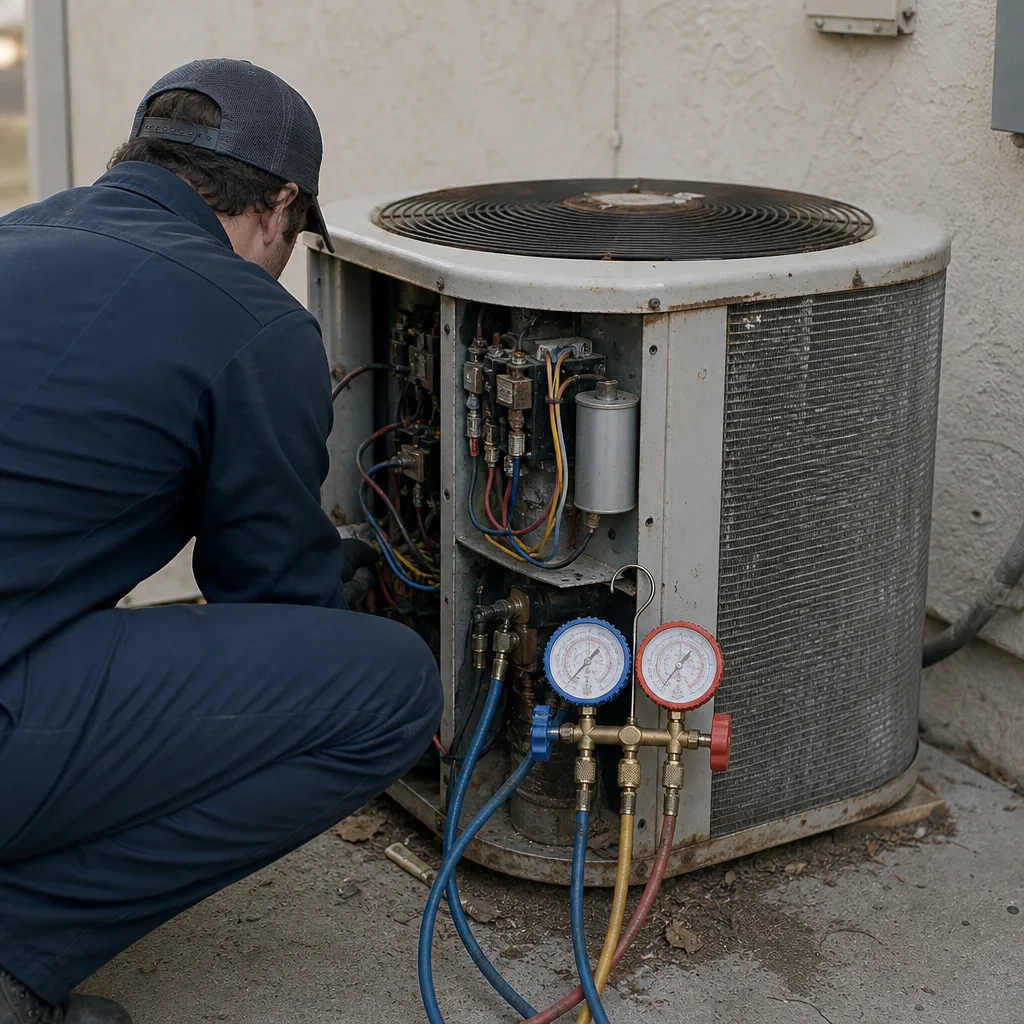 Before
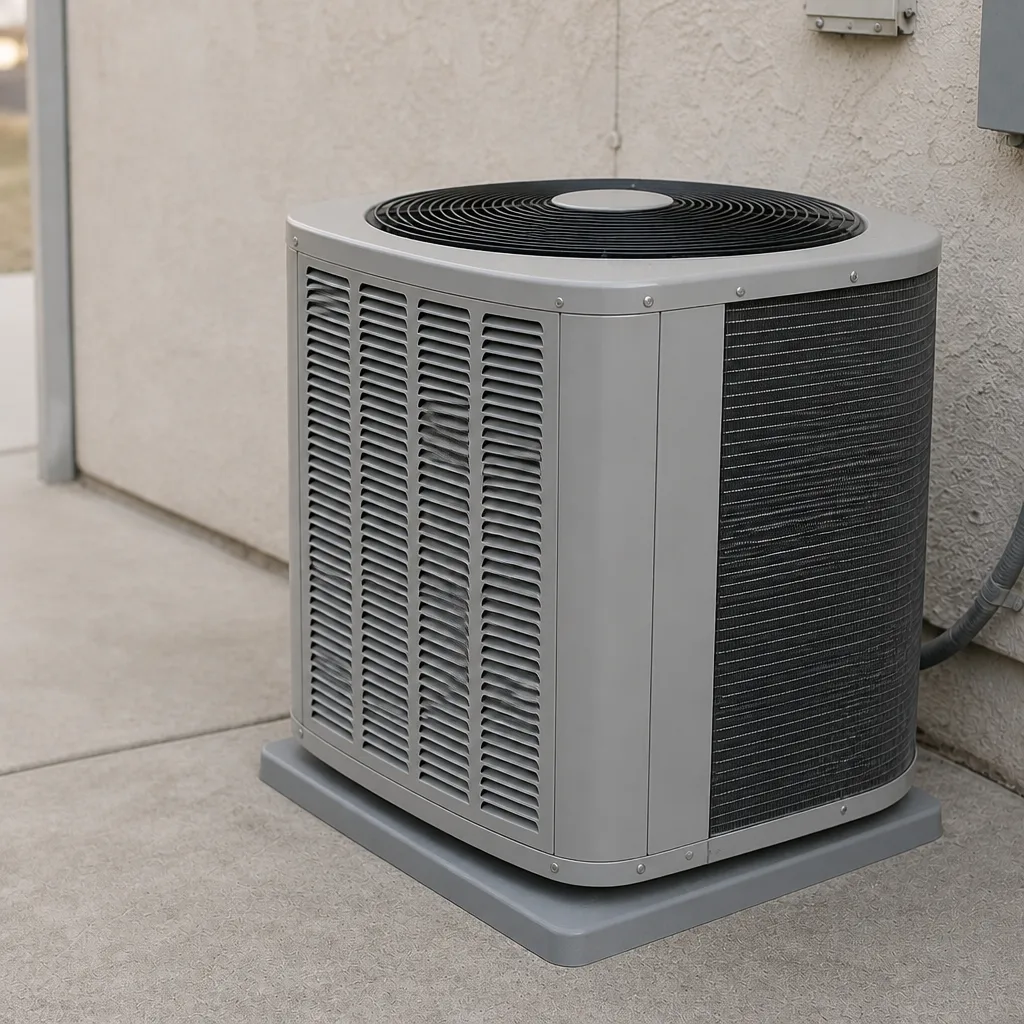 After
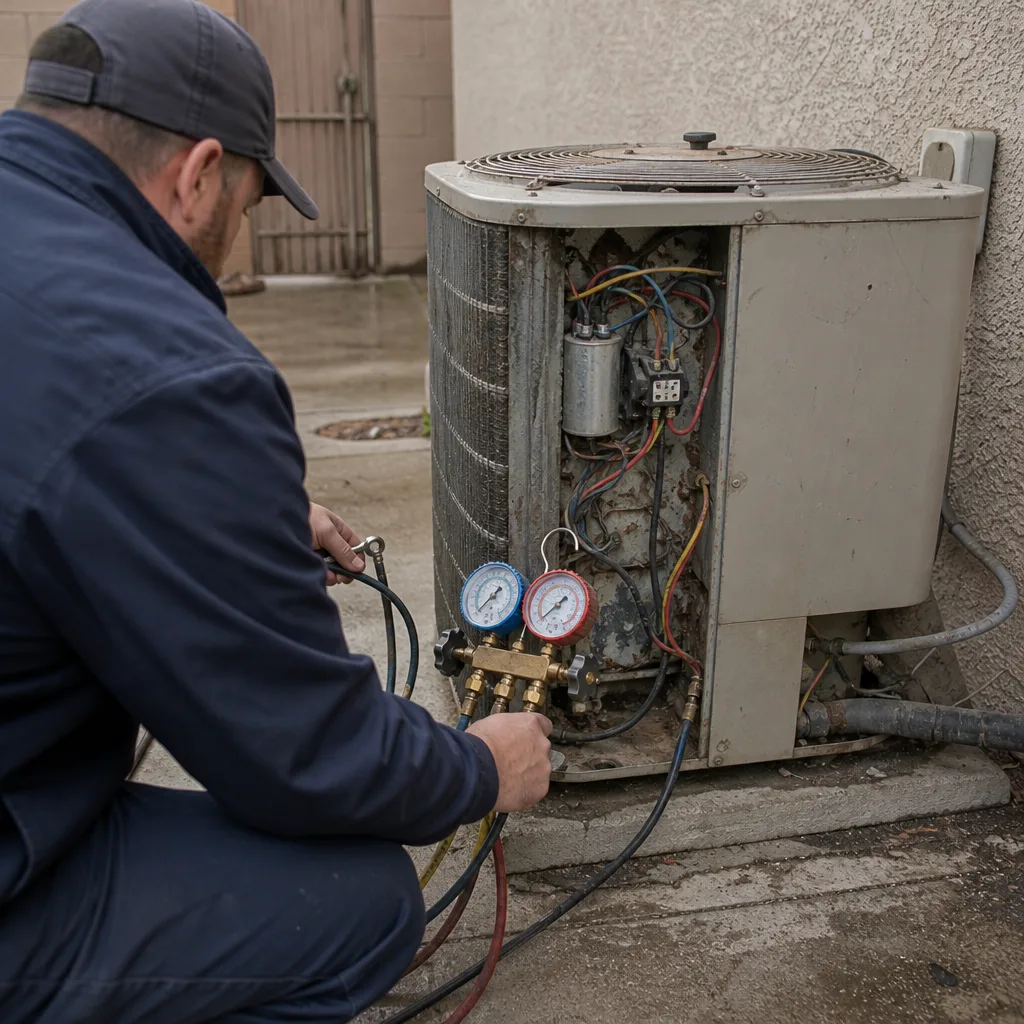 Before
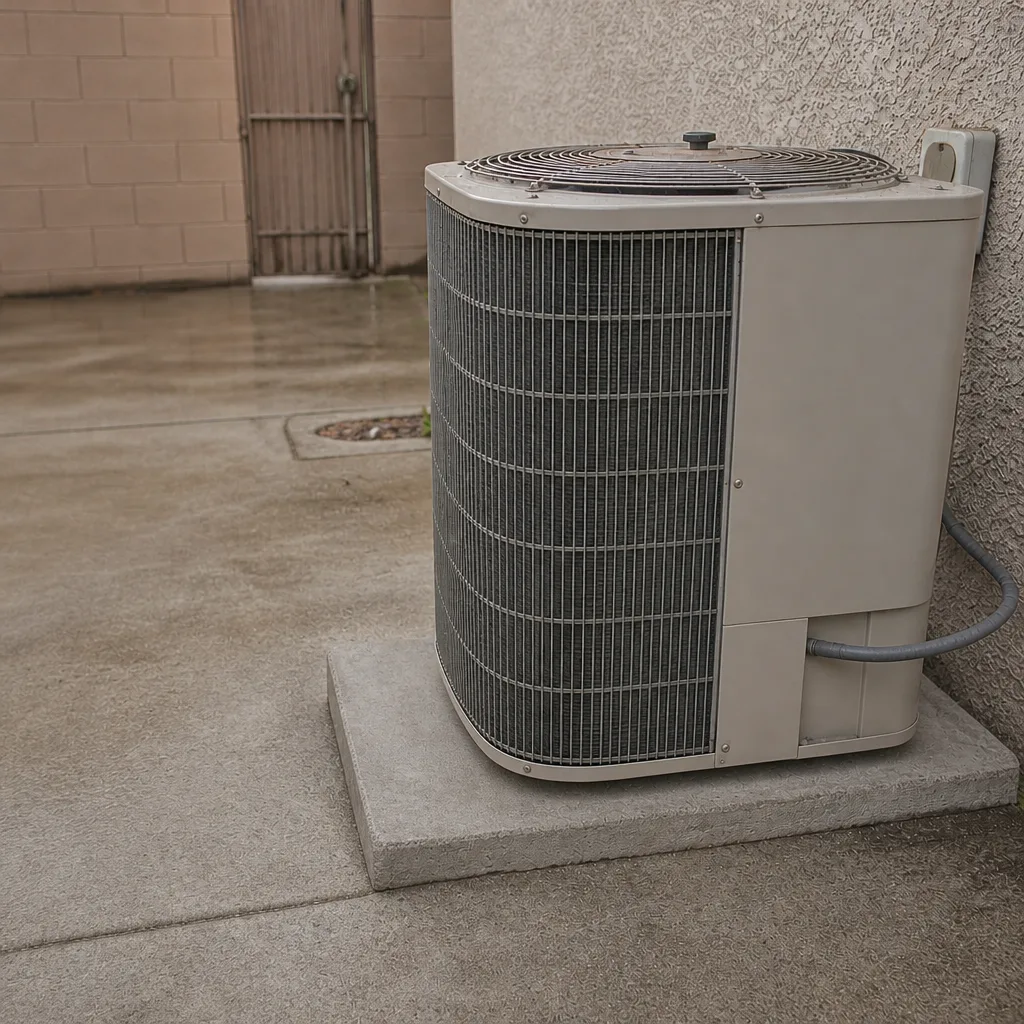 After
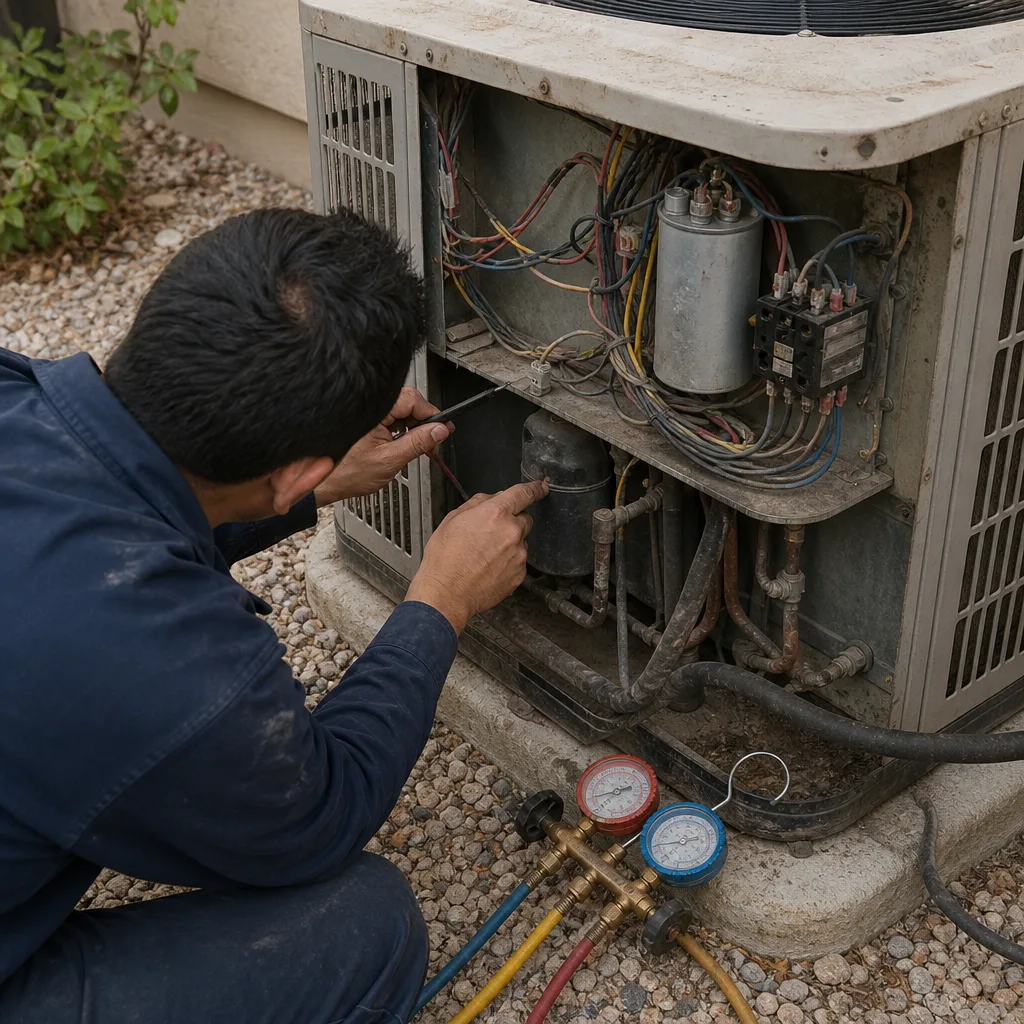 Before
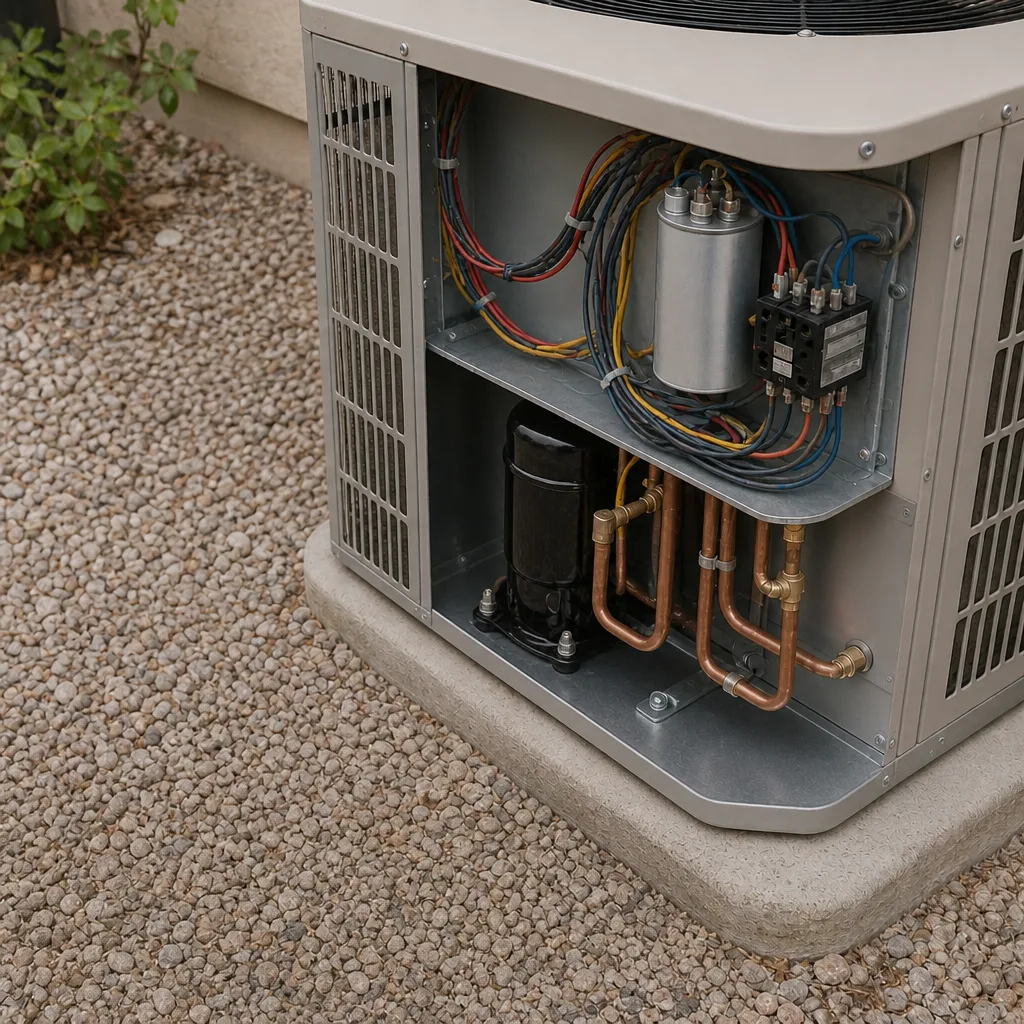 After
When to Call a Professional
Some signs call for a technician today. Call now if you notice any of these: ice on refrigerant lines when it’s hot outside, short-cycling under load, warm air from every vent with the system running, burning smells, tripped breakers at the panel, or a sudden spike in indoor humidity. All of these can turn into a compressor failure or an electrical safety issue within days in Mesquite’s summer heat. For electrical or high-voltage issues around the disconnect, shut the system off at the breaker and use a licensed professional – don’t attempt any inspection or repair yourself inside the electrical panels. For slow-burn signs like bill creep, single weak vents, or a rattle you’ve heard for a season, schedule a routine visit and let a technician give you an honest read. AC Replacement Mesquite offers free estimates in Mesquite – call (866) 764-5851.
Frequently Asked Questions
Look for ice on the refrigerant lines when it’s over 100°F outside, warm air from vents while the system runs constantly, or higher-than-normal indoor humidity during peak summer. In Mesquite, refrigerant leaks escalate quickly because the system runs at maximum load for hours at a time. Call for a proper leak search rather than a recharge – a technician who wants to add refrigerant without finding the leak is patching, not repairing. Call (866) 764-5851 for an exact quote – estimates are free.
Ice on outdoor lines during extreme heat means the system is not cooling the refrigerant properly, usually because of low refrigerant charge or restricted airflow across the indoor coil. This is a Tier 1 warning sign in Mesquite – it will not resolve on its own, and running the system this way wears the compressor every hour. Call the same day.
Short-cycling means the system is starting and stopping every few minutes instead of running in long cycles. In Mesquite’s heat, this is one of the fastest ways to destroy a compressor because each startup draws a surge of current while the system is already under maximum load. Treat it as a same-day call. Calling today is much cheaper than replacing a failed compressor in August.
No. Refrigerant handling requires a licensed technician with the equipment to measure pressures and locate leaks. Beyond the legal and safety aspects, adding refrigerant without finding the leak just delays the failure and can make the problem worse. This is not DIY territory. Call for a proper diagnosis – estimates are free.
Equipment failure, usually. Duct leaks waste energy and worsen over a season, but they rarely destroy equipment overnight. Equipment issues like short-cycling, ice on lines, or warm air at every vent can fail within days in Mesquite’s heat. The one exception is when duct leaks pull in enough outside humidity to strain the equipment – that combination moves the duct problem up to Tier 2.
It depends on what the signs are and how the system responds to a proper diagnosis. One or two Tier 2 signs that respond to repair usually point to repair. A cluster of symptoms – rising bills, recurring refrigerant leaks, humidity creeping up, additional repairs each season – usually points to replacement, especially if the system has been repaired multiple times. Call us for a free estimate and an honest read; we’ll tell you which one the numbers point toward.
Rebate programs change, and any technician who quotes a specific rebate without checking the current program is guessing. Ask about available programs during your estimate, and expect to see documentation of what’s actually available rather than a verbal number. We’ll walk you through what applies to your installation.
The Bottom Line
Warning signs don’t all resolve on the same clock, and in Mesquite’s summer, that clock runs faster than most lists acknowledge. Tier 1 signs – ice on lines during heat, short-cycling, warm air everywhere, sudden humidity spikes – need a call today. Tier 2 signs like new noises under load or multi-vent airflow problems need a call this week. Tier 3 signs like a single weak vent or a light rattle can wait for your next maintenance visit. The one sign homeowners skip too often is humidity, and it’s usually the earliest readable warning before something worse. Watch it, act on what escalates, and you’ll keep your system running through the season you actually live in. When you see something on this list that concerns you in Mesquite, we’re ready to take a look at it.
If you’re seeing signs from this guide in your home, don’t wait for them to escalate. Call (866) 764-5851 for a free estimate. We answer 24/7. Fast dispatch from 7am to 7pm, Sunday through Friday. One call covers the full lifecycle of your system – repair today, Mesquite replacement when it’s time, and maintenance to keep it going between the two. Nine brands, three services, one specialist.
Written by the team at AC Replacement Mesquite.