
Last updated November 17, 2026
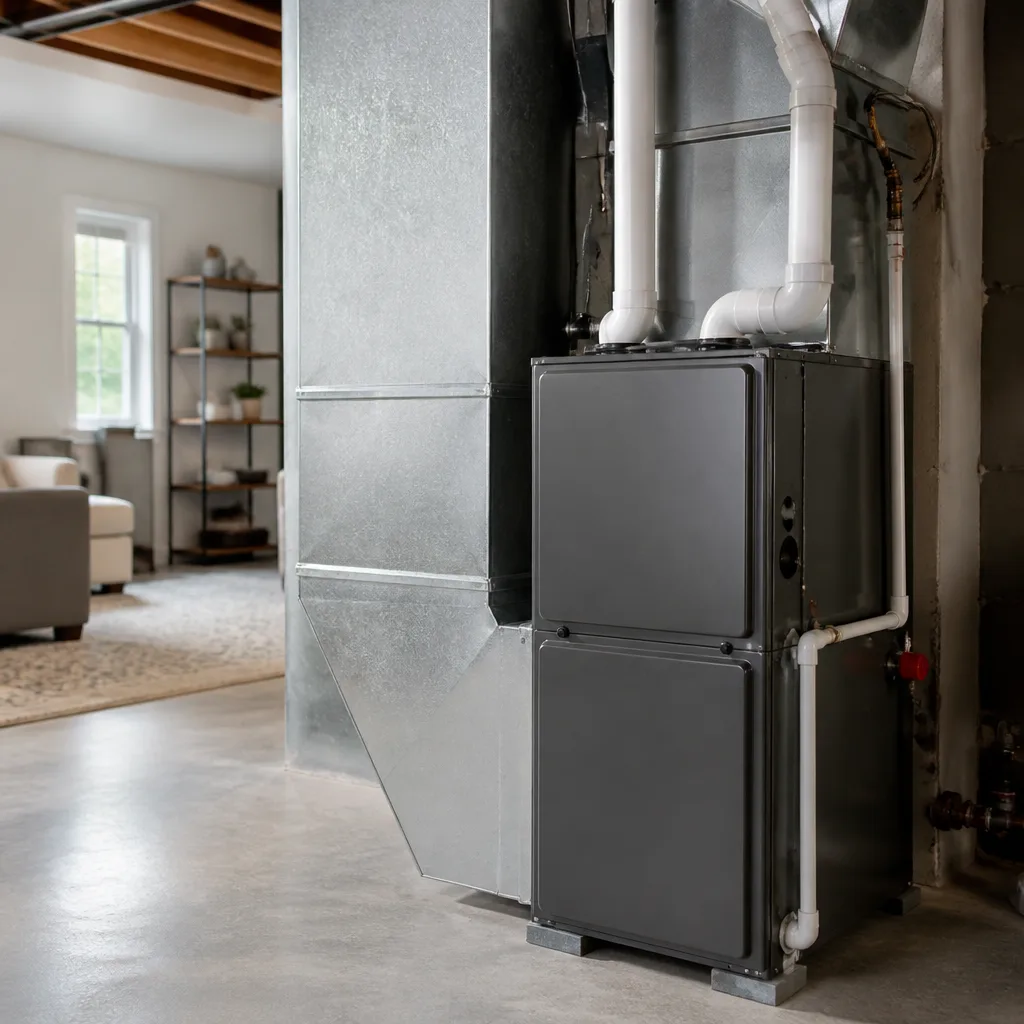 Furnace & heating
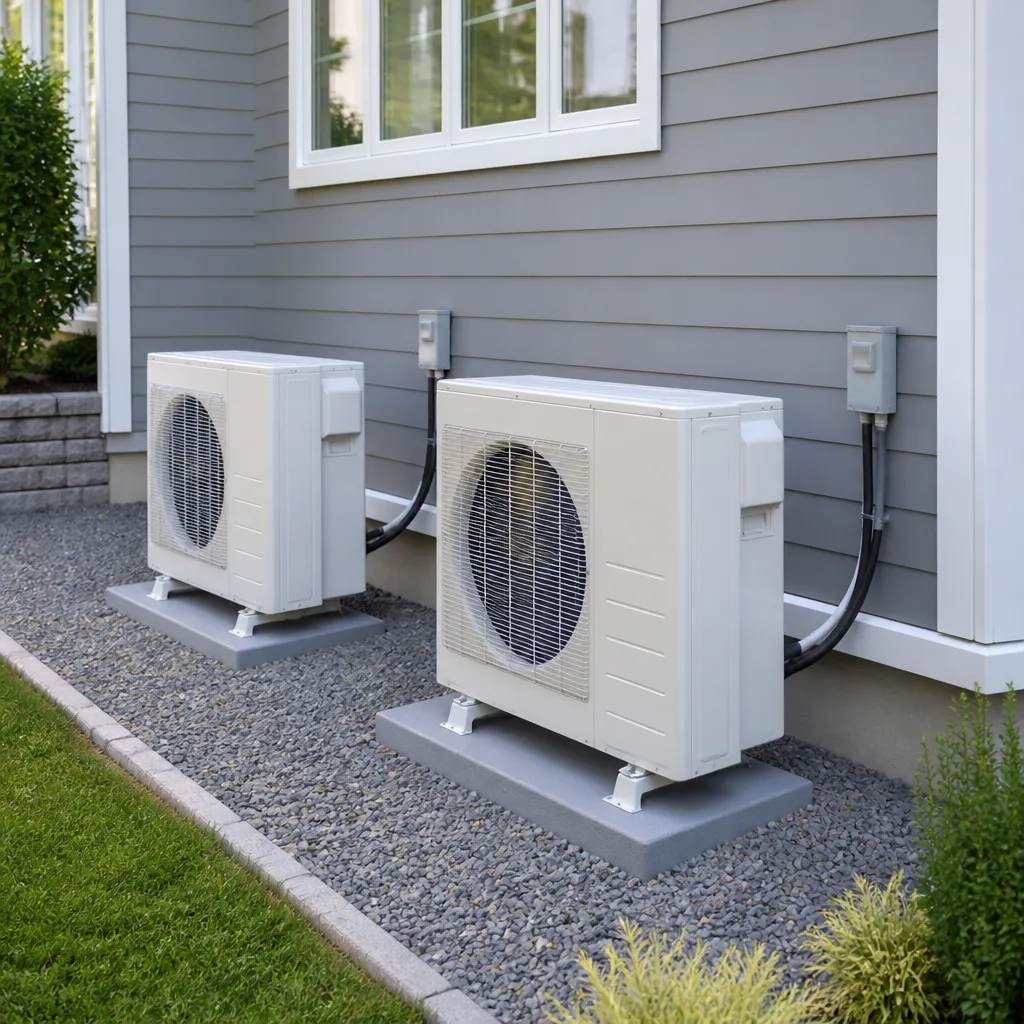 Heat pumps
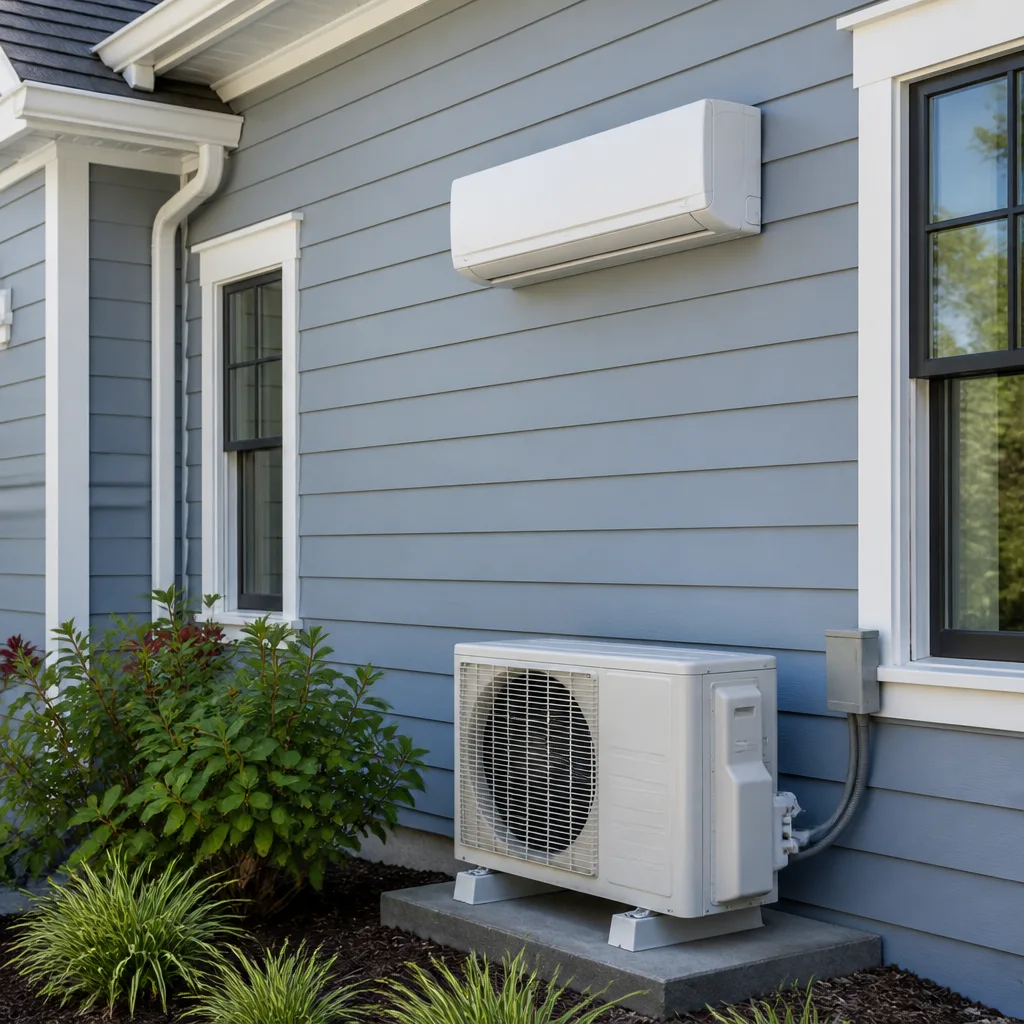 Ductless mini splits
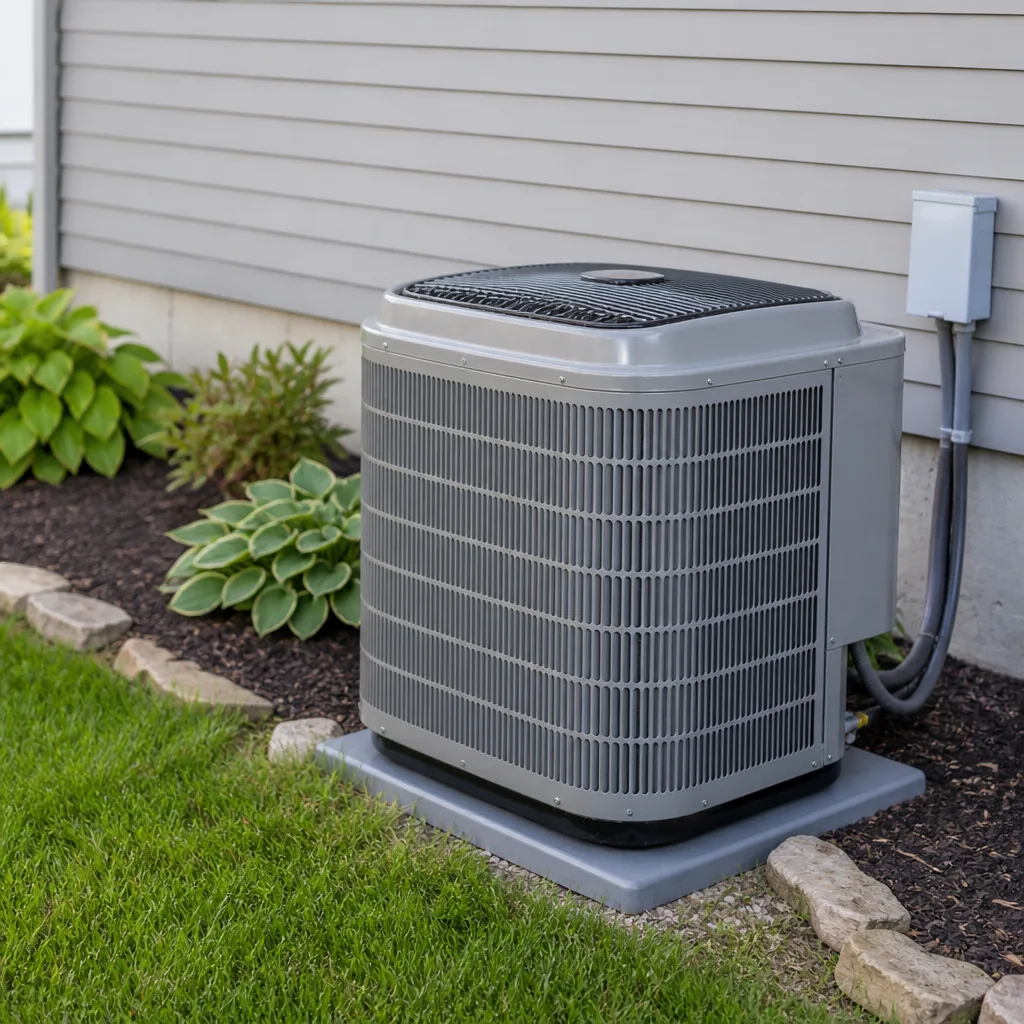 Carrier
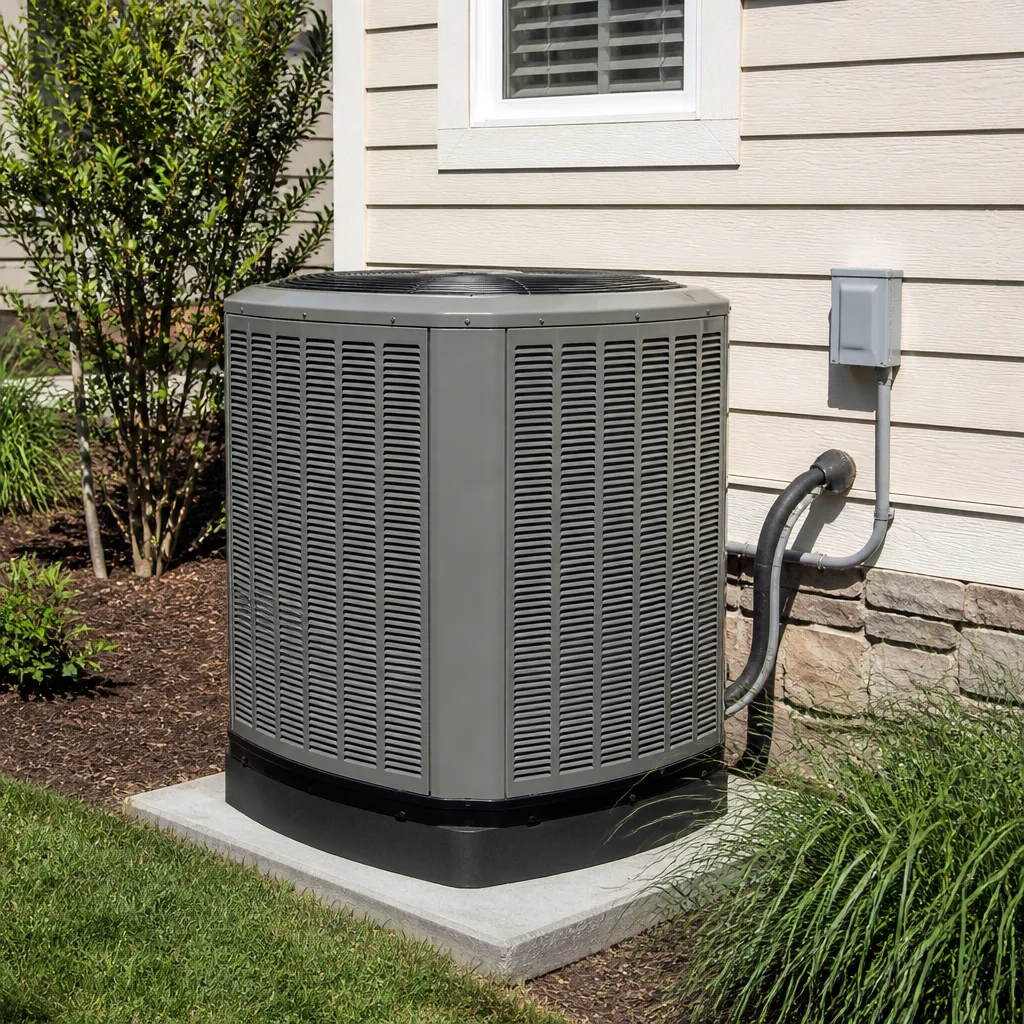 Trane
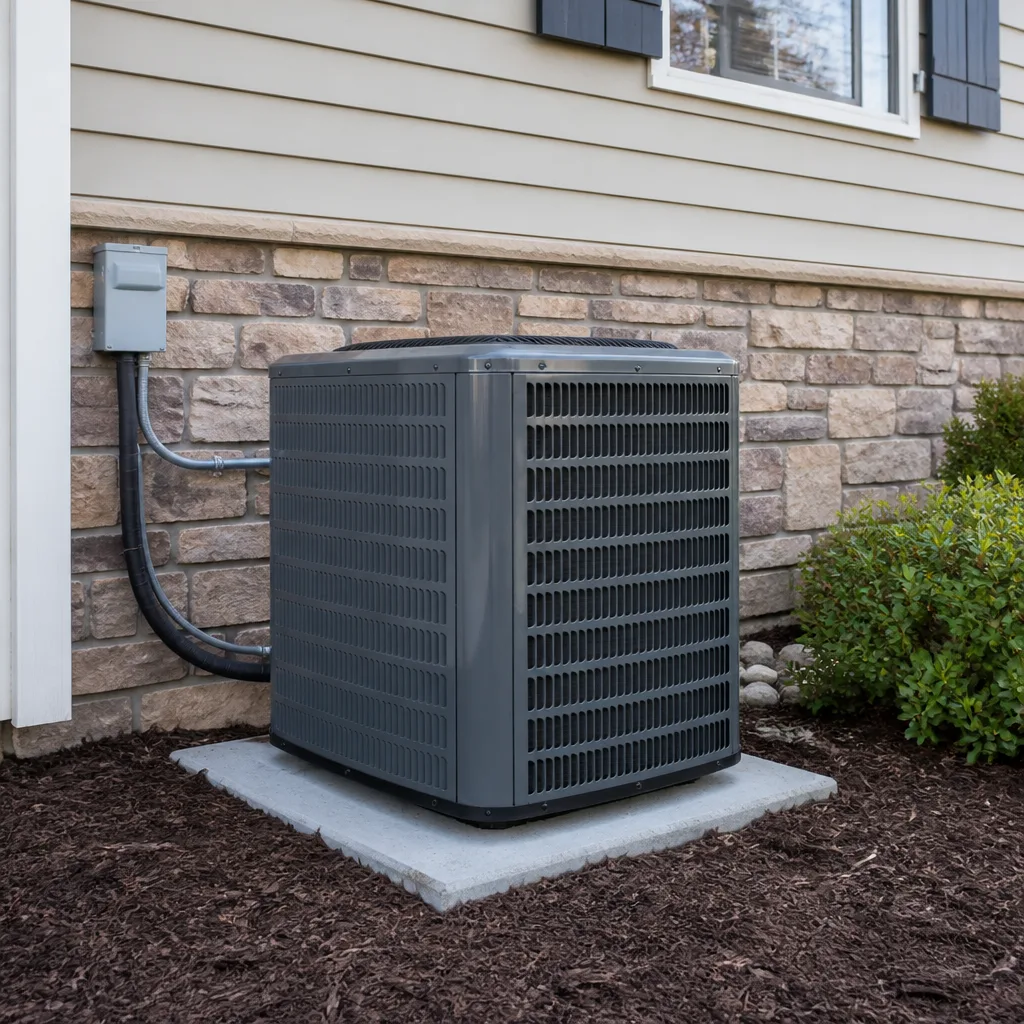 Goodman
Seasonal tune-up and full diagnostic on your Carrier, Trane, or Goodman system - readings shown to you before any repair is proposed
Diagnosis first, numbers second - you approve the repair price before a single part goes in.
Get your free estimateHVAC Permits, Codes & Inspections in Mesquite, NV: What You Need to Know
Most homeowners assume a permit is paperwork for the contractor, not them. That assumption is where trouble starts. In Nevada, the person holding the responsibility for unpermitted work on a house is usually the person who owns the house, and the bill for that comes due when you least expect it, like a buyer’s inspection or an insurance adjuster’s review. We’ve walked into enough Mesquite garages to know that HVAC work gets skipped on permits more often than anyone wants to admit, and it’s rarely because the homeowner knew to ask. This guide shows you exactly which jobs in Mesquite trigger a Clark County permit, who pulls it, what an inspector looks at, and how an unpermitted install follows you into the next chapter. Read it before you sign anything.
Quick Answer
In Mesquite, any AC replacement, new system installation, or ductwork modification requires a permit from Clark County before work starts; simple like-for-like repairs, filter changes, and refrigerant service do not. The licensed contractor should pull the permit, and you should ask to see the number before any equipment comes off the wall. The permit fee is modest compared to the cost of discovering unpermitted work during a home sale or insurance claim.
Styles & brands we work with
- AC installation
- Furnace & heating
- Heat pumps
- Ductless mini splits
- Carrier
- Trane
- Goodman
Table of Contents
- Which HVAC jobs require a permit in Mesquite?
- Who pulls the permit: the contractor or the homeowner?
- What inspectors actually check during an HVAC inspection
- How unpermitted work affects insurance claims and home sales
- The timeline and cost of a permit in Clark County
- How Mesquite’s desert climate shapes code questions
- How to verify your contractor isn’t skipping the permit
Which HVAC Jobs Require a Permit in Mesquite?
Replacement, new installation, and any change to ductwork all require a permit in Mesquite. Repairs that keep the existing equipment and layout in place generally do not. The distinction is simple on paper and blurry in practice, because some contractors will frame a replacement as a “repair” to avoid the paperwork. Ask this question directly: “Will you be pulling a permit for this?” If the answer is anything other than a straightforward yes or no tied to the scope, ask them to break the scope down.
Here’s how it typically sorts out in Clark County:
Jobs that require a permit
- Full AC or heat pump replacement, even when the new unit is the same brand and capacity as the old one.
- New system installation in a home without AC, or in an add-on or converted space.
- Ductwork modification, including adding runs, relocating vents, resizing trunk lines, or sealing that changes the system’s configuration.
- Electrical connections for a new condenser or air handler, since the disconnect and wiring are part of the mechanical permit scope.
- Refrigerant line replacement when the new system uses a different refrigerant type than the old one, which is common in older Mesquite homes moving from R-22 to a modern refrigerant.
Jobs that usually do not require a permit
- Like-for-like repairs, such as replacing a failed capacitor, contactor, blower motor, or fan motor on the same unit.
- Filter changes and routine coil cleaning.
- Refrigerant recharge or leak repair on the existing system.
- Thermostat replacement when no wiring changes are needed, though electrical code may still apply if new low-voltage wire is added.
- Diagnostic work to identify why a system is failing.
Where it gets tricky is the in-between: a repair that ends up requiring a coil replacement, or a refrigerant line that must be rerouted. That’s where a contractor’s permit habits show. A shop that never pulls permits has to call everything a repair. If you’re already facing a replacement decision, our AC replacement in Mesquite guide covers the decision itself; this page is about the paperwork and inspection that comes after.
Who Pulls the Permit: The Contractor or the Homeowner?
The licensed contractor should pull the permit in almost every residential scenario. When the contractor pulls it, the permit lists their name and license number, the inspection passes under their responsibility, and the liability for code compliance sits with them. When the homeowner pulls it, the homeowner becomes the responsible party in the eyes of the permitting authority, and that’s a heavy position to be in if something goes wrong later.
Here’s why the contractor should be the one:
- Liability shifts to the licensed party. If the install fails inspection or an electrical fault causes damage, the contractor’s license and insurance are on the line, not yours.
- Warranty protection. Most manufacturers, including Lennox, Goodman, and Rheem, tie their equipment warranty to proper installation, and an unpermitted install can give a manufacturer a reason to deny a claim.
- Inspection scheduling. A contractor pulling permits regularly has the Clark County inspection scheduling process down and knows what inspectors look for.
- Clean paper trail at resale. The permit record tied to a licensed contractor is what a buyer’s agent will look for.
Homeowner-pulled permits do exist for owner-builder work, and some jurisdictions allow a homeowner to pull a permit on their own residence. But an owner-builder permit for HVAC usually requires that the homeowner is actually performing the work, and that’s rarely true. If a contractor asks you to pull the permit in your name while they do the install, ask them to explain in writing why. In our experience, that request is a red flag worth pushing back on.
If you’ve already hired someone and you’re not sure whether the permit was pulled, you can check with Clark County’s building department using your address. It takes a few minutes, and it tells you where you stand before the job is finished.
What Inspectors Actually Check During an HVAC Inspection
A Nevada HVAC inspection is a real inspection, not a formality. Inspectors look at clearances, electrical connections, refrigerant charge, and duct sealing, and they can fail a job on any of those points. Knowing what’s on the checklist helps you confirm your contractor did the work right, and it explains why a fast, cheap install is often the one that fails.
Clearances
The condenser needs proper clearance from the house wall, from fences, and from any structure that blocks airflow. In Mesquite, where summer heat pushes equipment hard, a condenser crammed into a tight side yard with a block wall two feet away is a problem. Inspectors measure. Contractors who skip the permit tend to skip the clearance check too.
Electrical connections
The disconnect, the whip, the breaker sizing, and the grounding all fall under inspection. An undersized breaker or a missing disconnect is a common reason for a failed inspection, and it’s also a genuine fire safety concern. This is why we never advise a homeowner to handle electrical connections on an HVAC install themselves. If a panel or circuit needs work, that’s a licensed electrician’s job coordinated with the mechanical permit, and it needs to be done by someone trained for it.
Refrigerant charge and line set
Inspectors verify that the refrigerant charge matches the manufacturer’s specification and that the line set is properly sized, insulated, and secured. A system charged by “feel” or by pressure alone often fails this check. We use manufacturer charge charts on every install because it’s the standard inspectors hold us to.
Duct sealing and airflow
Ductwork is where a lot of unpermitted work goes wrong. Inspectors look at sealing at joints and boots, proper support, and whether the duct design matches the system’s rated airflow. Leaky ducts in a Mesquite attic can push a system to work harder than it should, and that’s precisely the kind of problem that surfaces as a premature compressor failure a few summers later.
Condensate management
Drain lines, overflow protection, and termination points are checked. A condensate line that dumps into a wall cavity or fails to drain properly is a slow water damage problem, and inspectors flag it.
How Unpermitted Work Affects Insurance Claims and Home Sales
This is where an unpermitted HVAC install stops being an administrative nuisance and becomes a real risk. Most homeowners’ policies exclude damage caused by faulty workmanship performed without required permits, and insurers have a legal right to deny a claim tied to unpermitted work. The coverage question isn’t whether the installer made a mistake; it’s whether the work was permitted and inspected under a licensed contractor.
The scenarios we hear about most:
- Fire or electrical damage. If an unpermitted install leads to an electrical fire, the insurer can investigate the permit record. If there isn’t one, they can deny the claim on grounds of unpermitted work.
- Water damage from a condensate line. If the install didn’t follow inspection standards and the drain fails, that claim can be denied too.
- Home sale. Nevada sellers are required to disclose known material defects, and unpermitted HVAC work is a disclosure item. A buyer’s inspector who notices a permit gap can walk away from the deal or demand a price reduction to cover retroactive permitting.
- Retroactive permitting. Some unpermitted work can be brought into compliance after the fact through a retroactive permit and inspection. But the process can require opening walls, exposing ductwork, or correcting failed items, and those costs land on the homeowner, not the original installer.
- Warranty denial. A manufacturer’s warranty, including on Lennox, York, or Goodman equipment, can be voided if the installation doesn’t meet the manufacturer’s published standards, and inspectors often check exactly those standards.
None of this is meant to scare you off a repair. It’s the reason we treat permits as part of the job, not an upgrade. If a contractor tells you a permit is unnecessary, ask them to explain in writing why the scope falls outside the requirement. Get the answer before the job starts.
The Timeline and Cost of Pulling a Permit in Clark County
A residential HVAC permit in Clark County is not a long process. Most residential mechanical permits are reviewed quickly, often within a few business days, with the inspection scheduled after the work is complete and the permit is closed out. A straightforward AC replacement typically moves through the process without delays beyond the scheduling window.
Here’s what the flow usually looks like:
- Contractor submits the permit application with the scope, equipment specs, and contractor license information.
- Clark County reviews the application. Straightforward residential replacements are typically approved without a plan review backlog.
- Permit is issued and posted at the job site before work begins.
- Work is completed to the permit scope.
- Final inspection is scheduled and passes, closing the permit.
Permit fees are set by Clark County and vary by scope and valuation. We won’t quote a specific dollar figure here because the fee schedule changes and the fee depends on the job, but you should expect the permit cost to be modest compared to the cost of the equipment and installation. A contractor who shows you a quote without a permit line item is either planning to skip the permit or planning to fold the fee in silently. Ask which one.
Some contractors use an unpermitted approach to cut their price. In our experience, those quotes look cheaper on paper and cost more in the long run when the work has to be redone or retroactively permitted. If you’re comparing quotes, ask each contractor whether they pull the permit and what it’s listed as on the quote.
How Mesquite’s Desert Climate Shapes Code Questions
Mesquite’s climate puts AC systems through a specific kind of pressure. Long summers, intense sun, and monsoon-season humidity swings mean equipment runs hard for months and benefits from being installed exactly to spec. That’s not a marketing line; it’s the reason the local inspection standards matter more than the paperwork suggests.
Heat gain and equipment sizing
A properly permitted install requires the equipment to be sized correctly for the home’s load. A contractor who skips the permit tends to skip the load calculation too, which means the system ends up oversized or undersized. In Mesquite, an oversized system cycles too often and struggles to pull humidity out during the summer monsoon months, and an undersized one never keeps up in July and August. Manual J load calculations are part of a compliant install, full stop.
Attic and ductwork conditions
Mesquite attics are hot. Ductwork that isn’t properly sealed and insulated loses a meaningful share of the cool air before it reaches a room. That’s a permitted inspection item, and it’s also why duct sealing is one of the most common retrofit items we recommend on older Mesquite homes. A permitted installation ensures the ducts are sealed to standard, which pays you back every summer.
Clearance around outdoor units
In a desert climate, the condenser runs through extreme heat cycles. Inspected clearances and proper airflow around the unit matter more here than in a mild-summer climate. A condenser that’s boxed in by a wall, hedge, or storage shed is going to run hot and fail early, and inspectors flag it.
Refrigerant transitions
Older Mesquite homes still using R-22 equipment face a refrigerant transition when they replace the system, which triggers a full permit and inspection. There’s no short way through that, and no fix that skips the inspection. We’ve helped homeowners work through the upgrade path, and the honest version always starts with a permit.
How to Verify Your Contractor Isn’t Skipping the Permit
Verifying the permit is a five-minute exercise, and you can do it before work starts. The most direct path is to ask for the permit number in writing once the contractor submits the application, then confirm it with Clark County’s building department. If you’d rather not chase it down, you can confirm the contractor’s license through the Nevada State Contractors Board, which also tells you whether their license is active and in good standing.
Here’s the checklist we’d suggest using before any AC replacement or install in Mesquite:
- Ask for the permit number in writing before the equipment arrives.
- Confirm the permit is posted at the job site on day one of the install.
- Check the Nevada State Contractors Board for license status, and confirm the license number on the permit matches the contractor.
- Ask about the final inspection and who schedules it.
- Request a copy of the passed inspection for your records when the job closes.
- Ask whether the permit is on the quote as a line item. If it isn’t, ask why.
There’s nothing aggressive about any of this. A licensed contractor expects these questions and answers them without hesitation. If the responses feel defensive, that’s information. It’s the kind of thing we’re comfortable with because permits are part of every AC installation we handle.
For homeowners who suspect an existing system was installed without a permit, there’s a similar check. Look up the address with Clark County’s building department and see whether a mechanical permit exists for the equipment. If not, a retroactive permit is often possible, though the process is easier to start before you list the house.
Common Mistakes to Avoid
- Accepting a verbal “we’ll handle the permit” promise. Verbal promises have a way of evaporating when the inspector calls. Ask for the permit number in writing, then confirm it’s actually filed with Clark County.
- Letting the contractor list the install as a repair to skip the permit. A full system replacement is not a repair, even if the new unit is the same size and brand. If the quote describes it as a repair, ask to see the scope in writing.
- Pulling the permit in your own name. You become the responsible party for code compliance if the install fails, and the contractor’s warranty and license no longer cover the work. The licensed contractor should be on the permit.
- Choosing the lowest quote without checking whether the permit is included. Two quotes can look worlds apart on paper when one line item is the permit. Compare like-for-like before you decide.
- Ignoring a permit gap during a home sale. Buyers’ inspectors look for permit records, and a missing HVAC permit is enough to reopen a negotiation or cancel a deal. Check before you list, not after.
- Assuming insurance will cover it. Insurers can deny claims tied to unpermitted work. That’s not a scare tactic, it’s how most homeowner policies are written.
- Hiring for a permitted replacement without confirming the equipment warranty ties to a proper install. Most brands, including Lennox, Rheem, and Goodman, require installation to published standards, and inspectors enforce those standards during the final inspection. A cheap install that voids the warranty is expensive all over again.
See the difference
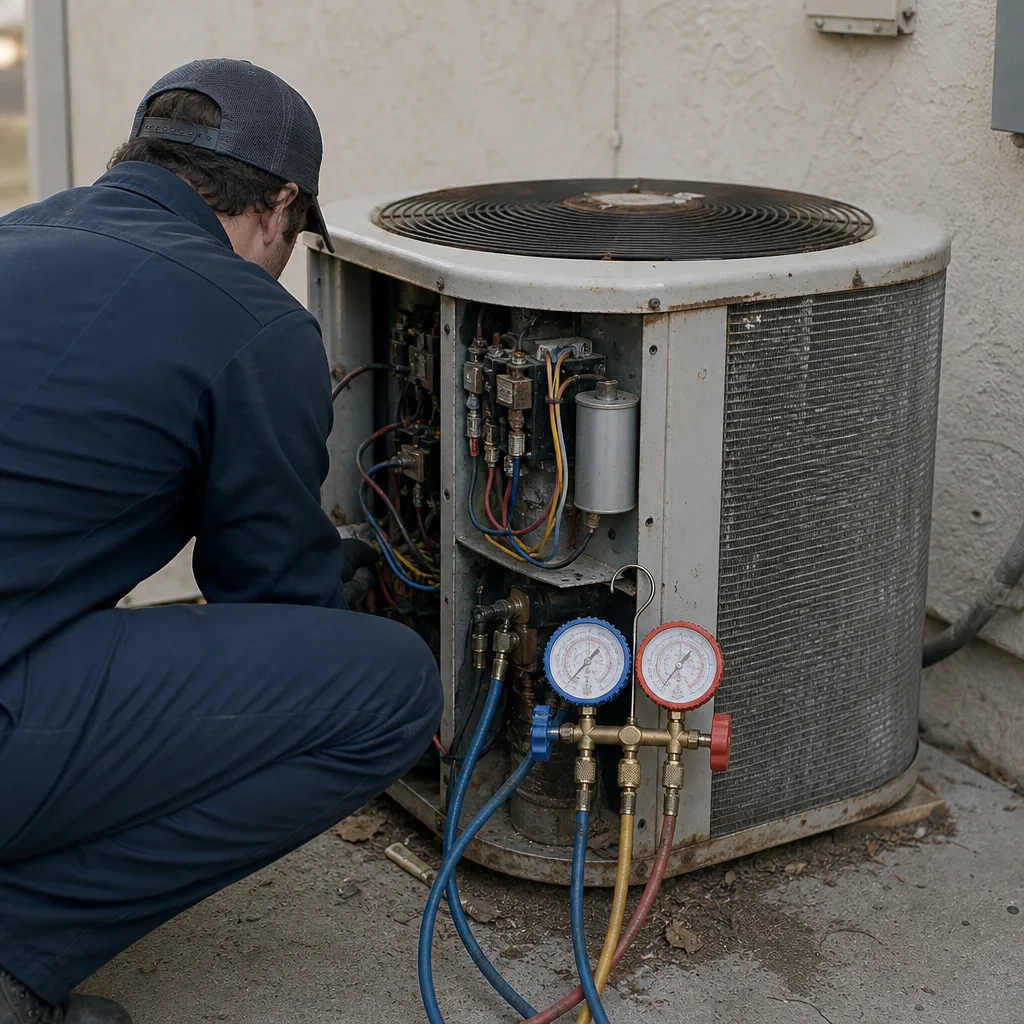 Before
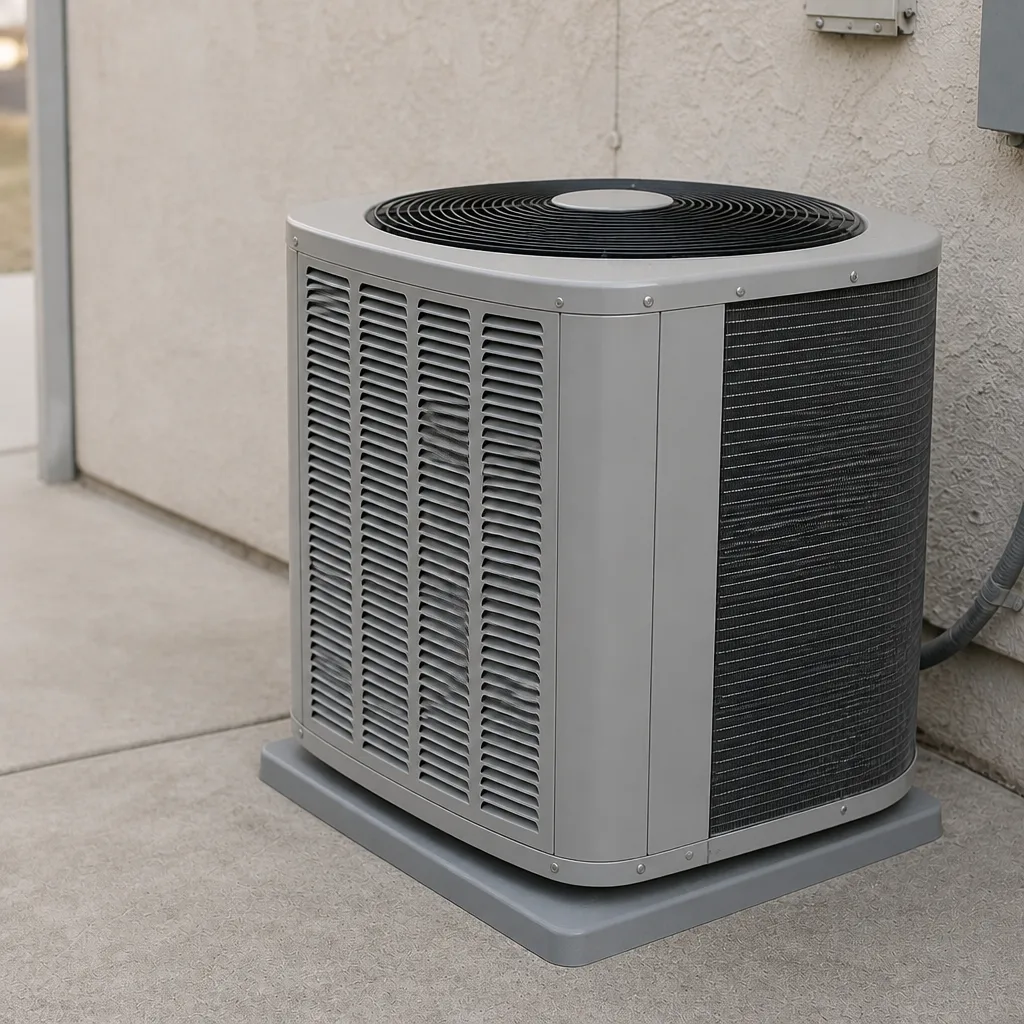 After
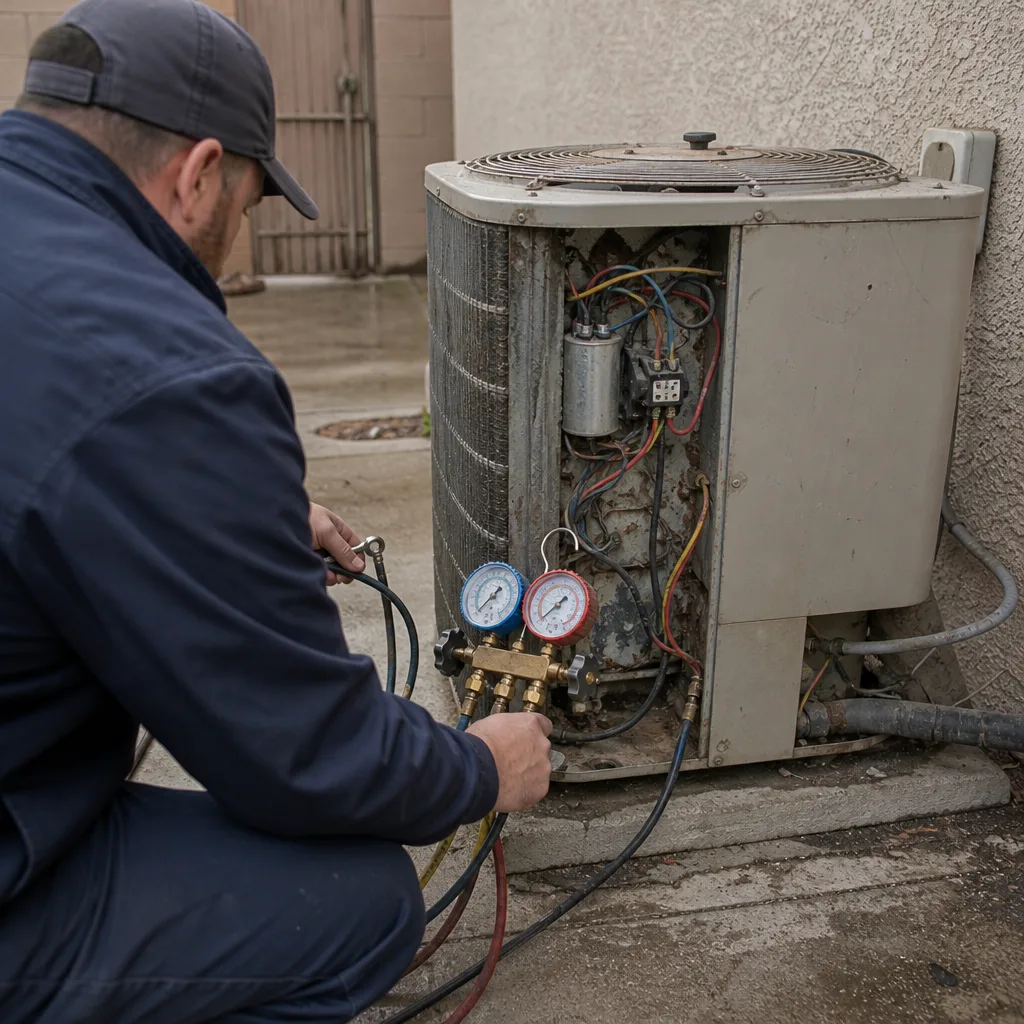 Before
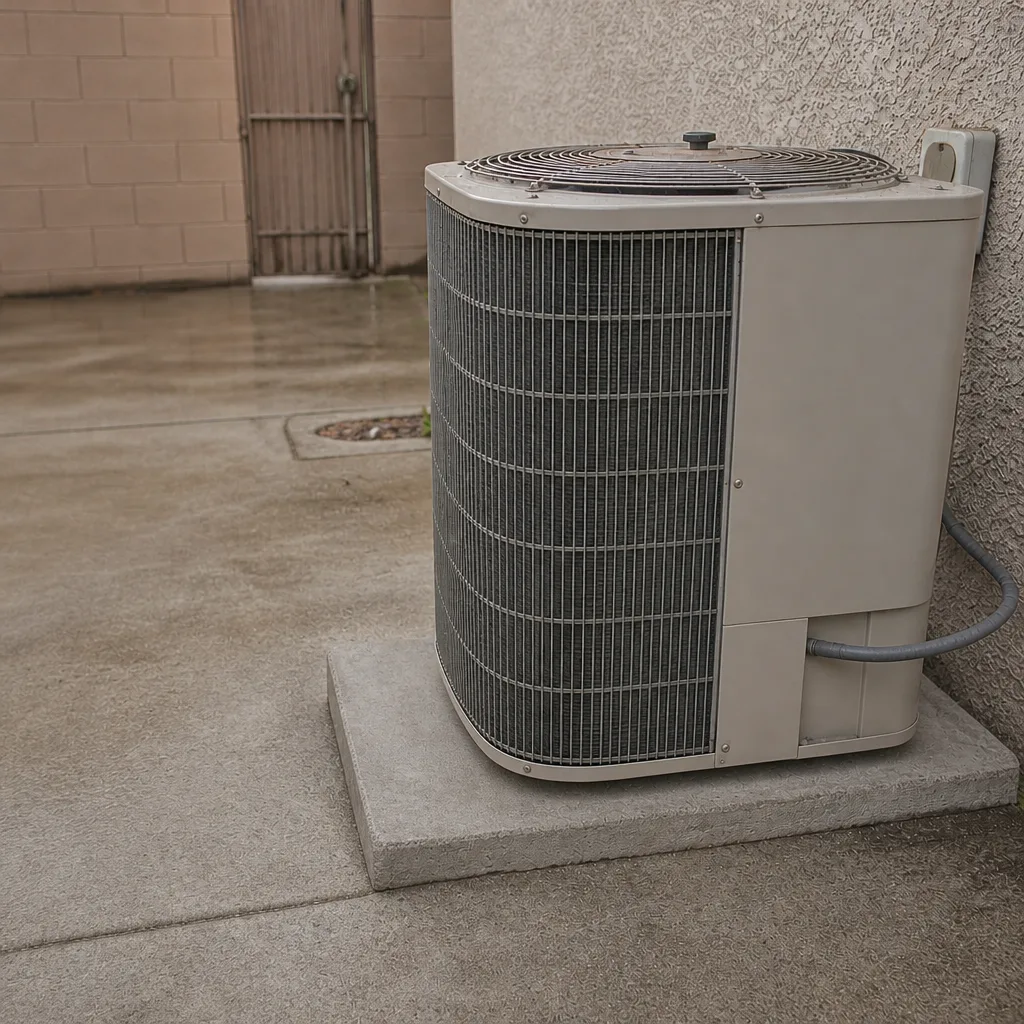 After
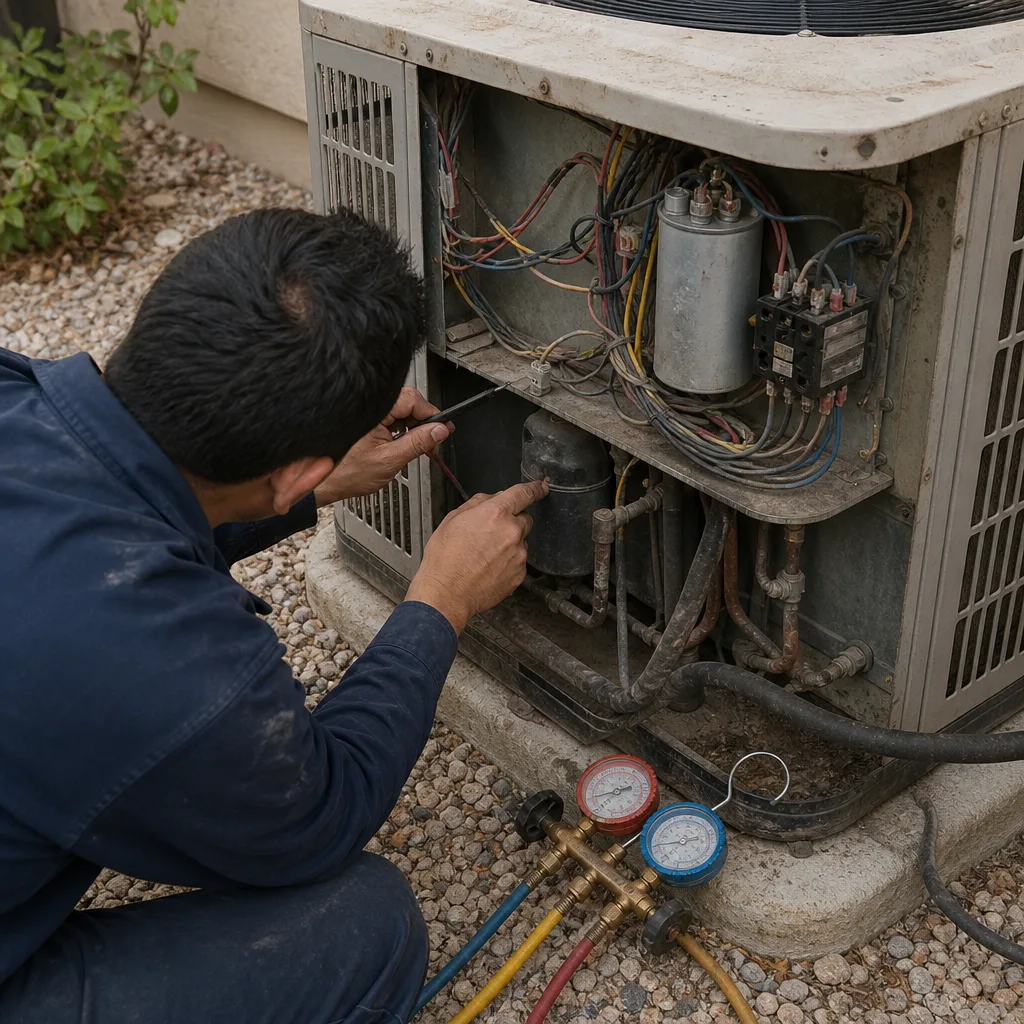 Before
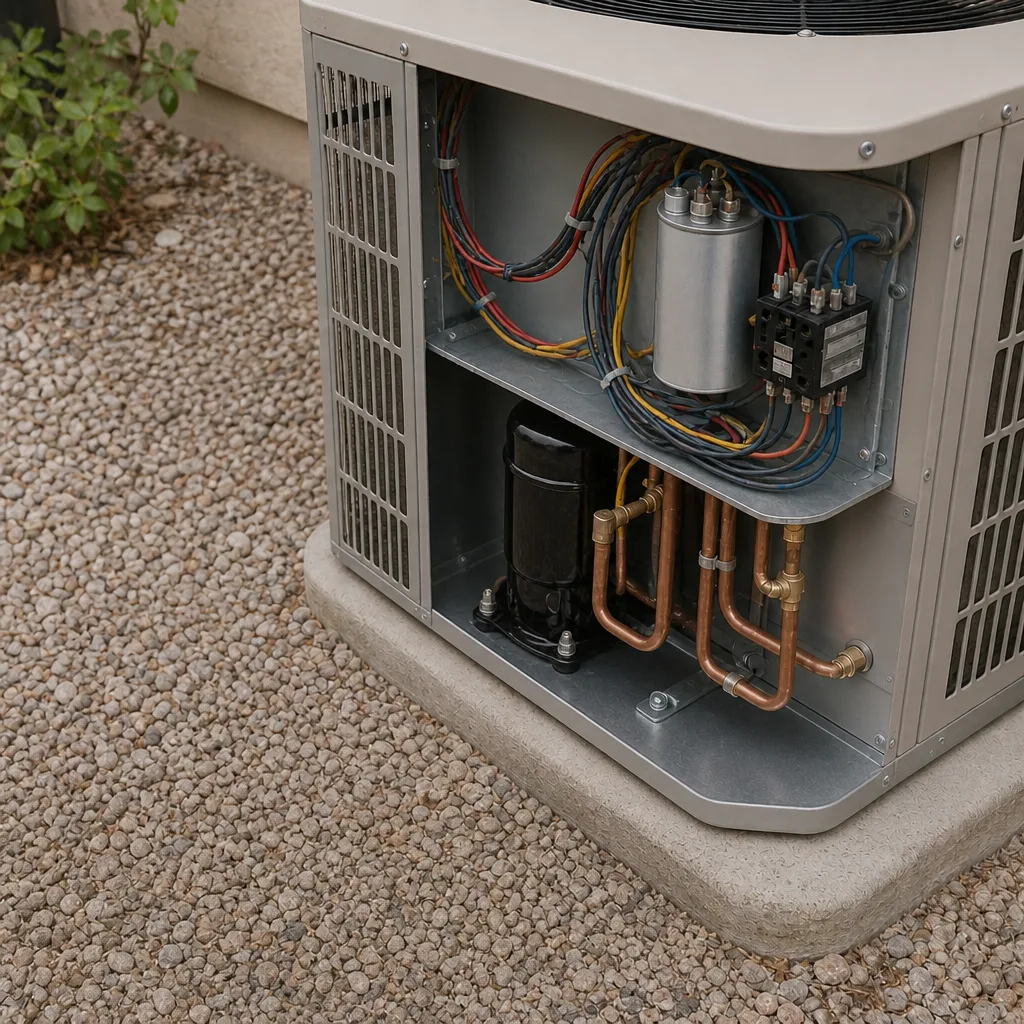 After
When to Call a Professional
Call a professional the moment you’re facing a replacement, an unfamiliar system, a permit question on an existing install, or a quote that looks too clean to include one. Permits, load calculations, refrigerant work, and electrical connections on an AC system are not homeowner projects, and they carry real risks if handled without training. If a system has failed and you’re unsure whether it needs repair or replacement, an honest assessment saves you money and points you toward the right permit scope. If you’re getting ready to list a home in Mesquite or you’ve bought one with no permit record, getting an expert eye on the equipment now is faster than handling it during escrow. AC Replacement Mesquite offers free estimates in Mesquite, and we’ll tell you what the job actually requires, permit included. Call (866) 764-5851. We answer 24/7. Fast dispatch from 7am to 7pm, Sunday through Friday.
Our technicians have up to 10 years of experience, and we work on nearly every major brand, including Carrier, Trane, Lennox, Goodman, Rheem, York, Daikin, Bryant, and American Standard. That matters for permit work in a specific way: inspectors check equipment against the manufacturer’s published installation requirements, and we know those requirements across the equipment you’re most likely to have in a Mesquite home.
Frequently Asked Questions
Yes. AC replacement requires a permit from Clark County, and the licensed contractor should pull it before any equipment comes off the wall. Same-brand, same-size swaps are still replacements, so ask for the permit number in writing. Call (866) 764-5851 for a free estimate on a permitted install.
Legally, the responsibility most often falls on the homeowner, since the property is what the county regulates. That’s why you should confirm the permit before work starts, not after. If you’re unsure, call us at (866) 764-5851 and we’ll walk you through what to check.
An inspector checks clearances around the outdoor unit, electrical disconnect and breaker sizing, refrigerant charge against the manufacturer’s chart, duct sealing and support, and condensate drainage. A failed item is corrected and reinspected before the permit closes. Call (866) 764-5851 if you want a free estimate on work that includes the permit and inspection.
Yes. Most homeowner policies exclude damage caused by unpermitted or faulty work, and insurers have the legal right to deny a claim tied to it. A fire or water damage claim traced back to an unpermitted install can be denied. Call (866) 764-5851 to talk through what a permitted install involves.
Permit fees are set by Clark County and vary with the scope and valuation of the job, so there’s no single figure to quote. Expect the permit to be a small fraction of the total install cost. Ask your contractor to list the permit as a line item on the quote, and call (866) 764-5851 for a written estimate on a permitted install.
A repair keeps the existing equipment in place and fixes a failed component; a replacement swaps the entire unit and usually triggers a permit regardless of size or brand. Ductwork changes and electrical work for a new unit are part of a permitted replacement. If a quote describes a full swap as a “repair,” push back. Call (866) 764-5851 for clarification.
The Bottom Line
Permits on HVAC work aren’t paperwork for paperwork’s sake. They put the licensed contractor on record, they trigger an inspection that verifies clearances, electrical safety, refrigerant charge, and duct sealing, and they protect you when an insurance claim or home sale forces the question. In Mesquite, where heat and monsoon humidity put real demands on equipment, installation quality is measurable, and the inspection is how it gets measured. Ask for the permit number, confirm it with Clark County, and hire someone who expects the question. That’s how you keep a system legitimate through the full AC lifecycle, from first repair to eventual replacement.
If you’re not sure where your current install stands, or you’re ready for a permitted replacement, our AC repair team can take a look, and our Mesquite page has more on how we work locally. From routine tune-ups to full system installations, one call covers it. AC is all we do, so we do it right.
Call (866) 764-5851 for a free estimate. We answer 24/7. Fast dispatch from 7am to 7pm, Sunday through Friday. Whether you need a repair today or a full replacement, we give you an honest assessment first, permit included.
Written by the team at AC Replacement Mesquite.